



No More Classes: BPJS Considers Premium Hike with Standard Inpatient Class Rollout
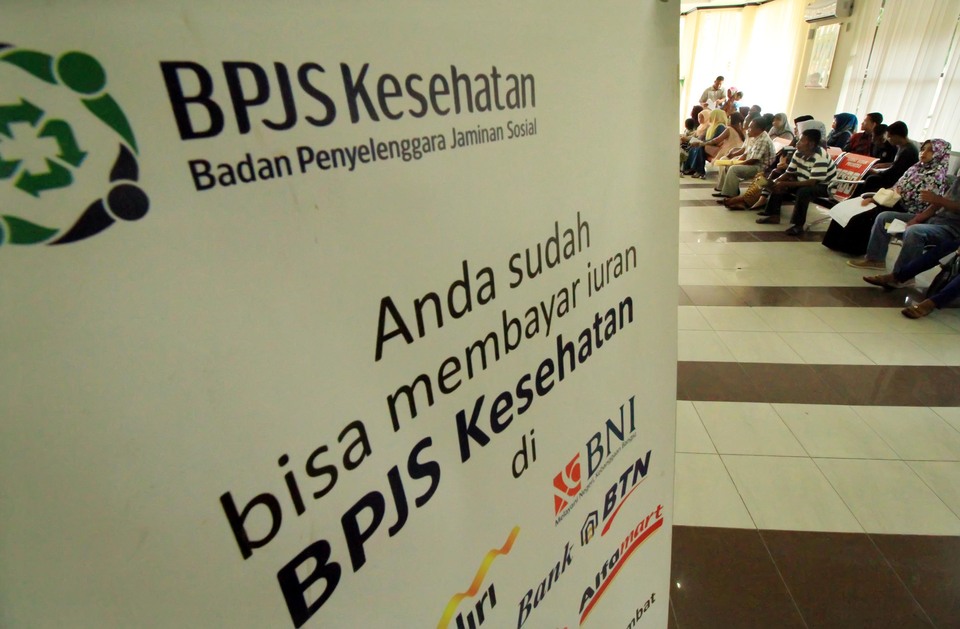
Jakarta. The CEO of BPJS Kesehatan, Ali Ghufron Mukti, has indicated the possibility of raising participant premiums for the national health insurance scheme. This move comes as BPJS plans to introduce the Standard Inpatient Class (KRIS) starting June 30, 2025.
Under the new KRIS scheme, inpatient room services will be standardized for every patient. Currently, rooms are divided into three classes, which may result in a possible increase in premiums for class 3.
Although not providing details about the planned increase, Ghufron emphasized that the premium amount will not be the same.
"An increase is possible, or it might be lower for some. But what's clear is that this is pending evaluation," said Ghufron at the BPJS Health Office in Jakarta on Friday.
Ghufron underscored the potential benefits of tariff adjustments for the financial sustainability of the National Health Insurance (JKN) program, stressing that BPJS Health must ensure financial stability without reverting to deficits.
The new premium rates will be evaluated after the KRIS program is officially implemented on June 30, 2025.
BPJS participant premiums are Rp 150,000 ($9.4) monthly for class 1 and Rp 100,000 for class 2. Meanwhile, class 3 premiums amount to Rp 42,000, with the government subsidy covering Rp 7,000, resulting in a monthly fee of Rp 35,000.
Health Minister Budi Gunadi Sadikin elaborated on the transition of the BPJS class system to the Standard Inpatient Class (KRIS), aimed at elevating inpatient service standards across hospitals. Budi highlighted the extensive year-long testing of the KRIS implementation.
"The objective of KRIS is to enhance minimum inpatient service standards across hospitals, rather than eliminate them entirely. Moreover, this transition will be phased, following over a year of testing in regional, private, and central hospitals," explained Budi.
Budi said that under KRIS, inpatient services will be standardized, including maximum occupancy per room and the provision of in-room bathrooms and privacy curtains.
"The previous practice of accommodating six to eight patients in a single room will transition to a maximum of four patients per room under KRIS. Furthermore, all rooms must now be equipped with in-room bathrooms, ensuring patient privacy and comfort," clarified Budi.
Budi emphasized that KRIS implementation aims to ensure equitable healthcare access for Indonesia's 280 million people. Consequently, hospitals are expected to enhance their facilities to meet the upgraded standards.
"By prioritizing service quality, the government expects hospitals to upgrade their facilities to better serve Indonesia's vast population," concluded Budi.
Tags: Keywords: as a preferred
Related Articles

Gov't Approves Rp 20 Trillion Lifeline for Cash-Strapped BPJS Kesehatan
Indonesia will inject Rp 20 trillion into BPJS Kesehatan as a monthly funding gap threatens payments to hospitals.
Nusa Waluya II Hospital Ship Expands JKN Access
Nusa Waluya II hospital ship has offered an alternative healthcare option in Southeast Maluku.
Govt to Inject Rp20 Trillion Into Universal Healthcare Program as Costs Rise
Indonesia will inject Rp20 trillion into BPJS Kesehatan after healthcare claims exceeded premium revenue by Rp14 trillion.
BPJS Mobile Service Brings JKN Administration Closer to Pangalengan Residents
BPJS Kesehatan brings mobile JKN services closer to Pangalengan residents, expanding access to health insurance administration.
Who Pays for Medical Care After a Disaster? BPJS Kesehatan Explains
Disaster victims can access medical care, but costs are covered under government disaster-response mechanisms rather than JKN.
JKN Coverage for Employees’ Children Can Continue Until Age 25
Children of salaried JKN participants can remain covered until age 25 if they are still pursuing formal education and meet the requirements.
BPJS Kesehatan Teams Up with Jakarta Archdiocese to Promote JKN
BPJS Kesehatan and the Archdiocese of Jakarta are currently drafting a memorandum of understanding.
Is There a Three-Month Waiting Period to Change Your BPJS Kesehatan FKTP?
BPJS Kesehatan says participants can change their FKTP before three months in certain cases while expanding access through digital services.
Health Insurance JKN Protects Indonesian Children
he national health insurance JKN provides healthcare protection for tens of millions of children.
How to Register Additional Family Members to JKN
Workers can sign up more than three children to Jaminan Kesehatan Nasional.The Latest

UN Boss Commends Indonesian Forest Protection Despite Persistent Haze Problem
Outgoing UN boss António Guterres' comment comes at an ironic time amid Indonesia's struggle with forest fires.
Indonesia Must Benefit Most From Its Minerals: UN Chief
Outgoing UN chief António Guterres says that Indonesia must "retain a far greater share of the economic value" from its minerals.
Chandra Asri Group Receives Trade Finance Excellence Award, Reinforcing Its Role in Indonesia’s Industrial Development
Chandra Asri Group receives the Trade Finance Excellence Award at CIMB Niaga Business Summit 2026.
AEON MALL Deltamas Brings 11 Sports and Creative Competitions to AEONLYMPIC 2026
AEON MALL Deltamas hosts AEONLYMPIC 2026, featuring 11 sports and creative competitions, with more than 3,100 participants.
Indonesian Stocks Extend Losses for Third Day, Fall 3.64% to 4,996
Indonesian stocks fell 3.64% on Monday, extending losses for a third straight session amid MSCI concerns and tighter trading limits.Most Popular
