



Indonesia’s Eid Exodus Grows Safer, But Strains Persist
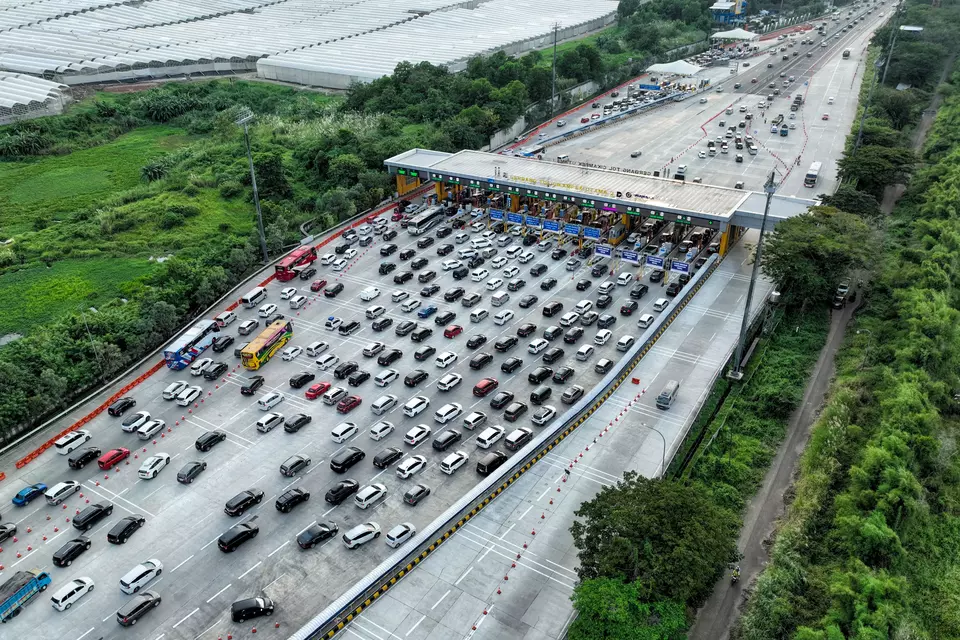
Jakarta. Indonesia’s annual homecoming during Eid al-Fitr remains one of the world’s largest seasonal migrations. This year, officials say it is becoming safer, though far from frictionless.
The Transportation Ministry estimates 143.9 million people will travel during the March 13–29 holiday period. Transport Minister Dudy Purwagandhi said traffic accidents and fatalities have declined by 28% to 228 over a 12-day monitoring period, down from 318 a year earlier, crediting stronger public compliance with safety instructions. Most incidents, however, still stem from driver fatigue and long journeys.
“We would like to thank the public for following guidance from officers during the homecoming and return journeys,” Dudy said.
Toll operator Jasa Marga estimates more than 3.5 million vehicles left Greater Jakarta. By March 25, over two million had returned, with another peak expected over the weekend.
Congestion persists at key bottlenecks. At Gilimanuk Port in Bali, queues stretched up to 30 kilometers ahead of Nyepi and Eid, where a traveler reportedly died after hours waiting inside a bus. In Sukabumi, West Java, drivers were stuck for more than 12 hours, while congestion also hit the Mohammed Bin Zayed elevated toll road and sections of the Trans-Java network.
Rail travel continues to absorb much of the surge. In Jakarta’s main operational zone, more than 52,000 passengers arrived in a single morning. Total rail passengers reached 1.8 million in 2026, up from 1.6 million a year earlier.
Air transport has also seen a sharp rise in passenger numbers. At Soekarno-Hatta International Airport, more than 2.4 million passengers have passed through during the holiday period, up from 2.3 million in 2025. The return flow remains heavy, with nearly 100,000 arrivals expected in a single day, though delays and cancellations persist.
Passengers also report rising ticket prices despite government-backed discounts. One passenger from Pontianak, Meisya Angeline, said her flight was delayed by about an hour and fares rose from Rp 900,000 to Rp1.3 million.
Economists say the exodus redistributes economic activity beyond major cities. Ade Holis of the NEXT Indonesia Center said liquid funds in circulation reached Rp 1,241 trillion ($73.4 billion) ahead of Eid, up Rp 104 trillion from Rp 1,137 trillion ($67.3 billion) a year earlier.
“People have purchasing power and the ability to travel to spend it in their hometowns, which in turn activates local economic ecosystems,” he said.
Think tank Celios expects Indonesia’s economy to expand 5.05% in the first quarter of 2026, partly driven by holiday consumption.
Tags: Keywords: as a preferred
The Latest

UN Boss Wants to Fix Security Council as Indonesia Seeks Seat
Outgoing UN chief Guterres says the current permanent member setup at the Security Council fails to reflect today's realities.
Saudi Flagship Investment Conference Pushed to 2027 after Houthi Attacks
The annual Future Investment Initiative (FII), often dubbed "Davos in the Desert", was originally scheduled to take place from October 26-29
Government Sets Aside Rp 1.3 Quadrillion for Final-Quarter Spending
Government spending has reached Rp 2.66 quadrillion, equivalent to 69.2% of the full-year budget target of Rp 3.84 quadrillion.
Indonesia Probes 98 Corporate Wildfire Cases, Including Possible Foreign Links
Police investigate 98 corporate-related wildfire cases, including possible links to investors from neighboring countries.
Students Plan Jakarta Protests to Mark Two Years of Prabowo's Presidency
Police have advised the public to avoid areas around the House of Representatives complex, the National Monument and the State Palace.Most Popular
