



How A Second Trump Presidency Will Impact Indonesian Economy
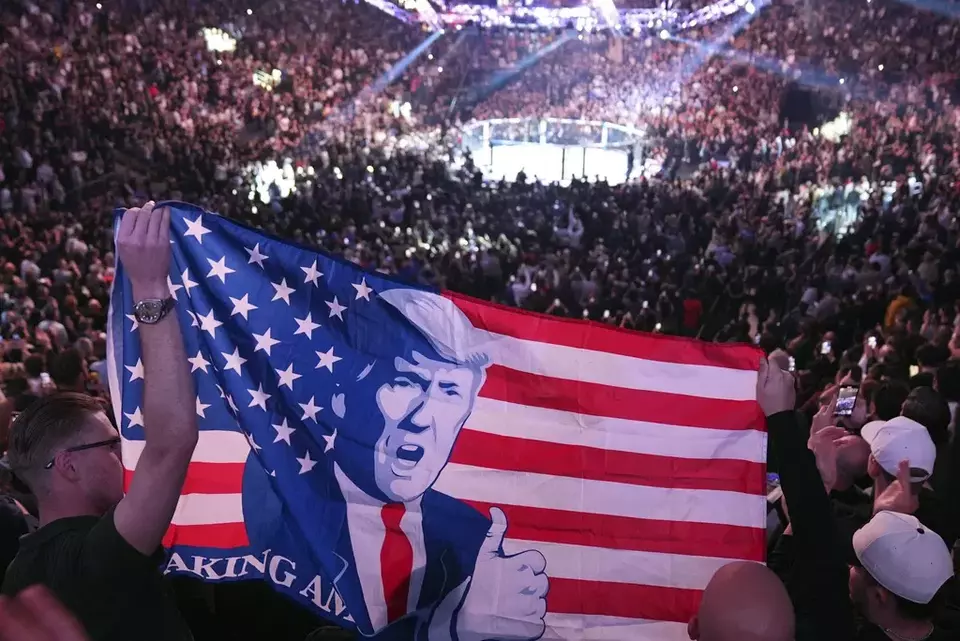
With Donald Trump’s return to the White House, we are likely to witness a renewed focus on the "America First" policy, which emphasizes reshoring jobs, reducing trade deficits, and tightening immigration policies. Such a stance holds significant implications for emerging economies like Indonesia. Here, we explore the anticipated impacts of Trump’s potential economic policies on the Indonesian economy from 2024 to 2029, specifically in relation to tariffs and trade deficits, the generalized system of preferences (GSP), global supply chain reorientation, and foreign direct investment (FDI).
First, Tariffs and Trade Deficits. During his previous term, Trump employed aggressive tariffs to reduce the US trade deficit, particularly targeting imports from China. In his current term, he has expressed intentions to impose tariffs as high as 60 percent on Chinese imports (and up to 200 percent on electric vehicles), with potential 10-20 percent tariffs on imports from other countries. Such measures could have both direct and indirect repercussions for Indonesia.
Directly, Indonesia stands as one of the United States' largest Southeast Asian trading partners after Vietnam, exporting products like palm oil, electronic components, machinery, textiles, footwear, tires, and rubber. In 2023, Indonesia’s exports to the US were valued at $23.3 billion, largely comprised of inputs and raw materials for US production. Increased tariffs on ASEAN countries would raise costs for these products, making Indonesian goods more expensive for US producers and consumers, which could ultimately erode US manufacturing competitiveness and contribute to inflationary pressures.
Indirectly, any escalation of the US-China trade war -- which has extended to encompass technology, strategic industries, and national security -- would have regional implications, particularly for Southeast Asia. Indonesia, integrated within East Asian supply chains, could be adversely affected if demand decreases for inputs and intermediate goods essential to broader production networks.
Second, the Generalized System of Preferences (GSP). The GSP program, established in 1976, provides duty-free access to the US market for select goods from developing countries. This preferential treatment benefits Indonesian exports of electronic equipment, travel goods, chemicals, furniture, and rubber. In 2023, Indonesia exported $3.56 billion under GSP.
Trump’s administration previously removed countries like India and Turkey from GSP eligibility, citing trade imbalances and other concerns. Indonesia has undergone GSP eligibility reviews before, most recently in 2017, as part of the US Trade Representative’s “proactive” process. If Trump reconsiders Indonesia’s GSP status, a suspension or termination of these preferences could increase costs for U.S. companies reliant on Indonesian goods, reducing their competitiveness in global markets and potentially decreasing Indonesia’s exports to the US.
Third, Global Supply Chain Reorientation. Another core aim of Trump’s economic approach is reshoring manufacturing jobs to the US, reducing reliance on foreign suppliers. This strategy could impact Indonesia’s manufacturing sector, particularly as it relates to electronics and automotive production, where Indonesia has benefited from global production sharing.
A shift away from Asian supply chains may result in decreased manufacturing demand for Indonesian industries, potentially lowering output and exports in key sectors. However, Indonesia could also benefit from a “China Plus One” strategy, where firms seek alternatives to China but maintain part of their operations in nearby countries. Indonesia’s competitive labor costs, large domestic market, and advantageous position within ASEAN make it an attractive alternative manufacturing hub, albeit with some infrastructure and regulatory challenges.
Fourth, Foreign Direct Investment (FDI). During his previous term, he introduced tax cuts and regulatory incentives designed to encourage US companies to invest domestically. Should a similar approach be implemented in his second term, it could affect US FDI flows to Indonesia. In 2023, FDI from the US into Indonesia totaled $3.3 billion, representing 6.5 percent of total FDI inflows, placing the US fifth after ASEAN, China, Hong Kong, and Japan. US FDI has traditionally been concentrated in sectors such as finance (notably banking and insurance), mining, energy, and consumer goods.
Concerns exist that Trump’s tax policies could lead to a decline in US FDI abroad if American companies are encouraged to reinvest earnings domestically. Such a shift would impact Indonesian industries reliant on U.S. capital, technology, and expertise.
In conclusion, a second Trump administration presents both challenges and potential opportunities for Indonesia’s economy. The possibility of heightened tariffs, a GSP review, and a push toward US supply chain reshoring could disrupt trade relations, reduce investment, and require Indonesia to adapt diplomatically and economically.
Mitigating these risks will require Indonesia to diversify its economic partnerships, strengthen local manufacturing, and build trade ties with other major economies to lessen reliance on any single market. Moreover, Indonesia must explore new sources of FDI, potentially increasing investment from China, Japan, South Korea, and the Middle East to compensate for any declines from the US.
By building resilience through regional alliances and establishing a robust ASEAN presence, Indonesia can weather shifts in US economic policy and maintain steady growth in an increasingly multipolar world.
---
Lili Yan Ing is the Secretary General of the International Economic Association (IEA). Yessi Vadila is the Trade Specialist at the Economic Research Institute for ASEAN and East Asia (ERIA).
The views expressed in this article are those of the authors.
Tags: Keywords: as a preferred
Related Articles

Trump’s New Press Secretary Out After Less Than a Week
Katie Zacharia’s brief White House tenure ends after less than a week, following a short first briefing and reported tensions over her role.
Defying Trump, Zelensky Says Will Keep Hitting Russian Refineries
Russia on Thursday said Ukraine had attacked an oil refinery in Ryazan, south of the capital, Moscow.
Fury as US Federal Agents Search Ilhan Omar's Home
"Make no mistake: this is an attempt to target political enemies and weaponize federal law enforcement," Omar wrote on X.
‘It’s Trump Who Sets Oil Price’: Prabowo’s Brother
Neither the Indonesian government nor OPEC sets the oil price, Hashim Djojohadikusumo says.
Navi Pillay, South African Rights Champion, Wins Nobel Peace Prize
"If you clap a little bit more, I may share this prize with Trump," the 85-year-old said.
Trump Vows to Hit Iran 'Very Hard' If Linked to Flydubai Attack
The US leader's threat of retaliation came as he took a harsher tone on the stalled Iran war overall.
Trump Slammed for 'Illegal' US TV Ads Funded by Taxpayers
Mike Levin, a Democratic member of the House of Representatives, said: "It’s propaganda, and you’re paying the bill."
Airlangga Says Indonesia Won’t Face US Tariffs Over Russian Oil
Airlangga says Indonesia won’t face US tariffs over Russian oil bought within an allowed window.
Masoud Tells Trump that Iran Will Never 'Bend at the Knee'
Pezeshkian accused Washington of "terrorism" for assassinating former supreme leader Ayatollah Ali Khamenei at the start of the conflict.
Trump Thanks Indonesia for Gaza Troops
Indonesia has not only committed troops to the ISF, but is in its upper management.The Latest

Ye Concert, Other Events to Draw 130,000 to GBK, Here’s What to Know
Around 130,000 visitors are expected at Jakarta’s GBK on Saturday as Ye’s concert and several major events take place.
Indonesia Allocates Rp 722 Billion for Year-End Flight Ticket Tax Relief
Indonesia allocates Rp 722 billion to cover domestic flight ticket VAT during the 2026/2027 Christmas and New Year holidays.
Greece Floats Shipbuilding Partnership with Indonesia
Greece says that it possesses “extensive expertise” as it woos Indonesia in shipbuilding partnership.
Indonesian Stocks Rally 4.9%, but Foreign Investors Keep Selling
Indonesia’s JCI rose 4.9% last week, but foreign selling and MSCI downgrade risks continue to cloud the market outlook.
Ye Concert in Jakarta to Deploy 2,000 Security Personnel
More than 2,000 personnel will secure Ye’s Jakarta concert on Saturday, as organizers urge fans to use public transport.Most Popular
