



UGM Professor Links Mass Layoffs to Trade and Fiscal Policies
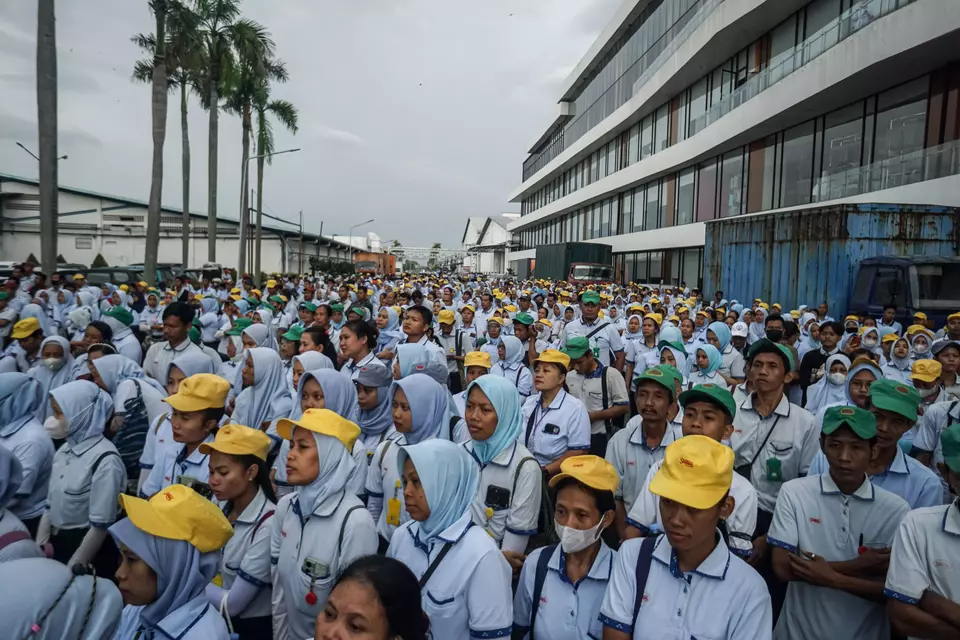
Jakarta. A series of government policies has contributed to Indonesia's continuing wave of layoffs despite robust economic growth, highlighting deeper structural weaknesses in the country's labor market, according to a labor economist from Gadjah Mada University.
Tadjuddin Noer Effendi, a professor at the Yogyakarta-based university, argued that Indonesia's 5.61% economic growth in the first quarter of 2026 has not translated into stronger job creation as businesses grapple with automation, technological change, and persistent global economic uncertainty.
“The current wave of layoffs reflects structural problems in the economy,” Tadjuddin said, adding that growth alone cannot generate employment without stronger investment in labor-intensive industries.
He identified the government's import liberalization policy introduced in 2024 as one of the factors that weakened domestic manufacturing. Although the policy has since been replaced, he said it triggered a surge in imported goods that eroded the competitiveness of Indonesian manufacturers, particularly labor-intensive sectors such as textiles, garments, electronics, and ceramics.
According to Tadjuddin, declining competitiveness forced many manufacturers to reduce production and cut their workforce to contain operating costs.
He also argued that President Prabowo Subianto's fiscal austerity measures have hurt the hospitality industry by sharply reducing government spending on official travel, meetings, and hotel accommodations.
“The reduction in transfers to regional governments has led local administrations to cut spending on meetings and lodging, reducing hotel revenues and contributing to layoffs in the hospitality sector,” he said.
Tadjuddin further criticized the government's decision to impose a 0.5% income tax on micro, small, and medium-sized enterprises with annual sales exceeding Rp 500 million (around $27,800), arguing that the policy places additional pressure on a sector that remains Indonesia's largest source of employment.
He described the country's current economic expansion as consumption-driven rather than investment-led, with government spending -- including the disbursement of annual bonuses to civil servants -- playing a larger role than productive investment capable of generating significant employment.
According to Tadjuddin, Indonesia also needs stronger industrial investment to reduce its reliance on household consumption, which accounts for more than half of gross domestic product.
He added that weakening purchasing power among middle-income households has become increasingly evident in softer consumer price inflation, which he said reflected slowing domestic demand.
Beyond domestic policies, Tadjuddin said global developments have also weighed on employment. He pointed to the prolonged Russian invasion of Ukraine, which has affected Indonesia's exports, and heightened tensions between the United States and Iran earlier this year that pushed up global energy prices and increased production costs for energy-intensive industries such as ceramics.
He argued that unless Indonesia attracts more investment into labor-intensive manufacturing while improving the competitiveness of domestic industries, layoffs are likely to remain a persistent challenge despite continued economic growth.
Tags: Keywords: as a preferred
Related Articles

Business Group Calls for Deregulation to Stem Job Cuts
Apindo says deregulation and lower business costs are needed to address the root causes of layoffs and support economic recovery.
Indonesia's Growth Is Leaving Workers Behind
Indonesia's economy keeps growing above 5%, but layoffs, shrinking middle-class incomes, and weak hiring reveal a widening jobs gap.
Gunbuster Nickel Lays Off 1,800 Workers as Financial Crisis Hits Smelter
GNI has laid off 1,800 workers as its Chinese parent group's financial crisis disrupts operations and restructuring.
Indonesia Regulator Says No Mass Layoffs in Banking Sector
Indonesia's banking regulator says KB Bank's layoffs are part of a restructuring plan and do not reflect conditions across the banking sector.
TikTok Denies Mass Tokopedia Layoffs, Opens 100 Jobs in Indonesia
TikTok says it is hiring for more than 100 jobs in Indonesia, denying reports it laid off 90% of Tokopedia's workforce.
UGM Professor Links Mass Layoffs to Trade and Fiscal Policies
An Indonesian economist says trade, fiscal, and tax policies have contributed to layoffs despite solid economic growth.
Purbaya Signals Further Budget Tightening in 2027 Amid Rising Spending Commitments
For 2027, the government has set a budget deficit target of between 1.8% and 2.4% of gross domestic product.The Latest

Prabowo Calls Meeting on Forest Fires as Haze Reaches Jakarta, Singapore
Prabowo summons senior officials to discuss forest fires as smoke reaches Jakarta and Malaysia pushes for regional action.
Jakarta Outranks Amsterdam in Global Public Transport Survey
Jakarta climbs two places to 15th in Time Out's 2026 public transport survey, with its governor citing better network integration.
MSCI Concerns, Tighter IDX Trading Rules Send Indonesian Stocks Down 5% by Midday
Indonesian stocks plunge 5% by midday as MSCI concerns weigh on sentiment and the IDX tightens its daily downside limit to 7%.
Jakarta Prepares 367 Health Facilities as Haze Reaches the Capital
Jakarta prepares 367 health facilities to treat potential haze-related illnesses after smoke from Sumatra and Kalimantan crosses the region.
Jakarta Expands Flood Prevention With New Water Storage Ponds
Jakarta opens two East Jakarta water storage ponds as it expands flood prevention efforts through reservoirs and river normalization.Most Popular
