



Indonesia Mandates Location Tracking, Rapid Response for WFH Employees
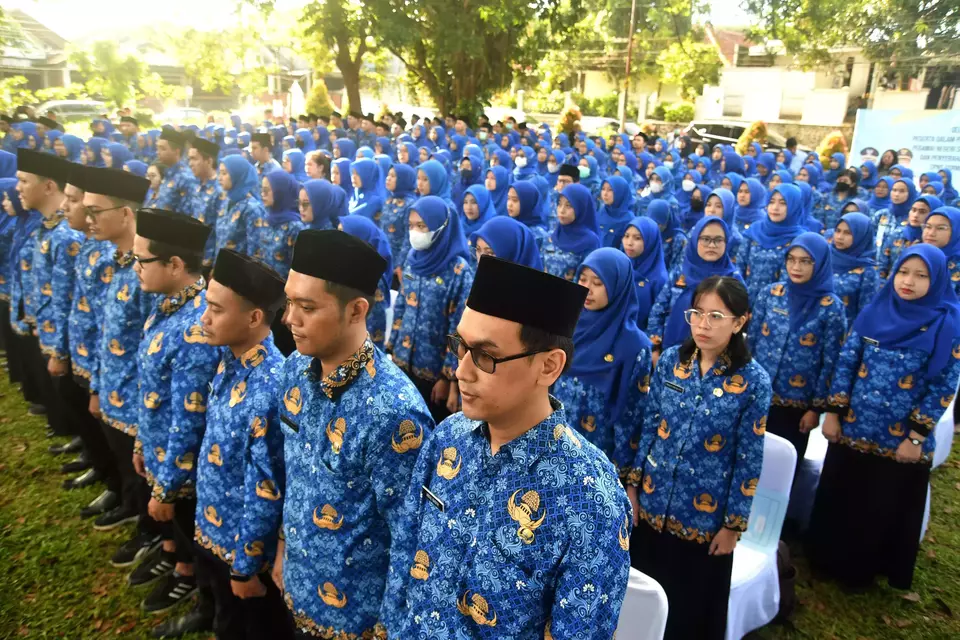
Jakarta. Indonesia has introduced stricter work-from-home (WFH) rules for civil servants, requiring them to activate location tracking features and respond to communications within five minutes during working hours.
The policy, announced by the Home Affairs Ministry, follows the government’s broader directive to implement weekly WFH for central and regional civil servants as part of efforts to reduce fuel consumption and save up to Rp 243.4 trillion ($14.3 billion) amid an ongoing energy crunch.
Home Affairs Minister Tito Karnavian said on Tuesday the measures are intended to ensure discipline and productivity among employees working remotely, drawing on practices adopted during the COVID-19 pandemic.
“The goal is to ensure that civil servants genuinely carry out work-from-home duties,” Tito said.
Under the new rules, civil servants must remain on standby during working hours, respond promptly to calls or messages within five minutes, and keep their location services active to verify their presence.
Those who fail to respond to two consecutive calls will receive a verbal warning, while repeated violations may lead to written warnings, performance reviews, and administrative sanctions.
The WFH policy does not apply to essential public services that require direct interaction, such as healthcare, security, and sanitation. Strategic sectors—including industry, trade, transportation, and logistics—will also continue normal on-site operations.
The government said savings generated from the policy will be reallocated to priority programs in each region, with local administrations instructed to calculate potential efficiencies.
Implementation will be reviewed after two months through a tiered reporting system from regents and mayors to governors and ultimately the central government.
Read More:
Businesses Question One-Day WFH PlanAdministrative and Bureaucratic Reform Minister Rini Widyantini added that civil servant performance will be monitored through an e-performance system integrated with the National Civil Service Agency (BKN).
“For all civil servants, we will continue to conduct evaluations,” Rini said.
The WFH arrangement will be implemented once a week, every Friday, starting in April 2026, as Fridays are typically associated with lower work activity.
In addition to WFH, the government is rolling out broader mobility efficiency measures, including reducing the use of official vehicles by up to 50% — excluding operational and electric vehicles — cutting domestic business travel by 50%, and reducing international travel by up to 70%.
Another key policy is the introduction of a 50% biodiesel blend (B50) for subsidized diesel, expected to reduce fossil fuel imports and generate savings of more than Rp 48 trillion ($2.8 billion).
 as a preferred
Related Articles

Indonesia Earmarks $6.2 Billion for Sumatra Disaster Recovery
Indonesia has allocated Rp 100 T over three years to accelerate post-disaster rehabilitation and reconstruction in three Sumatra provinces.
Jakarta’s Rp 5.6 Trillion Bond Plan Draws Caution from Home Affairs Minister
Tito Karnavian urged caution over Jakarta’s Rp 5.6 trillion bond plan, warning regional debt must not burden future administrations.
UGM Professor Links Mass Layoffs to Trade and Fiscal Policies
An Indonesian economist says trade, fiscal, and tax policies have contributed to layoffs despite solid economic growth.
Indonesia Denies Reports That Two Border Villages Were Lost to Malaysia
Indonesia denied reports that two villages were ceded to Malaysia, saying only a small border area was affected.
Purbaya Signals Further Budget Tightening in 2027 Amid Rising Spending Commitments
For 2027, the government has set a budget deficit target of between 1.8% and 2.4% of gross domestic product.
Indonesia Explores CNG as Alternative to Imported LPG
Indonesia tests household CNG cylinders as a potential substitute for imported LPG to reduce subsidies and import costs.The Latest

Prabowo Calls Meeting on Forest Fires as Haze Reaches Jakarta, Singapore
Prabowo summons senior officials to discuss forest fires as smoke reaches Jakarta and Malaysia pushes for regional action.
Jakarta Outranks Amsterdam in Global Public Transport Survey
Jakarta climbs two places to 15th in Time Out's 2026 public transport survey, with its governor citing better network integration.
MSCI Concerns, Tighter IDX Trading Rules Send Indonesian Stocks Down 5% by Midday
Indonesian stocks plunge 5% by midday as MSCI concerns weigh on sentiment and the IDX tightens its daily downside limit to 7%.
Jakarta Prepares 367 Health Facilities as Haze Reaches the Capital
Jakarta prepares 367 health facilities to treat potential haze-related illnesses after smoke from Sumatra and Kalimantan crosses the region.
Jakarta Expands Flood Prevention With New Water Storage Ponds
Jakarta opens two East Jakarta water storage ponds as it expands flood prevention efforts through reservoirs and river normalization.Most Popular
