



Indonesian Military, Defense Ministry Introduce WFH Scheme Amid Energy Concerns
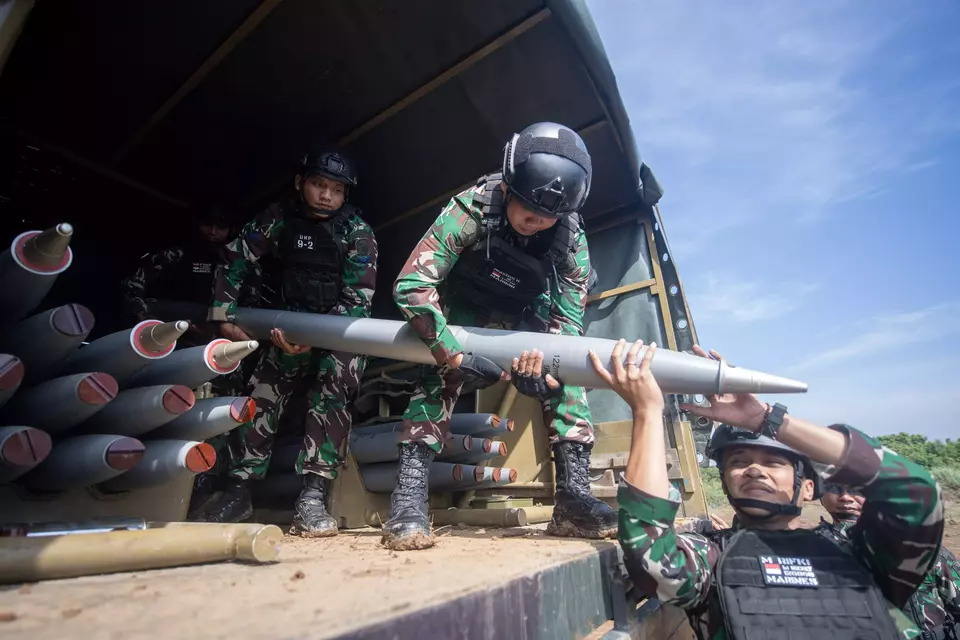
Jakarta. The Defense Ministry and the Indonesian Military (TNI) have introduced a policy allowing one day of remote work per week as part of broader efforts to reduce fuel consumption and improve efficiency amid global geopolitical uncertainties.
Defense Ministry spokesperson Brig. Gen. Rico Ricardo Sirait said on Monday that the policy aligns with President Prabowo Subianto’s directive to strengthen national efficiency, particularly in managing strategic resources.
“The measures include more effective, priority-based use of resources, including in weapons systems operations and official mobility,” Rico said in Jakarta.
The policy includes several key components, such as adjustments to work schedules, with certain functions shifting from a five-day to a four-day in-office workweek. The arrangement follows presidential approval for a weekly work-from-home (WFH) scheme aimed at reducing fuel consumption after the Eid holiday.
Other measures include prioritizing the use of defense equipment based on operational needs and tightening restrictions on official vehicle usage, including employee transport services.
Rico stressed that the policy reflects disciplined resource management rather than an emergency response, noting that Indonesia’s national energy reserves remain secure.
The move comes as the government accelerates efficiency measures across ministries and state institutions to ensure the 2026 budget deficit remains below the legal ceiling of 3% of gross domestic product.
Finance Minister Purbaya Yudhi Sadewa said earlier that the government is focusing on trimming non-essential spending, particularly programs with limited impact on economic growth.
“Unnecessary meetings or policies with minimal or slow economic impact can be postponed,” Purbaya said last week.
Although the deficit is currently projected at 2.68% of GDP, authorities are moving proactively to curb spending as a precaution against potential spikes in global energy prices linked to escalating tensions in the Middle East.
Tags: Keywords: as a preferred
Related Articles

Tandyo Budi Named Indonesian Army Chief in Leadership Swap with Maruli
Prabowo names Tandyo Budi Army chief and Maruli Simanjuntak TNI deputy commander in a senior military leadership swap.
Indonesian Military Says Three Papuan Separatists Killed in Gunfight
The latest clash came amid intensified military operations against armed separatist groups in Papua over the past two weeks.
‘Protect Our Wealth’: Prabowo Orders Military to Train Hard in Peacetime
Peacetime doesn't mean complacency against foreign groups that are eyeing to "steal" Indonesia's abundant resources.
Prabowo to Inaugurate Six New Military Commands on TNI Anniversary
Prabowo will inaugurate six new military commands and dozens of other units as Indonesia’s TNI marks its 81st anniversary.
TNI to Mark 81st Anniversary without Parade as Troops Aid Disaster Victims
TNI has canceled its major Oct. 5 military parade as troops remain deployed to disaster-hit areas, opting for a modest anniversary ceremony.
Indonesia Commissions Its First Aircraft Carrier, KRI Sriwijaya-100
Indonesia has commissioned its first aircraft carrier, KRI Sriwijaya-100, after acquiring the former Italian Navy vessel Giuseppe Garibaldi.
Former Italian Carrier Garibaldi Heads to Indonesia for Renaming as KRI Gajah Mada
Indonesia’s first aircraft carrier is heading from Italy to Lampung, where it will be commissioned as KRI Gajah Mada on Sept. 25.
Indonesia's Military Recovers Two Civilian Bodies After Deadly Papua Attack
Indonesian troops recovered two civilian bodies after a deadly separatist attack in Papua that triggered a brief firefight.
UGM Professor Links Mass Layoffs to Trade and Fiscal Policies
An Indonesian economist says trade, fiscal, and tax policies have contributed to layoffs despite solid economic growth.
Purbaya Signals Further Budget Tightening in 2027 Amid Rising Spending Commitments
For 2027, the government has set a budget deficit target of between 1.8% and 2.4% of gross domestic product.The Latest

Jakarta Outranks Amsterdam in Global Public Transport Survey
Jakarta climbs two places to 15th in Time Out's 2026 public transport survey, with its governor citing better network integration.
MSCI Concerns, Tighter IDX Trading Rules Send Indonesian Stocks Down 5% by Midday
Indonesian stocks plunge 5% by midday as MSCI concerns weigh on sentiment and the IDX tightens its daily downside limit to 7%.
Jakarta Prepares 367 Health Facilities as Haze Reaches the Capital
Jakarta prepares 367 health facilities to treat potential haze-related illnesses after smoke from Sumatra and Kalimantan crosses the region.
Jakarta Expands Flood Prevention With New Water Storage Ponds
Jakarta opens two East Jakarta water storage ponds as it expands flood prevention efforts through reservoirs and river normalization.
Press Council Highlights AI Ethics at United Tractors Journalist Workshop
United Tractors’ 2026 journalist workshop highlights ethical AI use and the importance of trust and credibility in journalism.Most Popular
