



Pertamina’s Balikpapan Energy Project Boosts Local Economy
Jakarta. Pertamina reaffirmed its commitment to delivering tangible benefits to the national economy through the development of an Integrated Energy Infrastructure project at the Balikpapan refinery.
The upstream-to-downstream integrated project includes the Senipah gas pipeline, the Lawe-Lawe large-capacity storage tanks, a Crude Distillation Unit (CDU), a Residual Fluid Catalytic Cracking (RFCC) Complex, and the Tanjung Batu fuel terminal. Once operational, the facilities are expected to support energy distribution across eastern Indonesia.
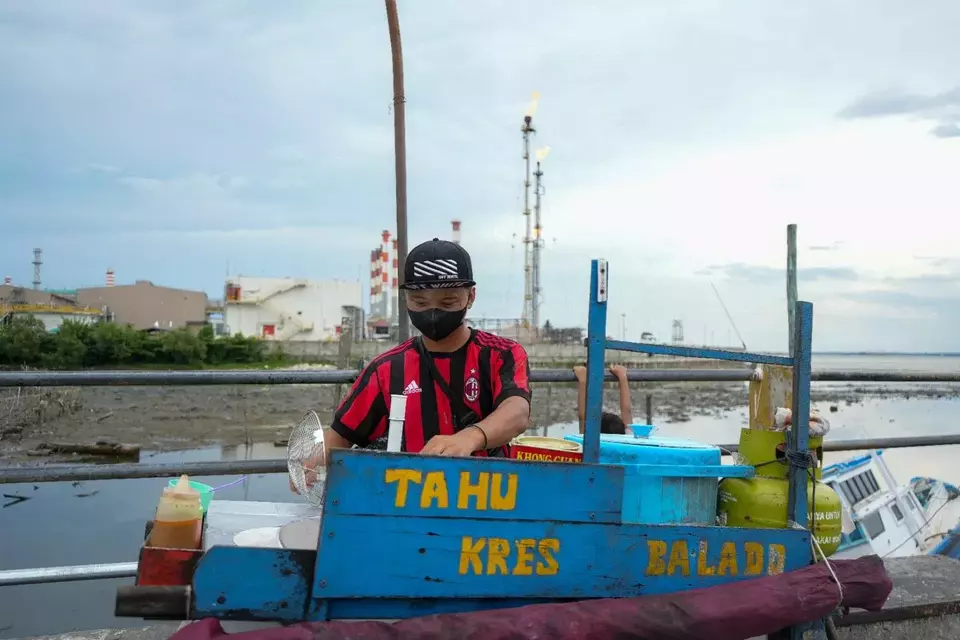
Beyond strengthening energy supply, the project has also generated economic spillovers for surrounding communities. Yanti, a food stall owner near the refinery site, said daily foot traffic has increased as construction workers frequent her business, helping sustain household income during the project period.
“Alhamdulillah, we are grateful. There is a daily cash flow. Hopefully, Pertamina workers and Pertamina Hulu Mahakam staff will continue having lunch at nearby stalls even after construction is completed,” Yanti said.
Similar benefits have been felt by other micro and small enterprises. Tuti, owner of Warung Kube Mandiri in Mekar Sari, East Kalimantan, said her eatery is often packed during lunch hours by refinery project workers.
“Lunch hours are very busy; sometimes we even run out of seats. The project really helps. We hope it continues, so more people keep coming,” she said.
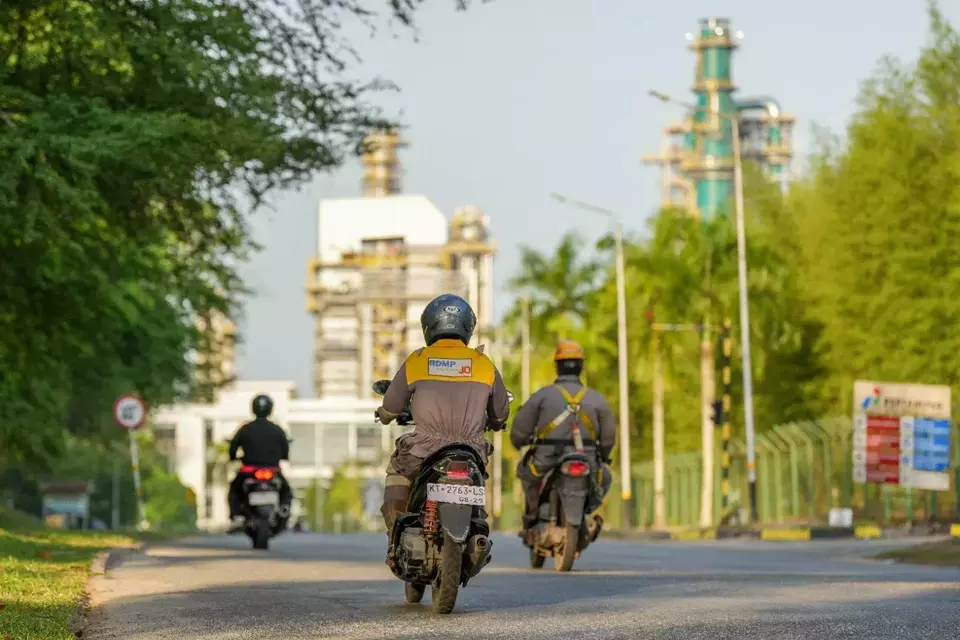
Pertamina Vice President of Corporate Communication Muhammad Baron said the project has helped create jobs and stimulate local economic growth. During the construction phase, the national strategic project absorbed around 24,000 workers, most of them domestic labor. In the operational phase, the refinery is projected to employ about 2,000 workers directly, while also creating indirect employment opportunities across supporting sectors.
“Projects developed by Pertamina are not only focused on strengthening national energy security, but also on delivering real multiplier effects for communities,” Baron said.
He added that local businesses have been involved across the project’s supply chain, from supporting services to logistics and consumption needs during both construction and operations, contributing positively to East Kalimantan’s broader economic growth.
Baron also noted that Pertamina has maintained the local content requirement (TKDN) at around 35% throughout the refinery development. The policy reflects the company’s commitment to supporting domestic manufacturing and services so they can grow alongside national strategic projects, strengthening the domestic industrial ecosystem and national competitiveness.
Tags: Keywords: as a preferred
Related Articles

Bali Fuel Queues Persist Despite Odd-Even License Plate Rule
Bali’s fuel queues persist despite odd-even license plate rules and purchase limits, disrupting residents’ daily activities.
Bali Orders Three Days of Remote Work, Online Classes Amid Fuel Shortage
Bali introduces remote work and online classes for three days as fuel shortages disrupt travel across the island.
Two Tankers Deliver 21.7 Million Liters of Gasoline to Ease Bali Fuel Crisis
Two tankers deliver 21.7 million liters of gasoline to Bali as Pertamina extends gas station hours to ease fuel shortages.
Bali Fuel Queues Stretch for Nearly 24 Hours as Governor Blames Distribution Delays
Bali's governor says fuel stocks are sufficient but distribution delays and surging demand have caused long queues and traffic jams.
Pertamina in Talks with Medco for Bioethanol Project
Earlier this year, Pertamina and Medco inked a MoU that could lead to reactivating the latter's bioethanol plant.
Pertamina’s Green Jet Fuel Drive Open to Investors
Pertamina has already begun producing sustainable aviation fuel, a project that it has also opened to interested investors.
Pertamina Holds Fuel Prices Despite Crude Oil Surge Above $100
Pertamina keeps fuel prices unchanged for October despite global crude oil prices rising above $100 per barrel.
Pertamina, Jababeka Plan Biomethane and Hydrogen Expansion for Industrial Decarbonization
Pertamina and Jababeka expand green energy cooperation, exploring biomethane, hydrogen and solar power for industrial decarbonization.
Indonesia Disburses $18.7 Billion in Energy Subsidies, Compensation
Indonesia disbursed Rp 331.4 trillion in energy subsidies and compensation to PLN and Pertamina as of August, up 52.1% year-on-year.
Indonesia Has Enough Fuel, Bahlil Says as Queues Stretch in South Sulawesi
Bahlil says Indonesia has enough fuel for 20 days, blaming long queues on shifting demand and alleged misuse of subsidized fuel.The Latest

Zelensky Says Trilateral US-Ukraine-Russia Meeting to Take Place in November
On Friday, Kremlin spokesman Dmitry Peskov said that a trilateral meeting was planned to take place in the United Arab Emirates in November.
All of the Lights: Ye Brings Old Kanye Hits to 50,000 Fans in Jakarta
Ye draws 50,000 fans to Jakarta for a globe-sized spectacle of lasers, fireworks, and hits spanning his two-decade career.
Nine Companies in Indonesia Stock Exchange IPO Pipeline, Healthcare Leads
Nine companies are in the IDX IPO pipeline, including four healthcare firms, after seven listings raised Rp 2.16 trillion this year.
Indonesia Cuts Gas Exports to Singapore to Prioritize Domestic Industries
Gas from Natuna and Sumatra has been delivered to Singapore through pipeline arrangements established in the late 1990s and early 2000s.
Footwear Factory in Banten Shuts Down, Affecting 1,100 Workers
The latest closure in Lebak highlights the continuing employment challenges facing Indonesia's labor-intensive footwear industry.Most Popular
