



Iran's Ambassador to Indonesia: Tensions with Israel Could Lead to Open War
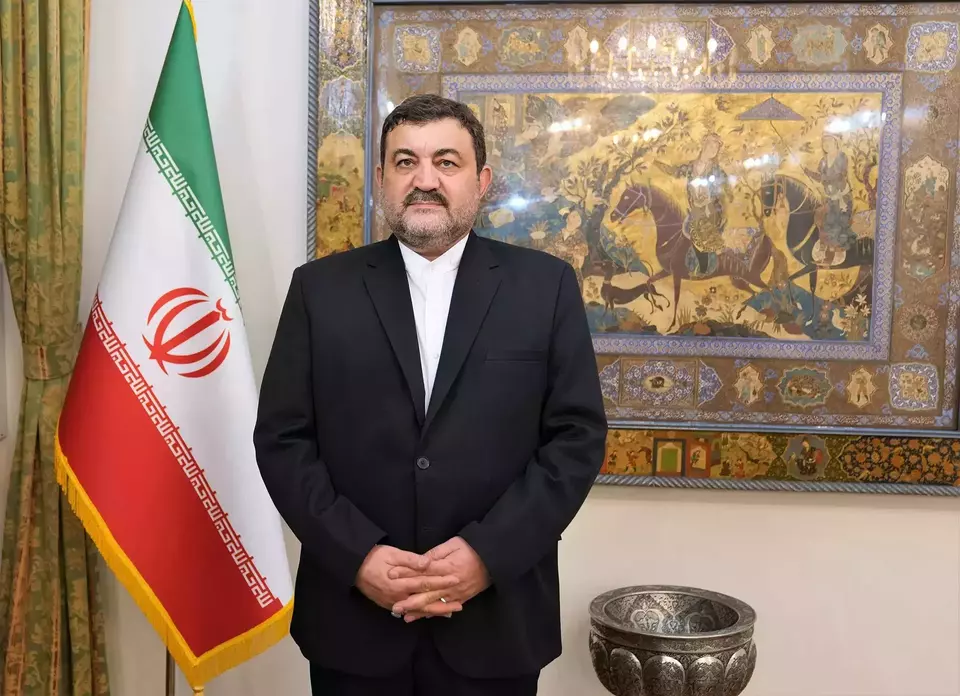
Jakarta. Indonesia and several other nations have voiced concerns over mounting tensions in the Middle East, fearing that conflict between Iran and Israel may escalate into open war. While Iran maintains that it does not seek war, it has issued warnings against what it views as continued Israeli provocations.
“Iran is not a nation that seeks war, but it will not waver in defending its rights and interests,” Iran’s ambassador to Indonesia, Mohammad Boroujerdi, told the Jakarta Globe in an exclusive interview. “Should the aggressions and crimes of the [Israeli] regime continue, tensions are likely to escalate.”
Boroujerdi emphasized that Iran’s government is committed to defending the country’s interests through strength and resolve. “The nature and manner of Iran’s response will be decided by the relevant authorities and will align with the nation’s best interests,” he added.
The Middle East has seen several escalations in recent weeks. On September 27, an Israeli airstrike killed Hassan Nasrallah, a key figure in the Iran-backed Lebanese militant group Hezbollah. In retaliation, Iran launched ballistic missiles at Israel on October 1, resulting in minor damage and a few injuries. Israeli Prime Minister Benjamin Netanyahu warned that Iran had “made a big mistake.”
Read More: Israel's Open Attack on Iran Targets Missile Sites and Spares Oil and Nuclear Ones
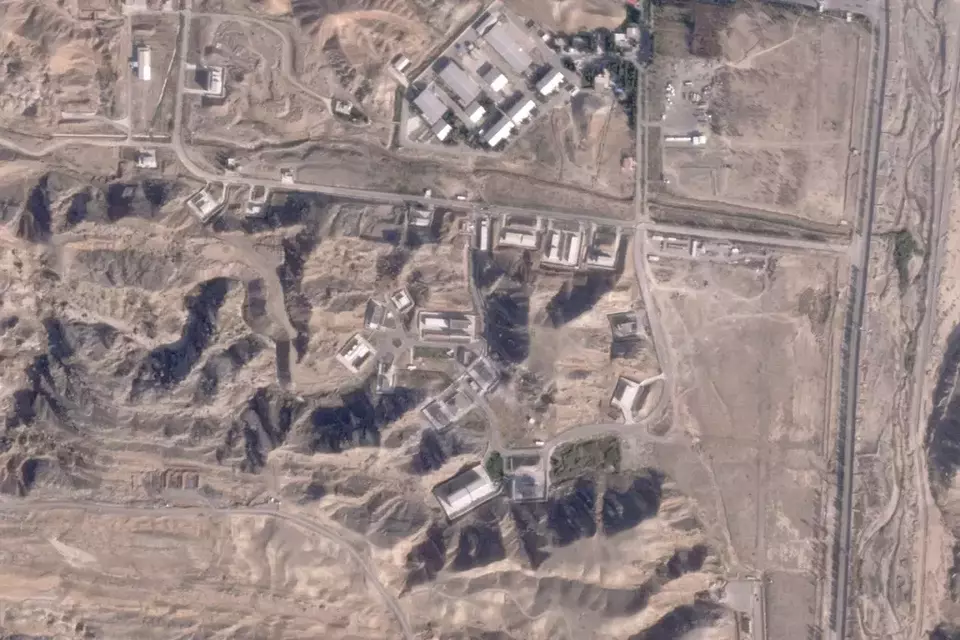
On Oct. 26, Israel launched airstrikes on military targets in Iran, marking its first open assault on the nation, in response to Iran’s earlier missile attacks. Boroujerdi downplayed the impact of these strikes on Iran’s economy and defense capabilities, asserting that Iran’s air defenses “demonstrated the Zionist regime’s failure” and that the country was “fully prepared” to counter such attacks.
The conflict risks sparking further violence across the region, where Iran-backed groups, including Hamas in Gaza and Hezbollah in Lebanon, are already engaged in hostilities with Israel.
“Iran’s policy remains firmly against expanding instability in the region,” Boroujerdi said. “However, the Islamic Republic of Iran will not leave the Zionist regime’s aggression unanswered.”
In the aftermath of Israel’s recent strikes, Iran’s Supreme Leader Ayatollah Ali Khamenei urged caution, noting that the attack should “neither be exaggerated nor downplayed.” Meanwhile, Netanyahu declared the strikes “severely harmed” Iran, asserting that Israel had “achieved all its goals.”
In response to recent developments, oil prices stabilized on Tuesday as fears of an extended Middle Eastern conflict that could disrupt energy supplies eased, following a 4 percent surge last week.
Tags: Keywords: as a preferred
The Latest

Prabowo Calls Meeting on Forest Fires as Haze Reaches Jakarta, Singapore
Prabowo summons senior officials to discuss forest fires as smoke reaches Jakarta and Malaysia pushes for regional action.
Jakarta Outranks Amsterdam in Global Public Transport Survey
Jakarta climbs two places to 15th in Time Out's 2026 public transport survey, with its governor citing better network integration.
MSCI Concerns, Tighter IDX Trading Rules Send Indonesian Stocks Down 5% by Midday
Indonesian stocks plunge 5% by midday as MSCI concerns weigh on sentiment and the IDX tightens its daily downside limit to 7%.
Jakarta Prepares 367 Health Facilities as Haze Reaches the Capital
Jakarta prepares 367 health facilities to treat potential haze-related illnesses after smoke from Sumatra and Kalimantan crosses the region.
Jakarta Expands Flood Prevention With New Water Storage Ponds
Jakarta opens two East Jakarta water storage ponds as it expands flood prevention efforts through reservoirs and river normalization.Most Popular
