



Indonesia’s Anti-Graft Law Allows Death Penalty, but Will It Ever Be Enforced?
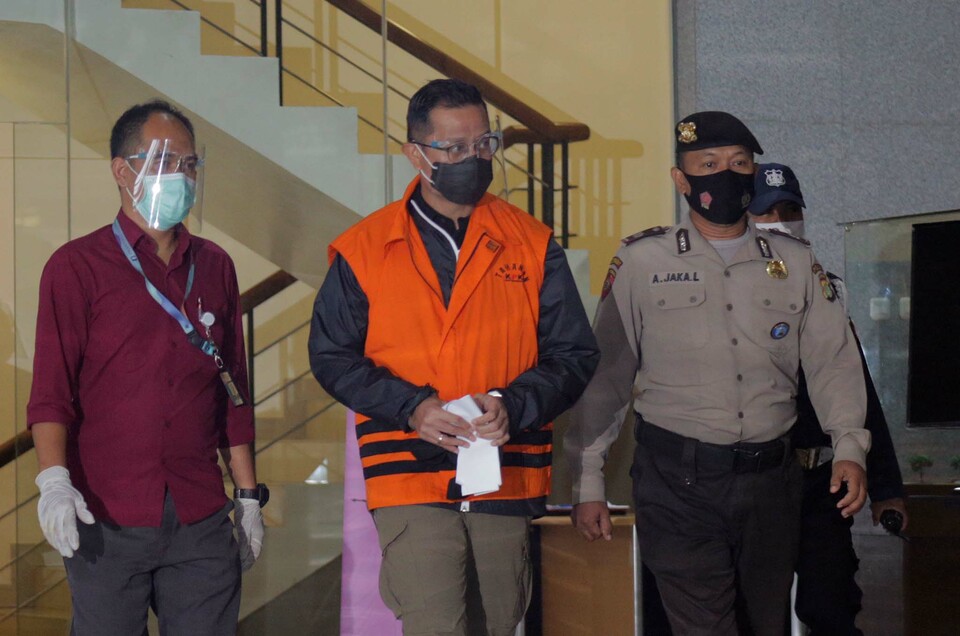
Jakarta. A series of high-profile corruption cases in Indonesia has reignited calls for the death penalty for corrupt officials, with supporters arguing it would deter future crimes and curb rising corruption levels.
Corruption Eradication Commission (KPK) Deputy Chairman Fitroh Rohcahyanto said Indonesia’s existing legal framework already provides for the death penalty in corruption cases under specific circumstances, as stipulated in Article 2, Paragraph (2) of the Anti-Corruption Law.
"The law states that corruption causing state losses under certain conditions, such as during a national emergency, can be punishable by death. However, it has never been enforced," Fitroh said during an anti-corruption talk show on Wednesday.
Fitroh suggested that if an extraordinary corruption case emerges, where the losses to the state are severe and occur under critical conditions, the death penalty could be considered. "We hope this would serve as a strong deterrent," he added.
Indonesia currently applies the death penalty for crimes such as drug trafficking, premeditated murder, terrorism, and offenses against state security under the Criminal Code. Convicts sentenced to death are executed by firing squad.
Religious Affairs Minister Nasaruddin Umar offered an alternative perspective, arguing that corruption convicts could be "executed" by destroying their dignity rather than their lives.
"In Arabic, 'death' means the end of life. But it can also mean the death of one’s dignity, career, opportunities, social status, and reputation," Nasaruddin said during the same event.
For some, he added, such consequences might be harsher than physical death. "Once someone dies, there is no longer any shame. But public disgrace and social death can be more painful," he said.
Nasaruddin speculated that some corrupt individuals might even prefer execution over enduring public humiliation and the loss of status. "They might choose to be shot rather than lose everything they have built," he said.
Indonesia has rarely enforced the death penalty for corruption. The only known case was Jusuf Muda Dalam, a former Bank Indonesia governor, who was sentenced to death in 1966 for embezzlement. However, he died of a heart attack in prison on Aug. 26, 1976, a day before his scheduled execution. Since then, despite calls for harsher punishments, no corrupt official has faced the death penalty.
The debate resurfaced in 2020 following the Covid-19 social aid corruption scandal involving former Social Affairs Minister Juliari Batubara. Prosecutors accused him of taking Rp 32.48 billion in bribes, yet he was sentenced to only 12 years in prison and fined Rp 500 million. Similarly, business figures like Heru Hidayat and Benny Tjokrosaputro faced death penalty demands in the multi-trillion-rupiah ASABRI and Jiwasraya insurance fraud cases. However, both escaped capital punishment.
Tags: Keywords: as a preferred
Related Articles

Indonesia to Host First International Grand Imams Conference to Promote Global Peace
Indonesia will host the first global grand imams conference, bringing 47 delegates from 39 countries together to promote peace.
KPK Detains Regent, 13 Others in North Sulawesi Sting
KPK detained North Bolaang Mongondow Regent Sirajudin Lasena and 13 others in a sting involving suspected payments tied to local projects.
KPK Names Summarecon CEO, Director General among Eight Corruption Suspects
KPK named eight suspects in a Bogor land rights corruption case after investigators seized around 20 suitcases of cash.
Summarecon Shares Plunge 7% After CEO Detained in KPK Graft Probe
Summarecon shares plunge 7% after CEO detained in KPK graft probe.
KPK Detains 17 in Greater Jakarta, Including Senior Land Officials
KPK detained 17 people, including senior land officials, in Greater Jakarta but has yet to disclose the alleged corruption scheme.
Nasaruddin Umar Won’t Run for NU Chairman despite Support
Religious Affairs Minister Nasaruddin Umar will not seek the NU chairmanship despite support, choosing to focus on his cabinet duties.
KPK Seizes S$8,500 in Probe Into Alleged Immigration Permit Extortion
KPK seized S$8,500 after searching two Jakarta immigration offices in a probe into alleged extortion involving stay permits.
Indonesia's Anti-Corruption Agency Arrests Seven Regional Leaders in H1
Indonesia's KPK carried out 12 sting operations in the first half, arresting seven regional leaders and boosting asset recovery.
KPK Employee Charged With Extortion Over Leak in Pemalang Corruption Probe
The employee, Setya Budi Dias Oktavianto is suspected of passing confidential information to his father, Lilik Budi Suprianto.
Pemalang Regent Becomes 12th Regional Leader Arrested by KPK This Year
His predecessor, Mukti Agung Wibowo, was arrested in August 2022 and was later sentenced to 6½ years in prison.The Latest

Chandra Asri Group Receives Trade Finance Excellence Award, Reinforcing Its Role in Indonesia’s Industrial Development
Chandra Asri Group receives the Trade Finance Excellence Award at CIMB Niaga Business Summit 2026.
AEON MALL Deltamas Brings 11 Sports and Creative Competitions to AEONLYMPIC 2026
AEON MALL Deltamas hosts AEONLYMPIC 2026, featuring 11 sports and creative competitions, with more than 3,100 participants.
Indonesian Stocks Extend Losses for Third Day, Fall 3.64% to 4,996
Indonesian stocks fell 3.64% on Monday, extending losses for a third straight session amid MSCI concerns and tighter trading limits.
Prabowo Calls Meeting on Forest Fires as Haze Reaches Jakarta, Singapore
Prabowo summons senior officials to discuss forest fires as smoke reaches Jakarta and Malaysia pushes for regional action.
Jakarta Outranks Amsterdam in Global Public Transport Survey
Jakarta climbs two places to 15th in Time Out's 2026 public transport survey, with its governor citing better network integration.Most Popular
