



West Java Hotel Cuts Labor Hours as Government Austerity Measures Hit Hospitality Sector
Jakarta. The hospitality sector is feeling the strain of the government’s ongoing austerity campaign, which has sharply curtailed hotel bookings and meeting activities nationwide.
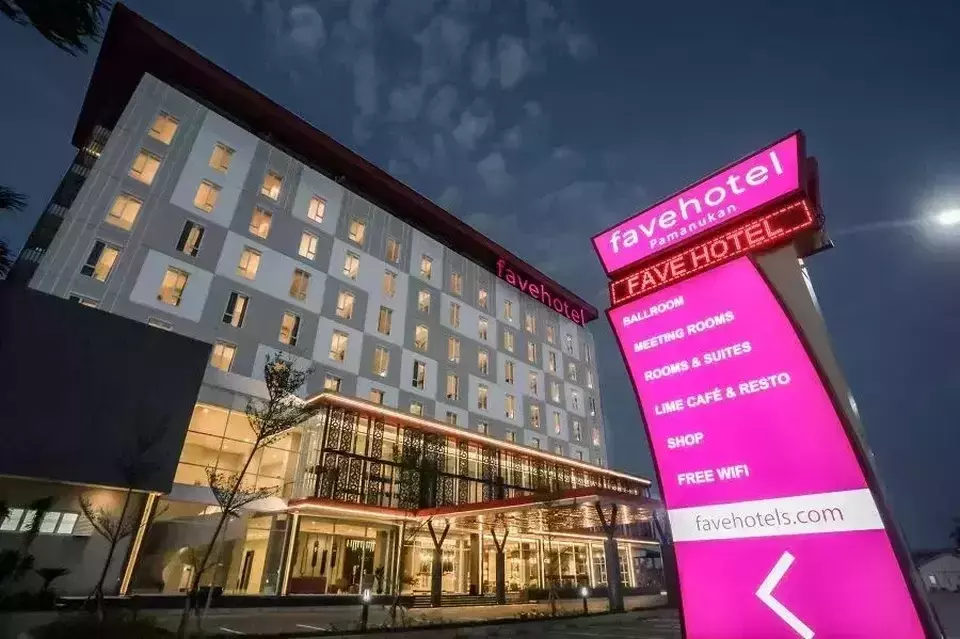
One such example is Favehotel Pamanukan, located in Subang Regency, West Java, which has been forced to reduce the working hours of its part-time staff due to a significant decline in bookings from local government agencies.
“Previously, they worked around 20 days a month, but since last month, their hours have been cut in half,” said Bintang Adhipradipta, General Manager of Favehotel Pamanukan, on Wednesday.
Workers affected include those in the hotel’s restaurant and housekeeping departments.
Despite its strategic location near Patimban Port -- recently launched as a major export hub, particularly for the automotive industry -- the hotel has seen a dramatic drop in activity.
“We used to host corporate and government events regularly, but those have virtually disappeared since the start of the year,” Bintang said.
Even during the usually busy Eid al-Fitr holidays, when all 107 rooms were typically fully booked, the hotel recorded an occupancy rate of only around 30 percent this year, he added.
According to the Indonesian Hotel and Restaurant Association (PHRI), the national hotel occupancy rate dropped to around 20 percent last month, a steep decline from 40 to 60 percent during the same period last year.
Eid al-Fitr, traditionally one of the peak periods for domestic travel -- alongside the year-end holidays -- has become a bellwether for industry performance. Yet, hotels in cities across Indonesia, from Bogor and Malang on Java Island to Medan in North Sumatra, reported underwhelming occupancy during this year’s Eid. Even popular tourist destinations like Bali and Yogyakarta saw lower-than-usual bookings.
During the January-February period, the national occupancy rate stood at 37.77 percent, a slight decline of 0.51 percentage points compared to the same period last year, according to the Central Statistics Agency (BPS).
A significant portion of hotel revenue has traditionally come from MICE (meetings, incentives, conventions, and exhibitions) activities, particularly those sponsored by the government. This vital income stream has nearly dried up following President Prabowo Subianto’s announcement of sweeping cost-cutting measures aimed at saving over Rp 300 trillion in government spending.
These measures include strict restrictions on non-essential travel, seminars, and meetings by government officials and state agencies.
PHRI Chairman Hariyadi Sukamdani acknowledged earlier this month that the hotel industry is heavily reliant on government spending. He noted that 40 percent of hotel revenues nationally -- and up to 70 percent on Java Island -- come from government bookings.
He also revealed that two hotels in Bogor had ceased operations ahead of the Eid holiday due to slumping demand.
Tags: Keywords: as a preferred
Related Articles

Indonesia's Tourism Industry Calls for Bigger Promotion Budget
Indonesia's tourism industry urges bigger government promotion spending as foreign arrivals rise and structural barriers persist.
Foreign Tourist Arrivals Expected to Surpass Pre-Pandemic Levels This Year
Indonesia expects 16.22 million foreign tourist arrivals in 2026, surpassing 2019 levels, while domestic airlines face mounting costs.
Anak Krakatau Fears Still Haunt Hotel Industry
Airport closures can lead travelers to cancel trips, cut vacations short, or be forced to extend their stays.
UGM Professor Links Mass Layoffs to Trade and Fiscal Policies
An Indonesian economist says trade, fiscal, and tax policies have contributed to layoffs despite solid economic growth.
Purbaya Signals Further Budget Tightening in 2027 Amid Rising Spending Commitments
For 2027, the government has set a budget deficit target of between 1.8% and 2.4% of gross domestic product.
Weak Rupiah Makes Bali a Bargain for Foreign Tourists
A weaker rupiah is making Bali cheaper for foreign tourists and could help boost visitor numbers to Indonesia.The Latest

UN Boss Commends Indonesian Forest Protection Despite Persistent Haze Problem
Outgoing UN boss António Guterres' comment comes at an ironic time amid Indonesia's struggle with forest fires.
Indonesia Must Benefit Most From Its Minerals: UN Chief
Outgoing UN chief António Guterres says that Indonesia must "retain a far greater share of the economic value" from its minerals.
Chandra Asri Group Receives Trade Finance Excellence Award, Reinforcing Its Role in Indonesia’s Industrial Development
Chandra Asri Group receives the Trade Finance Excellence Award at CIMB Niaga Business Summit 2026.
AEON MALL Deltamas Brings 11 Sports and Creative Competitions to AEONLYMPIC 2026
AEON MALL Deltamas hosts AEONLYMPIC 2026, featuring 11 sports and creative competitions, with more than 3,100 participants.
Indonesian Stocks Extend Losses for Third Day, Fall 3.64% to 4,996
Indonesian stocks fell 3.64% on Monday, extending losses for a third straight session amid MSCI concerns and tighter trading limits.Most Popular
