



Industry Group: Indonesia’s Annual Car Taxes 10x Higher Than in Malaysia
Jakarta. Indonesian car owners pay up to ten times more in annual vehicle taxes than their Malaysian counterparts, a disparity that industry leaders say is discouraging middle-class consumers and weakening the domestic automotive market.
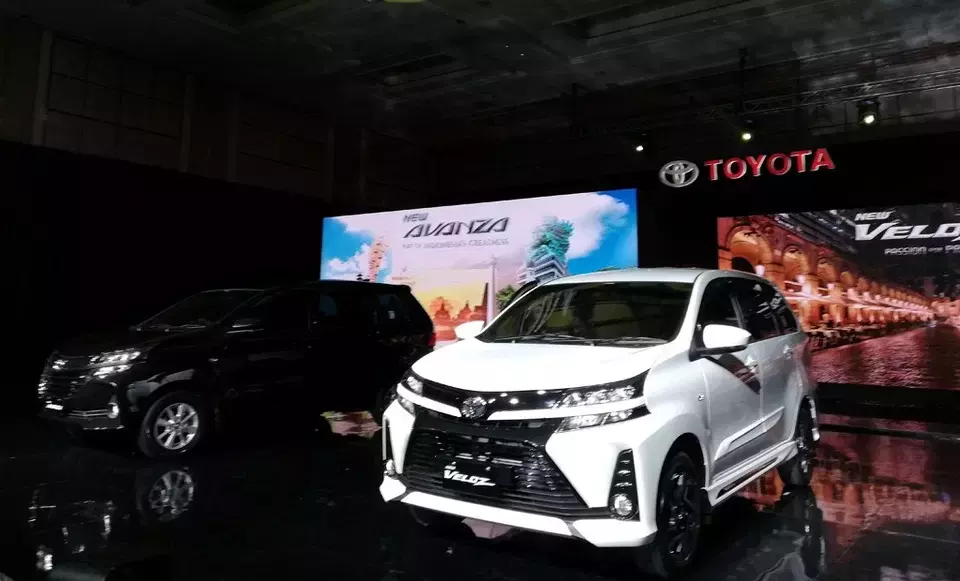
Kukuh Kumara, Secretary General of the Association of Indonesian Automotive Industries (Gaikindo), on Thursday pointed to the Toyota Avanza -- a popular multi-purpose vehicle manufactured in Indonesia -- as an example of the steep tax burden facing domestic consumers.
“The Toyota Avanza is made and sold in Indonesia, but also exported to countries like Malaysia. In Indonesia, the annual ownership tax is Rp 5 million, while in Malaysia, it’s only Rp 500,000 for the same model,” Kukuh said.
He argued that the high tax rates are turning cars into luxury items that are increasingly out of reach for lower- and middle-income buyers. While factory prices remain relatively affordable, taxes and other levies significantly inflate the final retail cost.
“For example, a car priced at Rp 100 million when it leaves the factory ends up costing Rp 150 million at the dealership. That Rp 50 million difference is almost entirely due to taxes,” he explained.
Kukuh also warned that rising vehicle prices are not in line with consumer purchasing power. While average middle-class incomes are growing at just 3 percent per year, car prices are increasing at a rate of 7.5 percent annually.
“This growing gap is making it harder for consumers to afford new vehicles and is starting to weigh heavily on national auto sales,” he said.
Indonesia’s car sales reached only 865,000 units in 2024 -- a figure Kukuh believes could decline further this year. He cautioned that sustained weakness in the market could ripple through the entire automotive supply chain.
“Even if the automakers manage to stay afloat, what will happen to our parts suppliers if this trend continues?” he said.
Tags: Keywords: as a preferred
Related Articles

Indonesia Expects Auto Sales to Top 850,000 Units in 2026 as Market Recovers
Indonesia expects auto sales to top 850,000 units in 2026 as production and wholesale deliveries rebound, signaling a recovery in domestic d
Indonesia's Auto Industry Says Diesel Vehicles Ready for B50
Indonesia's automakers say B50 biodiesel is safe for diesel vehicles as the government targets a nationwide rollout by Oct. 1.
Chinese Car Sales Jump 72% in Indonesia Amid EV Boom
Chinese automakers posted a 72% sales jump in Indonesia, driven by strong demand for electric vehicles.
Stronger Car Sales in Indonesia Not a Sign of Middle-Class Recovery
Indonesia auto sales rose 12% in early 2026, but recovery in middle-class consumption remains uneven, says Permata Bank.
Indonesia Car Sales Jump 12% as EV Demand Accelerates
Indonesia’s car sales climbed 12% in early 2026 as EV demand surged, helping Chinese brands gain ground against Astra.The Latest

Students Plan Jakarta Protests to Mark Two Years of Prabowo's Presidency
Police have advised the public to avoid areas around the House of Representatives complex, the National Monument and the State Palace.
UN Boss Commends Indonesian Forest Protection Despite Persistent Haze Problem
Outgoing UN boss António Guterres' comment comes at an ironic time amid Indonesia's struggle with forest fires.
Indonesia Must Benefit Most From Its Minerals: UN Chief
Outgoing UN chief António Guterres says that Indonesia must "retain a far greater share of the economic value" from its minerals.
Chandra Asri Group Receives Trade Finance Excellence Award, Reinforcing Its Role in Indonesia’s Industrial Development
Chandra Asri Group receives the Trade Finance Excellence Award at CIMB Niaga Business Summit 2026.
AEON MALL Deltamas Brings 11 Sports and Creative Competitions to AEONLYMPIC 2026
AEON MALL Deltamas hosts AEONLYMPIC 2026, featuring 11 sports and creative competitions, with more than 3,100 participants.Most Popular
