



Apple Proposes $100M Investment to Lift iPhone 16 Ban in Indonesia
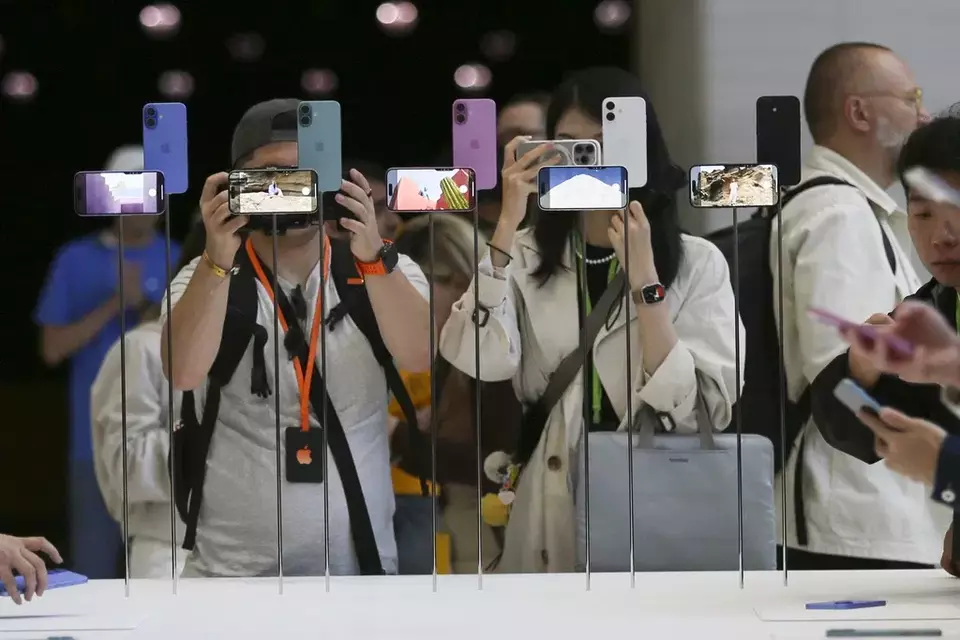
Jakarta. Apple has committed to investing $100 million (approximately Rp 1.57 trillion) in Indonesia to address the government’s ban on the iPhone 16, according to reports by Bloomberg and GSM Arena. This investment is a significant increase from the company’s previous pledge of $10 million (Rp 156.8 billion).
The initial $10 million investment is earmarked for building an accessory manufacturing facility in Bandung, West Java. The new $100 million commitment will be rolled out over two years, with the first phase dedicated to the Bandung facility. Details on the allocation of the remaining $90 million are still unclear. GSM Arena speculates it may involve Apple’s manufacturing partner, Foxconn, potentially setting up an assembly line in Indonesia.
Apple’s proposed investment still falls short of the Rp 1.7 trillion target set by Industry Minister Agus Gumiwang Kartasasmita. The minister has pushed Apple to meet Indonesia’s domestic component level (TKDN) threshold of 35 percent, a requirement for selling the iPhone 16 in the country.
To fulfill the TKDN criteria, Apple has opted for the innovation and development route by expanding its Apple Developer Academy program. The academy currently operates in three locations: BSD in Banten, Sidoarjo in East Java, and Nongsa in Batam. During a recent visit to Indonesia, Apple CEO Tim Cook pledged to open an additional academy in Bali, though the plan has yet to materialize.
The iPhone 16, launched globally in September, is not available for sale in Indonesia due to its failure to meet TKDN requirements. As a result, the Trade Ministry has banned online platforms from listing the device, while the Industry Ministry plans to block the International Mobile Equipment Identity (IMEI) for iPhone 16 units in the country, rendering them unusable.
Despite the restrictions, an estimated 9,000 iPhone 16 units have entered Indonesia between August and October 2024 via individual travelers who paid the appropriate taxes. Similarly, 22,000 Google Pixel devices were brought into the country through personal imports or overseas shipments earlier this year. These devices, however, are only permitted for personal use and are prohibited from being resold.
Neither Apple nor the Ministry of Industry has issued an official response to the ongoing negotiations or the status of the investment.
Tags: Keywords: as a preferred
Related Articles

Who Is Muhammad Sarmuji, Indonesia’s New Industry Minister?
Muhammad Sarmuji brings three terms in the House and years of experience in Golkar to his new role as Indonesia’s industry minister.
Indonesia’s Halal Industry Contributes $61.6 Billion to Manufacturing
Indonesia’s halal industry contributed Rp1,102 trillion to non-oil and gas manufacturing in the first half of 2026.
Apple’s iPhone 18 Pro, Foldable Duo Near Indonesia Launch
Apple’s iPhone 18 Pro and foldable iPhone Duo are moving closer to Indonesia after clearing a key local certification hurdle.
Apple Unveils Its First Foldable Smartphone iPhone Duo
Apple's first foldable comes seven years after Samsung pioneered the category, but the American tech giant is expected to win the market.
Indonesia Denies Reports of Auto Parts Manufacturers Relocating to Vietnam
Indonesia says two automotive component manufacturers remain committed to the country despite reports of a planned relocation to Vietnam.
Indonesia Eases Local Content Certification for Small Industries
Indonesia makes local content certification free and simpler for small industries to boost access to government procurement.The Latest

UN Boss Wants to Fix Security Council as Indonesia Seeks Seat
Outgoing UN chief Guterres says the current permanent member setup at the Security Council fails to reflect today's realities.
Saudi Flagship Investment Conference Pushed to 2027 after Houthi Attacks
The annual Future Investment Initiative (FII), often dubbed "Davos in the Desert", was originally scheduled to take place from October 26-29
Government Sets Aside Rp 1.3 Quadrillion for Final-Quarter Spending
Government spending has reached Rp 2.66 quadrillion, equivalent to 69.2% of the full-year budget target of Rp 3.84 quadrillion.
Indonesia Probes 98 Corporate Wildfire Cases, Including Possible Foreign Links
Police investigate 98 corporate-related wildfire cases, including possible links to investors from neighboring countries.
Students Plan Jakarta Protests to Mark Two Years of Prabowo's Presidency
Police have advised the public to avoid areas around the House of Representatives complex, the National Monument and the State Palace.Most Popular
