



iPhone Prices Could Triple if Made in US, Analysts Warn
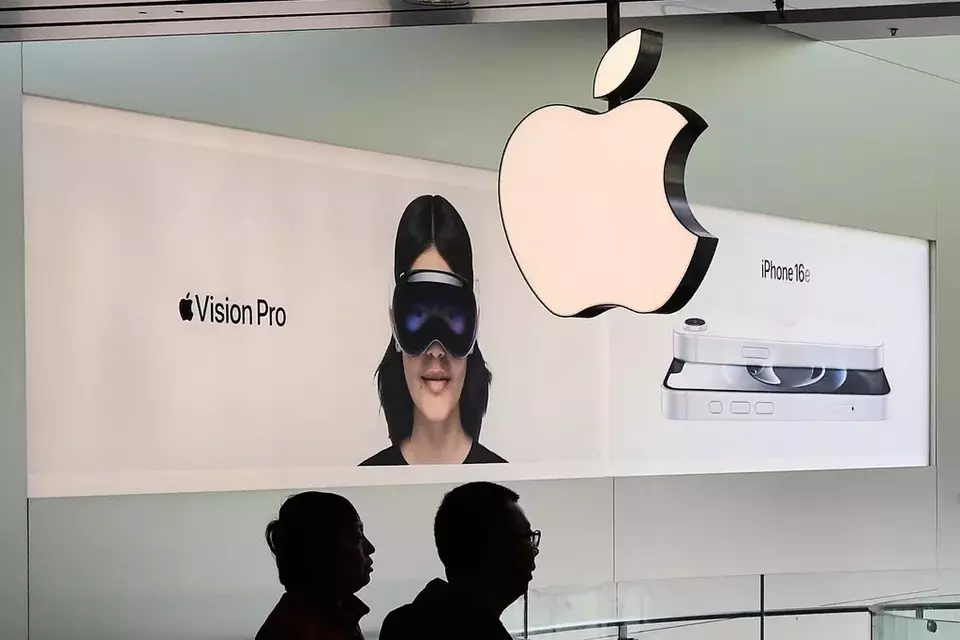
San Francisco. The Trump administration has claimed that its escalating tariffs on China would push Apple Inc. to start manufacturing iPhones in the United States for the first time.
But that scenario remains unlikely—even with US tariffs now reaching 145 percent on products made in China, where Apple has built most of its iPhones since the original model launched 18 years ago.
The obstacles are significant: Apple has spent decades building a complex supply chain in China. Relocating iPhone production to the U.S. would require years of planning, billions in capital investment, and could triple the cost of an iPhone—jeopardizing demand for its flagship product.
"The concept of making iPhones in the US is a non-starter," said Dan Ives, an analyst at Wedbush Securities. He estimated that an iPhone currently selling for $1,000 could cost more than $3,000 if made domestically. Production couldn’t be fully relocated until at least 2028, he said. “Price points would move so dramatically, it’s hard to comprehend.”
Apple declined to comment on Wednesday. The Cupertino, California-based company has not publicly addressed Trump’s new tariffs, but the issue may come up on May 1 when CEO Tim Cook holds a quarterly earnings call with analysts.
The impact of the tariffs is already being felt. Apple shares have dropped 15 percent since the latest tariff hikes began on April 2, wiping out $500 billion in market value.
If the tariffs remain in place, Apple is widely expected to eventually raise prices on its products, given its heavy reliance on supply chains in China, India, and other regions affected by the trade war.
The key question is how long Apple can maintain current pricing before shrinking profit margins force the company to pass the costs to consumers.
Apple does have some cushion. Its services division—generating $96 billion in revenue last fiscal year from subscriptions and software—remains unaffected by the tariffs, said Forrester Research analyst Dipanjan Chatterjee.
“Apple can absorb some of the tariff-induced cost increases without significant financial impact, at least in the short term,” Chatterjee said.
In February, Apple announced plans to spend $500 billion and hire 20,000 workers in the US through 2028—though none of the investment is tied to domestic iPhone production. Instead, the company pledged to build a data center in Houston to support its growing artificial intelligence efforts.
Asked this week whether President Trump believes Apple will start making iPhones in the US, White House Press Secretary Karoline Leavitt pointed to Apple’s investment commitment as evidence. “If Apple didn’t think the United States could do it, they probably wouldn’t have put up that big chunk of change,” Leavitt said.
US Commerce Secretary Howard Lutnick also predicted that the tariffs would eventually force Apple to shift manufacturing stateside. “The army of millions and millions of human beings screwing in little screws to make iPhones—that kind of thing is going to come to America,” Lutnick said on April 6 during a CBS News appearance.
But Apple CEO Tim Cook has long expressed skepticism about the US labor force’s ability to handle such manufacturing. Speaking at a 2017 conference in China, Cook said, “In the US you could have a meeting of tooling engineers and I’m not sure we could fill the room. In China, you could fill multiple football fields.”
Trump similarly pushed Apple to bring iPhone production to the US during his first term. While Apple ultimately escaped tariffs on iPhones at that time, the company began diversifying its supply chain—leading to current iPhone production in India and manufacturing of other products in Vietnam.
Cook also gave Trump a 2019 tour of an Apple plant in Texas, where the company had been assembling some Mac computers since 2013. Afterward, Trump took credit for the facility. “Today I opened a major Apple Manufacturing plant in Texas that will bring high paying jobs back to America,” he posted on Nov. 19, 2019—despite the fact the plant had opened under President Obama.
Tags: Keywords: as a preferred
Related Articles

Apple’s iPhone 18 Pro, Foldable Duo Near Indonesia Launch
Apple’s iPhone 18 Pro and foldable iPhone Duo are moving closer to Indonesia after clearing a key local certification hurdle.
BRICS Indirectly Hits Out at Trump’s Tariffs, WTO Paralysis
BRICS doesn't want to see unilateral tariffs and a paralyzed WTO court system, all of which are linked to the US.
Apple Unveils Its First Foldable Smartphone iPhone Duo
Apple's first foldable comes seven years after Samsung pioneered the category, but the American tech giant is expected to win the market.
Indonesia Denies US Accusation of Chinese Transshipment Scam
Senior minister Airlangga Hartarto says "Indonesia has never done transshipment", when asked about the US report.
US Accuses Indonesia of Helping China Dodge Trump Tariffs
The US accuses Indonesia and dozens of other countries of being part of "China's shadow transshipment network".
ASEAN Hopes for Predictability on Trump’s Tariffs
ASEAN says the region's businesspeople wish for a predictability and certainty as Trump launches a fresh round of tariff hikes.
Indonesia Banks On EU as Trump's 10% Tariff Kicks In
Indonesia wants to fast-track its European Union (EU) trade deal as Jakarta tries to find alternatives to the tariff-agressive US.
US Slaps 10% Tariff on Indonesia over Forced Labor
A new 10% tariff on Indonesia following a forced labor probe will take effect on Friday before noon.
From 32% to 10% to 18%: Indonesia Lives Under Trump's Tariff Uncertainties
Indonesia has been trying to navigate US trade uncertainties, but officials are confident that the tariffs won't derail exports.The Latest

AEON MALL Deltamas Brings 11 Sports and Creative Competitions to AEONLYMPIC 2026
AEON MALL Deltamas hosts AEONLYMPIC 2026, featuring 11 sports and creative competitions, with more than 3,100 participants.
Indonesian Stocks Extend Losses for Third Day, Fall 3.64% to 4,996
Indonesian stocks fell 3.64% on Monday, extending losses for a third straight session amid MSCI concerns and tighter trading limits.
Prabowo Calls Meeting on Forest Fires as Haze Reaches Jakarta, Singapore
Prabowo summons senior officials to discuss forest fires as smoke reaches Jakarta and Malaysia pushes for regional action.
Jakarta Outranks Amsterdam in Global Public Transport Survey
Jakarta climbs two places to 15th in Time Out's 2026 public transport survey, with its governor citing better network integration.
MSCI Concerns, Tighter IDX Trading Rules Send Indonesian Stocks Down 5% by Midday
Indonesian stocks plunge 5% by midday as MSCI concerns weigh on sentiment and the IDX tightens its daily downside limit to 7%.Most Popular
