



Indonesian Researchers Discover Potential Cancer-Fighting Plant in Orangutan Diet Study
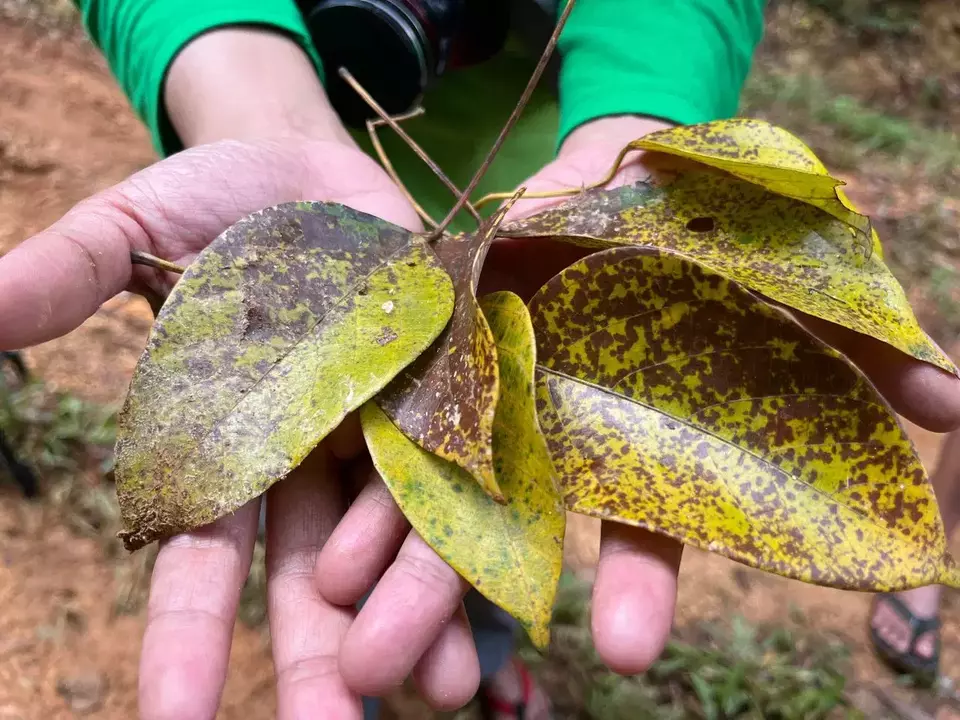
Samarinda. Researchers from Mulawarman University in Samarinda and the Indonesian Nature Conservation Foundation (YKAN) announced on Sunday that they have discovered a native plant with significant potential to treat cancer and diabetes.
The plant, known scientifically as Macaranga conifera and locally referred to as Sange-sange or Sepu, grows abundantly in tropical forests. In addition to its high antioxidant content, it is believed to help fight cancer cells and could potentially serve as a cure for diabetes.
Macaranga conifera is one of several plant species consumed by orangutans. The research team identified its medical potential during a broader study into the various types of plants that orangutans eat.
“We were initially interested in hundreds of orangutan food sources, looking at whether they offer extra nutrition or have medicinal value. Orangutans and humans share many similarities, so we analyzed the compounds in the plants they consume,” said Irawan Wijaya Kusuma, Dean of the Faculty of Forestry at Mulawarman University and a member of the research team.
Promising Compounds
The researchers began by examining 120 plant species, eventually narrowing the list to 60. Among these, Macaranga conifera stood out for its particularly beneficial compounds. It has also been patented as a beauty serum to prevent acne and premature aging.
“From the 60 plant samples, we looked for compounds resembling those found in medicines already on the market. We found that Macaranga conifera has very high antioxidant properties,” Irawan noted.
The study, conducted in partnership with a laboratory at Kyushu University in Japan, involved testing extracts of Macaranga conifera on five types of cancer cells: liver (HepG2), colon (HCT-116), neuroblastoma (SY-Sy5y), breast (MCF-7), and cervical (HeLa).
Irawan highlighted that these findings represent an exciting development in medical science, potentially paving the way for new drug discoveries. However, additional studies and regulatory oversight by the Food and Drug Supervisory Agency (BPOM) are required before Macaranga conifera can be developed into safe and effective medicines or herbal products.
Ecological Importance
Beyond its potential therapeutic applications, Macaranga conifera holds high ecological value as a food source for orangutans in the Wehea Protected Forest, which teems with biodiversity and rare wildlife. This plant commonly grows in open areas or newly cleared forests, making it readily available.
Arif Rifki, an endangered species conservation specialist at YKAN, noted that Macaranga conifera is a pioneer plant typically found along riverbanks or in recently deforested regions.
“Because it grows in abundance, humans don’t need to compete with orangutans for Macaranga conifera,” he said. “It is produced naturally in open or stressed environments, so it’s both easy to find and does not interfere with orangutan feeding needs.”
Tags: Keywords: as a preferred
The Latest

Prabowo Calls Meeting on Forest Fires as Haze Reaches Jakarta, Singapore
Prabowo summons senior officials to discuss forest fires as smoke reaches Jakarta and Malaysia pushes for regional action.
Jakarta Outranks Amsterdam in Global Public Transport Survey
Jakarta climbs two places to 15th in Time Out's 2026 public transport survey, with its governor citing better network integration.
MSCI Concerns, Tighter IDX Trading Rules Send Indonesian Stocks Down 5% by Midday
Indonesian stocks plunge 5% by midday as MSCI concerns weigh on sentiment and the IDX tightens its daily downside limit to 7%.
Jakarta Prepares 367 Health Facilities as Haze Reaches the Capital
Jakarta prepares 367 health facilities to treat potential haze-related illnesses after smoke from Sumatra and Kalimantan crosses the region.
Jakarta Expands Flood Prevention With New Water Storage Ponds
Jakarta opens two East Jakarta water storage ponds as it expands flood prevention efforts through reservoirs and river normalization.Most Popular
