



2026 Minimum Wage Decision Stalled: Workers, Employers Brace for Major Overhaul
November 21, 2025 | 9:31 pm
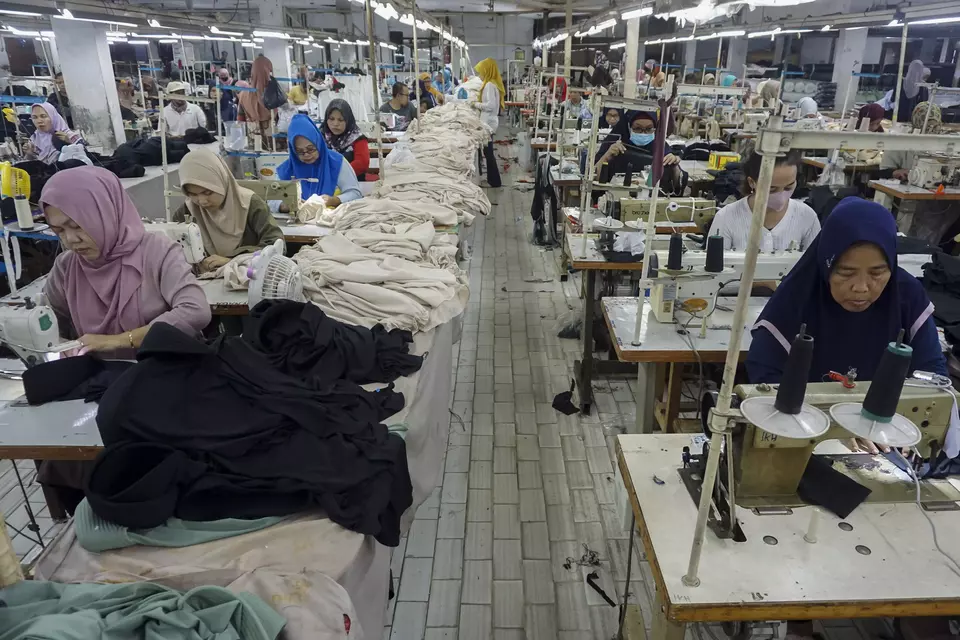
Jakarta. The Manpower Ministry will bring in governors, mayors, and regents to discuss the country’s new provincial minimum wage (UMP) formula for 2026, aiming to ensure that wage decisions reflect the varied economic realities across regions. The move follows growing pressure from labor unions, employers, and several provincial administrations as the government attempts to balance worker welfare with investment stability.
Deputy Manpower Minister Afriansyah Noor said the government has been collecting input from both workers’ groups and business associations ahead of formulating a revised wage regulation.
“The government under President Prabowo Subianto will certainly protect the rights of workers while ensuring businesses can continue to operate and invest in Indonesia,” Afriansyah told Beritasatu TV on Friday.
A national meeting with regional leaders is scheduled for early next week to finalize the technical details behind wage adjustments, which will be tied closely to regional inflation levels.
“On Monday, we will invite all regional heads for discussions. Decisions at the provincial and district levels must reflect each region’s inflation,” he said.
Afriansyah urged all stakeholders to respect the ongoing deliberation process and deliver their aspirations constructively. While he did not specify the expected percentage increase, he confirmed that the final decision would be announced next week.
The Manpower Ministry is currently drafting a revised wage regulation that introduces additional variables designed to narrow wage disparities between regions while ensuring affordability for industries under global economic pressure.
“Some regions still have much lower wages than others. These new variables will account for the cost of living and other regional conditions,” he said. He added that the formula must also protect labor-intensive sectors that remain vulnerable to external shocks.
The announcement of the 2026 provincial minimum wage was originally scheduled for Friday but was postponed as the government works to align the new formula with a recent Constitutional Court ruling. One contentious issue is the elimination of sectoral minimum wages (UMSP). After the court rejected labor unions’ request to revive UMSP, the Indonesian Employers Association (Apindo) reiterated that sectoral wages were no longer relevant to the country’s fast-evolving industries.
“Sectoral wages no longer match industrial developments. Many sectors have changed rapidly, and employers cannot continue bearing differing sectoral wage burdens,” said Bob Azam, chair of Apindo’s National Wage Council. He said performance-based pay structures were more appropriate than sector-based minimum wages.
Local Governments Urged to Follow the Rules
The Home Affairs Ministry has emphasized that regional governments must strictly follow the official formula when determining wages. Benny Irwan, director general of regional autonomy, said governors must not introduce additional components outside the formula.
“Local governments must comply with regulations. Wage decisions must be objective and legal,” he said.
Several regions have already begun consultations with their wage councils. In Central Java, the council confirmed that the region would strictly follow the national formula and would not allow additional increases.
But workers argue that wages in Central Java remain too low. “The increases do not match daily living costs,” said Rini, a factory worker.
Yogyakarta, which has the lowest monthly minimum wage in Indonesia at Rp 2.06 million ($123) in 2024, remains a contentious point. Workers continue to demand a substantial wage hike in the coming years.
“Wages in Jogja are too small and far from enough to live on,” said Badri, a hotel worker.
Meanwhile, businesses in Yogyakarta urged the government to keep wage increases moderate, citing economic pressures in the tourism sector.
In South Sulawesi, labor unions are demanding a 10.5 percent increase, arguing that living costs have surged in Makassar. Employers strongly oppose the proposal.
“If wages rise by more than 10 percent, many companies will collapse,” said a garment factory owner.
Industrial regions such as Bekasi, Serang, and Tangerang have also seen demonstrations rejecting the 3.5 percent wage increase proposed earlier. “A three percent increase is meaningless—it’s only symbolic,” said Suroto, a worker in Cikarang.
Home Affairs Minister Tito Karnavian explained earlier that the government delayed the wage announcement to ensure the new formula is evidence-based and reflects each region’s economic structure. The government is also considering insights from Apindo, Kadin, and labor unions
 as a preferred
Related Articles

Apindo Warns Labor Bill Could Stall Investment, Job Creation
Apindo warns Indonesia’s proposed labor bill could deter investment and business expansion, slowing formal job creation.
Businesses Back Mandatory Halal Rules, Warn of Rising Compliance Costs
Businesses support Indonesia’s mandatory halal rules but urge simpler certification and lower compliance costs to protect MSMEs and consumer
Suahasil Told to Avoid Business Cost Hikes, Tax Refund Delays
Businesses have laid out their wishlist for the newly appointed Finance Minister Suahasil Nazara.
Businesses Seek Predictable Rupiah as Prabowo Sets 2027 Economic Targets
Indonesian businesses urge the government to keep the rupiah stable in 2027 to support investment, costs and business expansion.
Indonesia’s Economy Grows 5.29%, But Businesses Still Feel the Squeeze
Indonesia’s economy grew 5.29% in Q2, but employers warn high costs and weak demand are keeping businesses on the defensive.
Business Group Calls for Deregulation to Stem Job Cuts
Apindo says deregulation and lower business costs are needed to address the root causes of layoffs and support economic recovery.
Ceramic Industry Troubles Put 55,000 Jobs on the Line
KSPSI warns 55,000 workers could lose their jobs within days as industrial gas shortages squeeze ceramic manufacturers.
Data Leak Fears Plague Indonesian Firm Annual Reporting Rule
Limited liability companies must submit their annual reports to a ministry-run system, sparking fears over data leaks.
Exporters Endorse State Export Agency DSI, Seek Gradual Rollout
Indonesia’s leading business groups backed Prabowo’s export reform plan while calling for a gradual and transparent rollout.
Rupiah Slide Pushes Indonesian Firms Into Cost-Cutting Mode
Companies boost hedging, cut spending, and seek local suppliers as rupiah weakness hits operations.The Latest

Prabowo Calls Meeting on Forest Fires as Haze Reaches Jakarta, Singapore
Prabowo summons senior officials to discuss forest fires as smoke reaches Jakarta and Malaysia pushes for regional action.
Jakarta Outranks Amsterdam in Global Public Transport Survey
Jakarta climbs two places to 15th in Time Out's 2026 public transport survey, with its governor citing better network integration.
MSCI Concerns, Tighter IDX Trading Rules Send Indonesian Stocks Down 5% by Midday
Indonesian stocks plunge 5% by midday as MSCI concerns weigh on sentiment and the IDX tightens its daily downside limit to 7%.
Jakarta Prepares 367 Health Facilities as Haze Reaches the Capital
Jakarta prepares 367 health facilities to treat potential haze-related illnesses after smoke from Sumatra and Kalimantan crosses the region.
Jakarta Expands Flood Prevention With New Water Storage Ponds
Jakarta opens two East Jakarta water storage ponds as it expands flood prevention efforts through reservoirs and river normalization.Most Popular
