



Indonesia to Impose Sugary Drink Tax in July 2025 to Tackle Diabetes Surge
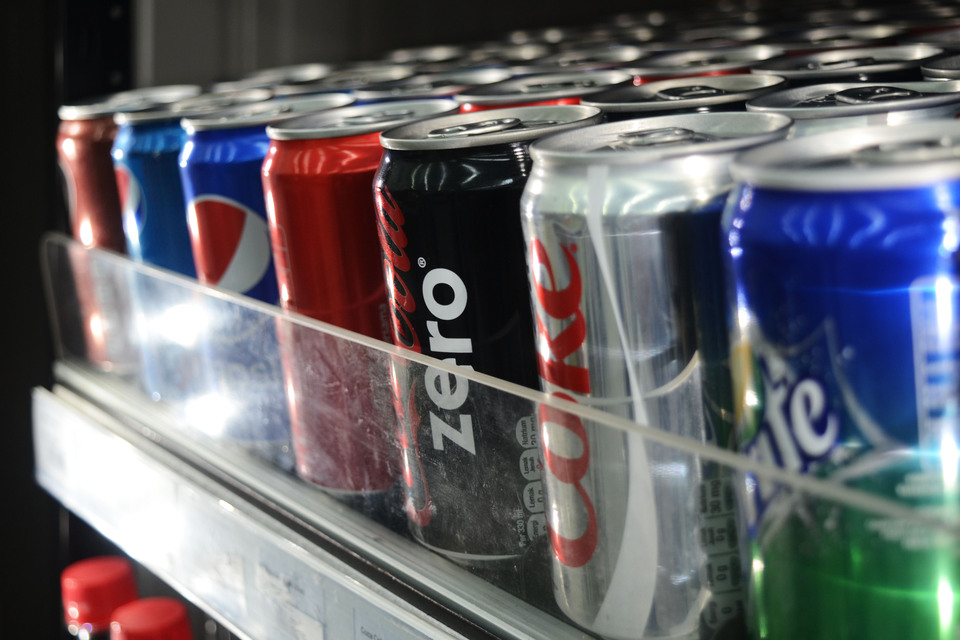
Jakarta. Indonesia plans to introduce an excise tax on sugary packaged beverages starting July 2025, aiming to curb excessive sugar consumption and address rising health concerns, the Finance Ministry announced.
“The excise on sugary beverages is slated for implementation in the second half of 2025,” Nirwala Dwi Heryanto, spokesperson for the Directorate General of Customs and Excise, said during a press conference in Jakarta on Friday.
Nirwala clarified that the policy is not designed to boost state revenue but to regulate sugar consumption amid escalating diabetes rates. “The focus of this tax is to control additional sugar consumption,” he explained.
According to data from the Health Ministry, over the past decade, the prevalence of diabetes in Indonesia has doubled to 10 percent, affecting 28 million people in a population of 280 million. Deputy Health Minister Dante Saksono Harbuwono noted that 28.7 percent of Indonesians exceed recommended sugar, salt, and fat intake levels, while 95.5 percent consume insufficient fruits and vegetables. Additionally, 35.5 percent of the population does not engage in adequate physical activity.
“Sweetened beverages are among the leading risk factors for non-communicable diseases. This excise tax is a vital step in mitigating such risks,” Dante said during a health policy forum in Jakarta.
The tax will classify beverages based on sugar content, production processes, and other criteria to determine applicable rates. Coordination between the Health Ministry and the Finance Ministry is ongoing to finalize the structure.
Projected to generate Rp 6.25 trillion ($385.24 million) in revenue, the policy is regulated under Government Regulation (PP) No. 28/2024, which implements Law No. 17/2023 on Health.
Telisa Aulia Falianty, an economist from the University of Indonesia, said various proposals have been made regarding the excise rate. The State Financial Accountability Agency (BAKN) of the House of Representatives has suggested a 2.5 percent excise rate, while the government has proposed fixed rates: Rp 1,500 per liter for packaged sweetened drinks such as soft drinks, bottled tea, and energy drinks, and Rp 2,500 per liter for concentrates or extracts like syrups.
The regulation, currently in its final stage, is being disseminated to stakeholders to ensure smooth implementation. “The academic studies have been completed, and we’re ready to execute the policy this year once it is signed off,” Dante said.
Tags: Keywords: as a preferred
Related Articles

Indonesia Weighs Gradual Nutri-Level Rollout as Child Health Concerns Grow
Indonesia plans gradual Nutri-label rollout amid industry hurdles, as officials push faster action on sugar tax and child health risks.The Latest

Court Hears of $5,000 Fee for Expedited Hajj Slots in 2023
A former Religious Affairs Ministry staffer testified that 181 pilgrims paid $5,000 each for expedited hajj departures in 2023.
Five Journalists Reported Missing While Covering Anak Krakatau Eruption
Five journalists and two boat crew members are missing after losing contact while covering the Anak Krakatau eruption off Banten.
Trump Tariffs Cripple EU Firms’ Confidence in ASEAN
As many as 81% of the surveyed European businesses admit that the US tariffs had weakened their confidence in ASEAN.
Rupiah Strengthens to Rp17,632 on Reserve Boost
The rupiah rose 0.05% to Rp17,632 as higher foreign exchange reserves offset geopolitical risks and US inflation concerns.
Stocks Climb 1% as Indonesia’s Reserves, Airport Operations Recover
Indonesian stocks rose 1% as stronger foreign reserves and airport reopenings lifted domestic market sentiment.Most Popular
