



What to Know About Trump’s Tariffs and Their Impact
Washington. US President Donald Trump’s long-threatened tariffs have taken effect, escalating trade tensions with China, Canada, and Mexico.
Trump imposed a 25 percent tariff on imports from Canada and Mexico on Tuesday, along with a 20 percent levy on Chinese goods. In response, all three countries announced retaliatory measures.
Experts say businesses and consumers will bear the brunt of these tariffs. Companies, both large and small, will face higher costs on imported goods, which could lead to price hikes. For consumers, this means potentially higher prices on cars, appliances, electronics, gasoline, groceries, and other everyday products.
How Are Canada, Mexico, and China Responding?
All three countries have announced countermeasures.
China is imposing tariffs of up to 15 percent on key US agricultural exports, including chicken, pork, soybeans, and beef. It has also expanded export restrictions on US companies.
Canadian Prime Minister Justin Trudeau said his country would impose tariffs on more than $100 billion worth of US goods over 21 days. Meanwhile, Mexican President Claudia Sheinbaum stated that Mexico will impose retaliatory tariffs but will wait until Sunday to announce specifics—suggesting a possible attempt to de-escalate the trade war.
“All economies involved will see a decline in real GDP and rising consumer prices,” said Wendong Zhang, assistant professor of applied economics and policy at Cornell University. He noted that Canada and Mexico will suffer more than the US due to the American economy’s size and the strength of the dollar. Zhang estimated the combined tariffs could lead to a 0.4 percent loss in US GDP—over $100 billion.
While the tariffs may be temporary if the US economy weakens, Trump could impose further tariffs on countries like India and European Union nations, adding more uncertainty to the global economy.
What Is the Impact on US Businesses?
Manufacturers and retailers across various industries are feeling the effects.
“International trade is critically important to our business and industry,” Best Buy CEO Corie Barry said on an earnings call Tuesday. “China and Mexico are the top two sources for the products we sell.”
At Target, sales and profits slipped during the holiday season as customers pulled back on spending. CEO Brian Cornell warned that the company will face “meaningful pressure” in early 2025 due to tariffs and other costs.
Automakers are also at risk, as supply chains rely on parts from China, Canada, and Mexico.
What Impact Will the Tariffs Have on Consumers?
Tariffs on Chinese imports could increase prices on a range of products, including cellphones, toys, and clothing.
Some businesses are stockpiling goods or shifting manufacturing to countries unaffected by tariffs. However, these adjustments are challenging, and even “Made in USA” products often rely on imported materials, such as plastics and packaging from China.
“When it comes to consumer electronics, we expect vendors across our assortment to pass along some level of tariff costs to retailers, making price increases for American consumers highly likely,” Barry said.
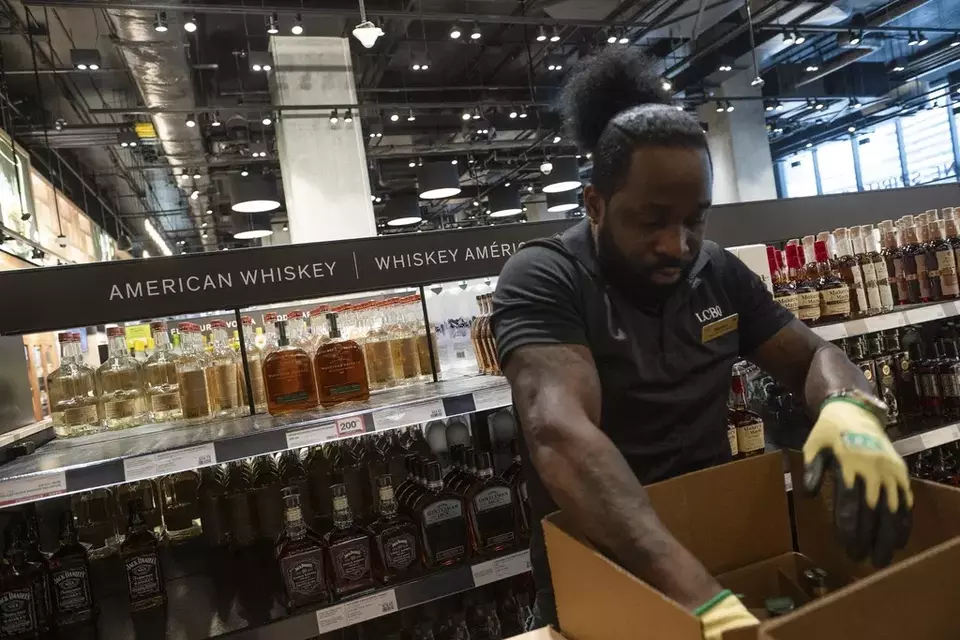
Shoppers could also see price hikes on groceries, as the US imports billions of dollars in fruits and vegetables from Mexico and Canada. Alcoholic beverages such as tequila, mezcal, and whiskey may also become more expensive.
“Tariffs add another layer of cost considerations for consumers,” Zhang said, noting that they come on top of inflationary pressures, such as rising egg prices due to avian flu.
When Will Consumers See Higher Prices?
Price increases will depend on the type of product, but perishables will be among the first to be affected.
Retailers rely heavily on imported produce, especially during colder months. Shoppers could see higher prices on items like avocados from Mexico within days, Cornell said.
However, the full impact remains uncertain. “Things are unfolding quickly,” Cornell added. “We don’t want to overreact to one day or one headline.”
 as a preferred
Related Articles

Indonesia’s US Trade Surplus Defies Tariffs, but Economists Warn Risks Remain
Indonesia posted a $12.47 billion surplus with the US in January-August 2026, up from $12.26 billion a year earlier.
US Defends Tariffs on ASEAN Amid $327.4 Billion Deficit
US says it wants to "bring reciprocity and balance" to its ASEAN trade ties amid double-digit tariff hikes.
Trump Tariffs Cripple EU Firms’ Confidence in ASEAN
As many as 81% of the surveyed European businesses admit that the US tariffs had weakened their confidence in ASEAN.
'We Don't Export Plastic to US': Indonesia on ‘False’ Transshipment Scam Claims
Indonesia denies enabling Chinese goods, namely plastic packaging, avoid Trump's tariffs.
US Accuses Indonesia of Helping China Dodge Trump Tariffs
The US accuses Indonesia and dozens of other countries of being part of "China's shadow transshipment network".
ASEAN Hopes for Predictability on Trump’s Tariffs
ASEAN says the region's businesspeople wish for a predictability and certainty as Trump launches a fresh round of tariff hikes.
Indonesia in Talks with US for 0% Tariff on Palm Oil
Indonesia is in talks with the US to have its palm oil exempted from the latest tariff measure.
Indonesia Banks On EU as Trump's 10% Tariff Kicks In
Indonesia wants to fast-track its European Union (EU) trade deal as Jakarta tries to find alternatives to the tariff-agressive US.
Indonesia Hopes US Tariff-Free Promises Stay as New Levy Hits
The US has opened up the possibility of tariff reductions for a certain volume of Indonesian textiles in the latest trade measure.
Tariff-Free Indonesian Palm Oil to Keep Dominance in US
Indonesia will not lose its market dominance to rival producer Malaysia ahead of a Section 301 tariff exemption.The Latest

Ye Concert, Other Events to Draw 130,000 to GBK, Here’s What to Know
Around 130,000 visitors are expected at Jakarta’s GBK on Saturday as Ye’s concert and several major events take place.
Indonesia Allocates Rp 722 Billion for Year-End Flight Ticket Tax Relief
Indonesia allocates Rp 722 billion to cover domestic flight ticket VAT during the 2026/2027 Christmas and New Year holidays.
Greece Floats Shipbuilding Partnership with Indonesia
Greece says that it possesses “extensive expertise” as it woos Indonesia in shipbuilding partnership.
Indonesian Stocks Rally 4.9%, but Foreign Investors Keep Selling
Indonesia’s JCI rose 4.9% last week, but foreign selling and MSCI downgrade risks continue to cloud the market outlook.
Ye Concert in Jakarta to Deploy 2,000 Security Personnel
More than 2,000 personnel will secure Ye’s Jakarta concert on Saturday, as organizers urge fans to use public transport.Most Popular
