



‘We Might Lose Our Customers’: Gov’t Told to Cut Palm Oil Export Duty as US Tariff Looms
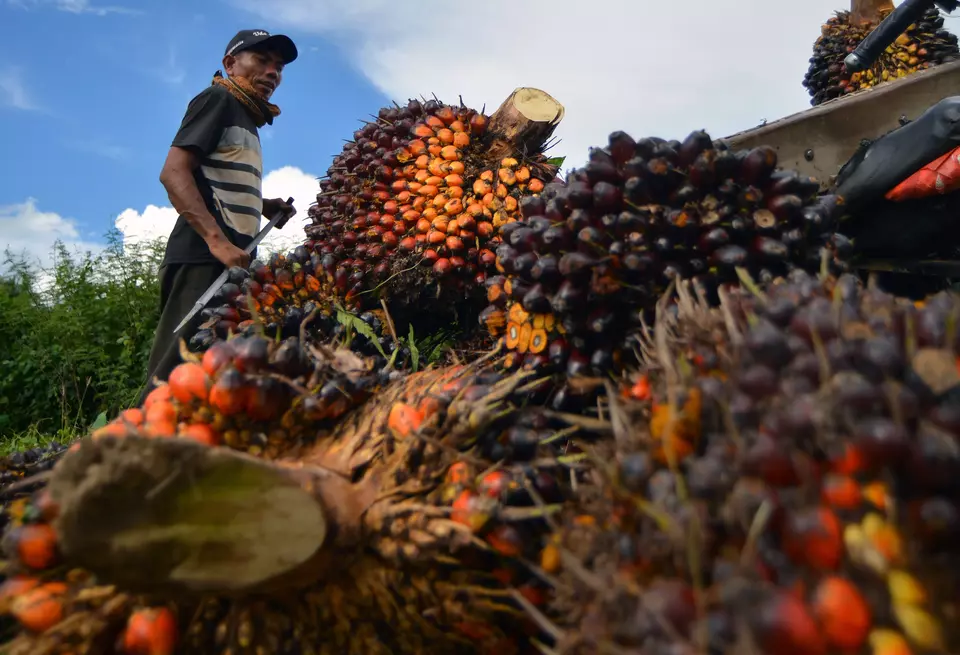
Jakarta. Indonesian palm oil producers are hoping that the government will slash the duty on US-bound exports, saying that such cuts would be necessary if Jakarta does not want to lose its customers following the recent tariff blitz.
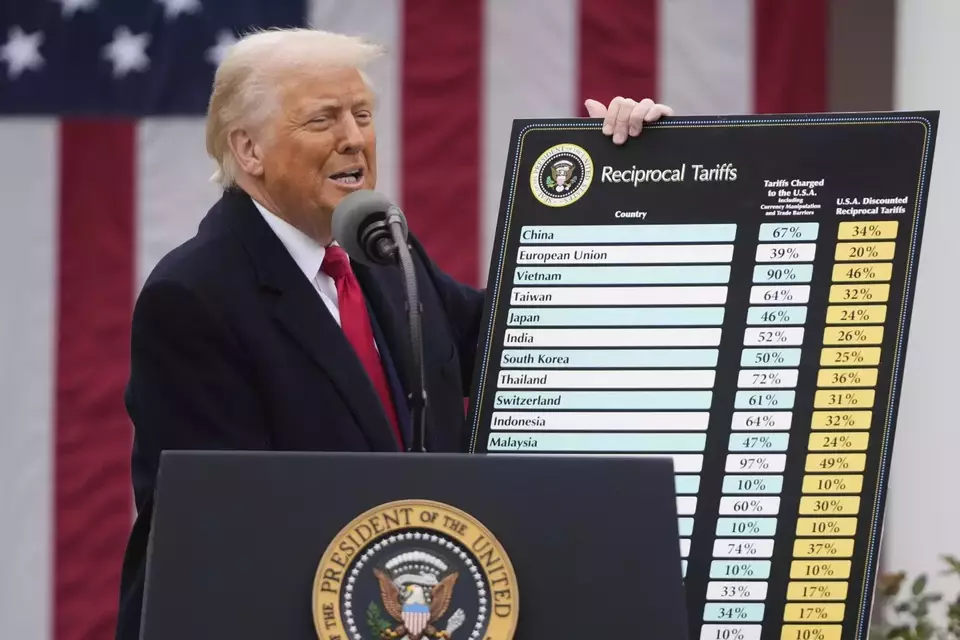
US President Donald Trump kicked off the month by unveiling expansive tariffs on imports from countries around the world. The rates differ by country with the US administration slapping a 32 percent levy on Indonesian goods. The Trump administration claimed they were just trying to reciprocate Jakarta’s unfair trade policies. The new import taxes were supposed to bite starting on April 9. Trump later abruptly suspended them by 90 days after countries rushed to him to negotiate the tariffs. Despite the delay, a baseline add-on tariff of 10 percent on all imports remains in place. Amidst all the chaos, Indonesia’s palm oil industry remains restless.
Indonesian Palm Oil Association (Gapki) revealed that producers already had to deal with a huge burden even before the tariff fiasco. To be able to sell overseas, Indonesian palm oil producers have to allocate a portion of their output to meet local demand as part of a policy better known as the domestic market obligation (DMO). They have to pay export levy to the national palm oil plantation funding agency BPDP, coupled with the export duty charged by the Finance Ministry.
All these cost producers around $221 per metric ton, double the $140 per metric ton that their Malaysian counterparts have to pay to be able to export, Gapki’s chairman Eddy Martono told the Jakarta Globe.
“We are leading in the global palm oil production, seconded by Malaysia. But it does not mean we can rest on our laurels. Because not only do Malaysian producers enjoy lower export costs, they are only getting a 24 percent reciprocal tariff from the US,” Eddy recently said on the sidelines of a business forum in Jakarta.
Eddy claimed that Indonesia held 82 percent of the palm oil market share in the US. But the steep tariffs and export duties might cause Indonesian palm oil prices to soar when sold in the US. This will likely prompt American customers to prefer buying from other countries like Malaysia. Eddy also warned that Latin American nations -- whose production is on the rise -- might even take over some of Indonesia’s market.
“We are actually on track to be able to export 3 million tons of palm oil to the US annually in the coming years. … But we need to have that special treatment of slashed export costs if we don’t want to lose our customers to others,” Eddy said.
Gapki reported that Indonesia exported 2.2 million tons in 2024, down from 2.5 million tons recorded the previous year. The exports were worth $2.9 billion in 2024. According to economic think-tank INDEF, Indonesia sells about 14.8 percent of its refined palm oil exports to the US, meaning that Washington is not the only market for this industry. Its dependence on the US market is far lower than other goods like photovoltaic cells (98.2 percent) and whiteleg shrimp (82.5 percent).
Tags: Keywords: as a preferred
Related Articles

Airlangga Says Indonesia Won’t Face US Tariffs Over Russian Oil
Airlangga says Indonesia won’t face US tariffs over Russian oil bought within an allowed window.
Indonesia’s Export Duty Receipts Up 34.4% Thanks to Palm Oil
Indonesia has been collecting export duties on palm oil shipments to stabilize prices and grow its state revenue.
Lower US Tariffs Open Market Opportunity for Indonesian Shrimp
Indonesian shrimp exporters see room to expand in the US as tariffs remain lower than those imposed on India and Vietnam.
Indonesian Palm Oil Producers Fear FX Lock-Up’s Effect on Liquidity
Beyond the foreign exchange rule, the palm oil industry is also facing other costs, including export levies and duties.
Indonesian Stocks Bounce Back as Investors Eye Fed Verdict, Fresh US Tariff Threats
Indonesian stocks opened higher as investors awaited the Fed decision, BI governor succession, and monitored fresh US tariff risks.
Oil Surge, US Tariffs Knock Indonesian Stocks Nearly 2% Lower
Indonesian stocks slid 1.9% as Brent crude climbed above $100 a barrel and new US tariffs fueled inflation and growth concerns.
Indonesia's B50 Biodiesel Program Could Cut Palm Oil Exports by $2.7 Billion
The mandatory fuel blend, which raises the palm oil content in biodiesel to 50%, began phased implementation on July 1.
Pakistan Asks Indonesia to Ease Export Levy on Palm Oil
Palm oil makes up a huge bulk of Indonesia’s exports to Pakistan.
US Tariff Uncertainties Haunt Indonesia’s Footwear Industry
US tariff uncertainties still haunt the Indonesian footwear industry as businesses keep their fingers crossed for lower trade.
Weak Rupiah Seen Boosting Indonesia’s Palm Oil Export Earnings
Indonesia’s palm oil industry expects stronger export earnings this year as a weaker rupiah boosts revenue in local currency terms.The Latest

Chandra Asri Group Receives Trade Finance Excellence Award, Reinforcing Its Role in Indonesia’s Industrial Development
Chandra Asri Group receives the Trade Finance Excellence Award at CIMB Niaga Business Summit 2026.
AEON MALL Deltamas Brings 11 Sports and Creative Competitions to AEONLYMPIC 2026
AEON MALL Deltamas hosts AEONLYMPIC 2026, featuring 11 sports and creative competitions, with more than 3,100 participants.
Indonesian Stocks Extend Losses for Third Day, Fall 3.64% to 4,996
Indonesian stocks fell 3.64% on Monday, extending losses for a third straight session amid MSCI concerns and tighter trading limits.
Prabowo Calls Meeting on Forest Fires as Haze Reaches Jakarta, Singapore
Prabowo summons senior officials to discuss forest fires as smoke reaches Jakarta and Malaysia pushes for regional action.
Jakarta Outranks Amsterdam in Global Public Transport Survey
Jakarta climbs two places to 15th in Time Out's 2026 public transport survey, with its governor citing better network integration.Most Popular
