



Thrifting Kills Textile Industry as Used Clothing Import Jumps 518.5 pct
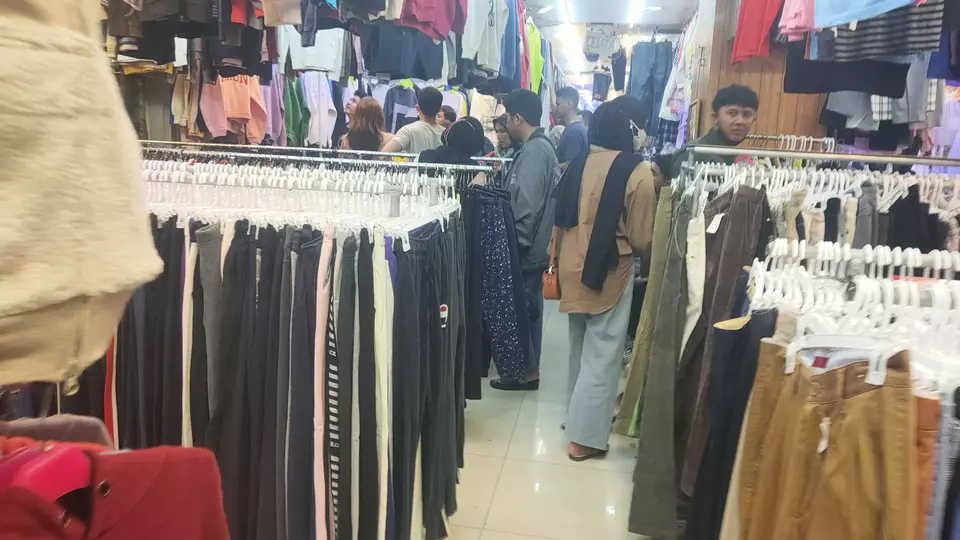
Jakarta. Thrift shopping, the practice of buying used items, has become a bane for Indonesia’s textile industry, as imports of used clothing rise dramatically.
The National Statistics Agency reported that secondhand clothing imports jumped 277.75 percent from 8 tons in 2021 to 26.22 tons last year. The used clothes imports in 2022 were also worth $272,146, up 518.5 percent from $44,000 in 2021. The figures are likely to be higher as many products enter Indonesia via illegal means through small ports in the country.
“Our market is huge, but we are getting a lot of imported products. This can deal a fatal blow on the domestic industry,” Tauhid Ahmad, the executive director at the Institute for Development of Economics and Finance (Indef), told Jakarta Globe’s sister publication Investor Daily in Jakarta on Sunday.
The local textile industry today has to deal with a myriad of problems. It is suffering from a decline in exports but is also competing with imports that are cheaper and more attractive in design. And now it is up against imported used clothing that has significantly lower prices, according to Tauhid.
“The government must immediately implement stringent law enforcement to save the national textile and textile product industry. Particularly by taking measures on the importers and the merchants, because it would relatively be more difficult if [those measures] are aimed for consumers,” Tauhid said.
Read More: Used Shoe Trader Thinks He Helps Improve People’s Appearance
No Trouble with Import
The Trade Ministry has issued regulations that forbid secondhand clothing imports.
The Trade Law mandates importers to only bring brand new goods unless otherwise determined by the central government. The Job Creation Law reiterates that they are prohibited from importing goods that are prohibited from being imported to Indonesia. Any importer who violates the prohibition can face up to five years of imprisonment and/or maximum monetary fines of Rp 5 billion (around $324,848). Even so, many sellers do not find any trouble importing second-hand clothing.
A used clothing seller at Senen Market, who preferred to remain anonymous, said that it was easy to get imports from South Korea, China, Japan, and Australia.
“We never had any raids here. If it is prohibited, then all these stores would have been closed a long time ago. But take a look, the majority of the merchants here are selling used clothing,” the source said on Saturday.
Ghofur, a fellow used clothing seller at Pasar Senen, said that the secondhand clothing sold at Pasar Senen in the past entered the country via the Tanjung Priok Port in North Jakarta, but not anymore.

Law Enforcement
The Indonesian Textile Association (API) is calling for more stringent law enforcement against secondhand clothing import violations.
“We already have regulations on the import bans for used clothing, so we are hoping for stricter enforcement. Because today we are still seeing many people sell imported secondhand clothing at traditional markets or online marketplaces. This must be regulated,” API chairman Jemmy Kartiwa said.
According to Jemmy, the trade of imported secondhand clothing also affects the small and medium industry sector the most as they begin to take over the latter’s market. If the government does not act fast, the revenue stream and availability of jobs within the industry will only get smaller.
Read More: Merdeka Battery to Manage One of World’s Biggest Nickel Mines
Tags: Keywords: as a preferred
Related Articles

Indonesia Targets Integrated Textile Industry with Rp 100 Trillion Investment
The initiative is part of a broader strategy to consolidate existing manufacturers and strengthen their competitiveness.
Indonesia’s Textile Sector Employs 4 Million with Room for Further Expansion
Indonesia’s textile industry employs around 4 million people and generates $12 billion in annual exports.
Prabowo Meets BRIN Chief, Ministers to Boost Textile, Footwear Industries
Prabowo meets BRIN chief and ministers to discuss research-driven efforts to strengthen Indonesia’s textile and footwear industries.
Indonesia’s Textile Industry Runs Far Below Capacity Amid Import Pressure
Indonesia’s textile industry eyes export growth and Muslim fashion opportunities despite low utilization and import pressure.
Indonesia's Sportswear Market Projected to Hit $3.3 Billion by 2030
Indonesia's sportswear market is projected to reach Rp 58.6 trillion by 2030, creating new opportunities for local manufacturers.The Latest

Chandra Asri Group Receives Trade Finance Excellence Award, Reinforcing Its Role in Indonesia’s Industrial Development
Chandra Asri Group receives the Trade Finance Excellence Award at CIMB Niaga Business Summit 2026.
AEON MALL Deltamas Brings 11 Sports and Creative Competitions to AEONLYMPIC 2026
AEON MALL Deltamas hosts AEONLYMPIC 2026, featuring 11 sports and creative competitions, with more than 3,100 participants.
Indonesian Stocks Extend Losses for Third Day, Fall 3.64% to 4,996
Indonesian stocks fell 3.64% on Monday, extending losses for a third straight session amid MSCI concerns and tighter trading limits.
Prabowo Calls Meeting on Forest Fires as Haze Reaches Jakarta, Singapore
Prabowo summons senior officials to discuss forest fires as smoke reaches Jakarta and Malaysia pushes for regional action.
Jakarta Outranks Amsterdam in Global Public Transport Survey
Jakarta climbs two places to 15th in Time Out's 2026 public transport survey, with its governor citing better network integration.Most Popular
