



Rural Cooperative Drive Sparks Auto Import Dispute and Retail Tensions
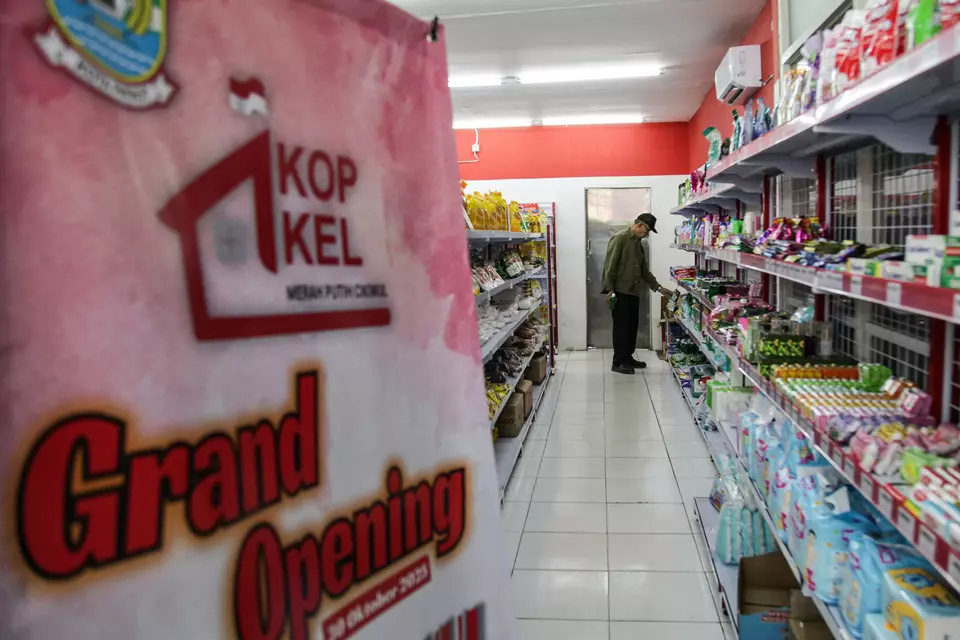
Jakarta. The rapid formation of tens of thousands of rural cooperatives is creating ripple effects far beyond the countryside, unsettling Indonesia’s automotive industry and reigniting debate over modern retail expansion.
The government aims to establish 80,000 “Merah Putih” village cooperatives, with thousands inaugurated simultaneously and 30,000 expected to be operational by the end of May. To support their logistics needs, state-owned agribusiness firm Agrinas Pangan Nusantara has begun to import 105,000 fully built pickup trucks and light-duty vehicles from India.
The move has drawn criticism for appearing to contradict Jakarta’s own push to maximize local content and prioritize domestic manufacturing. The Indonesia Automotive Industry Association (Gaikindo) said domestic production capacity for pickups and trucks remains ample and underutilized.
Agrinas CEO Joao Angle De Sousa Mota defended the imports, arguing the vehicles require all-wheel-drive capability — a specification he said is not readily available from local assembly plants. He also criticized bidders for offering uncompetitive prices despite a government order valued at about $1.5 billion.
Yet some cooperative managers question whether four-wheel drive is necessary. “We don’t operate in mining or oil palm plantations,” said Arissandi, manager of the Merah Putih Cooperative in Mategal village, Magetan regency, East Java. “We’ve never used 4x4 vehicles for cooperative transport.”

He added that the imported pickups offer smaller cargo capacity compared with models such as the Mitsubishi L300 or Isuzu Traga, making them less suitable for hauling rice, fertilizer, and other goods handled by village cooperatives.
Read More:
Prabowo Ministers Clash Over Restricting Indomaret, Alfamart as Village Cooperatives Roll OutControversy has also emerged in the retail sector. Villages and Underdeveloped Regions Minister Yandri Susanto renewed his proposal to halt new permits for modern retail chains such as Indomaret and Alfamart, arguing they could undermine rural cooperatives.
“We must not allow minimarkets to enter villages and kill rural businesses,” Yandri said.
Not all cabinet members agree. Trade Minister Budi Santoso noted that retail licensing authority rests with regional governments, not the central administration.
Iqbal Shoffan Shofwan, director general of domestic trade, said modern retail remains concentrated in urban areas, with rural expansion limited by purchasing power. “When chains open stores, they calculate demographics and income levels,” he said. “That’s why we rarely see them in villages.”
Tags: Keywords: as a preferred
Related Articles

Govt Targets Completion of 35,872 Village Cooperatives by August
Indonesia aims to complete 35,872 village cooperatives by August as the government prepares them to distribute subsidies and support farmers
State Banks to Lend Rp 240 Trillion for Indonesia's Village Cooperatives
State-owned banks will provide Rp 240 trillion in financing for Indonesia's Red-and-White Village Cooperatives.
Red-and-White Cooperatives to Combine Microfinance, Retail and Healthcare
Indonesia plans to expand village cooperatives into hubs offering microfinance, retail, and healthcare services nationwide.
Indonesia to Continue Village Cooperative Program After Trainee Deaths
Indonesia will continue its village cooperative program while reviewing military training after two trainee deaths.
Trade Minister Says He Cannot Intervene in Closure of Alfamart and Indomaret Outlets in Lombok
The trade minister says local governments have full authority over retail store licensing and closures.The Latest

Prabowo Calls Meeting on Forest Fires as Haze Reaches Jakarta, Singapore
Prabowo summons senior officials to discuss forest fires as smoke reaches Jakarta and Malaysia pushes for regional action.
Jakarta Outranks Amsterdam in Global Public Transport Survey
Jakarta climbs two places to 15th in Time Out's 2026 public transport survey, with its governor citing better network integration.
MSCI Concerns, Tighter IDX Trading Rules Send Indonesian Stocks Down 5% by Midday
Indonesian stocks plunge 5% by midday as MSCI concerns weigh on sentiment and the IDX tightens its daily downside limit to 7%.
Jakarta Prepares 367 Health Facilities as Haze Reaches the Capital
Jakarta prepares 367 health facilities to treat potential haze-related illnesses after smoke from Sumatra and Kalimantan crosses the region.
Jakarta Expands Flood Prevention With New Water Storage Ponds
Jakarta opens two East Jakarta water storage ponds as it expands flood prevention efforts through reservoirs and river normalization.Most Popular
