



Indonesia Reopens Salt Imports as Industries Face Raw Material Shortage
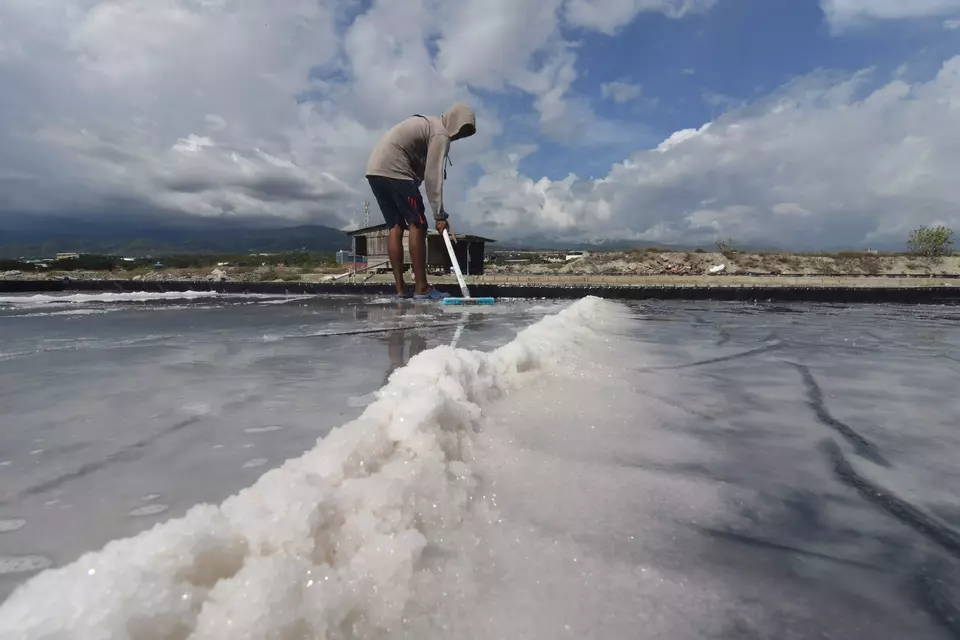
Jakarta. Indonesia has officially reopened salt imports after mounting pressure from domestic industries unable to secure enough raw materials, according to Chief Food Affairs Minister Zulkifli "Zulhas" Hasan.
Speaking after a coordination meeting on national commodity balance at his office in Central Jakarta, Zulhas said the government had no choice but to relax the salt import restrictions as demand from key sectors surged.
"Industries have been crying out, from pharmaceuticals to food and beverage manufacturers. Even intravenous fluid production requires salt," Zulkifli said during a press briefing on Friday.
Under Presidential Regulation No. 126 of 2022, the government had initially aimed to halt all salt imports starting January 2025 as part of a broader self-sufficiency program. However, Zulkifli confirmed the ban will now be postponed until 2027 due to insufficient local production capacity.
"That’s the agreement. The full import ban will begin in 2027. In the meantime, we’re giving time to the Maritime and Fisheries Ministry to develop local salt processing plants,” he said.
The revised timeline allows the Maritime Ministry to build the infrastructure needed to achieve salt self-sufficiency by the end of 2027.
The decision to delay the ban follows a cabinet-level meeting convened by President Prabowo Subianto in early February to address salt supply concerns ahead of Ramadan. During the meeting, Maritime Minister Sakti Wahyu Trenggono acknowledged that local production still fell short of national needs, particularly during peak demand periods.
“We still need imports to meet food-related needs. We’re not yet self-sufficient,” Sakti said at the State Palace on Feb. 5.
Indonesia’s reliance on imported salt has remained steady over the past five years. In 2020, the country imported 2.61 million tons worth $94.56 million. Imports rose to 2.83 million tons in 2021 and remained above 2.7 million tons annually through 2024.
Last year, Indonesia imported 2.75 million tons of salt, valued at $125.9 million. Australia remained the top supplier, delivering 2.02 million tons, followed by India (723,900 tons), New Zealand (2,490 tons), and China (1,840 tons).
The government aims to gradually reduce its dependence on imported salt while boosting domestic production capacity, particularly for industrial-grade salt, over the next two years.
Tags: Keywords: as a preferred
Related Articles

Govt Targets Completion of 35,872 Village Cooperatives by August
Indonesia aims to complete 35,872 village cooperatives by August as the government prepares them to distribute subsidies and support farmers
Indonesia's Industrial Salt Imports Climb Despite Self-Sufficiency Push
Industrial salt imports rose 13.1% in early 2026, prompting calls to review quotas and protect Indonesia's 2027 self-sufficiency goal.The Latest

Chandra Asri Group Receives Trade Finance Excellence Award, Reinforcing Its Role in Indonesia’s Industrial Development
Chandra Asri Group receives the Trade Finance Excellence Award at CIMB Niaga Business Summit 2026.
AEON MALL Deltamas Brings 11 Sports and Creative Competitions to AEONLYMPIC 2026
AEON MALL Deltamas hosts AEONLYMPIC 2026, featuring 11 sports and creative competitions, with more than 3,100 participants.
Indonesian Stocks Extend Losses for Third Day, Fall 3.64% to 4,996
Indonesian stocks fell 3.64% on Monday, extending losses for a third straight session amid MSCI concerns and tighter trading limits.
Prabowo Calls Meeting on Forest Fires as Haze Reaches Jakarta, Singapore
Prabowo summons senior officials to discuss forest fires as smoke reaches Jakarta and Malaysia pushes for regional action.
Jakarta Outranks Amsterdam in Global Public Transport Survey
Jakarta climbs two places to 15th in Time Out's 2026 public transport survey, with its governor citing better network integration.Most Popular
