



China Shrugs Off Threat of US Tariffs to Economy, Says It has Tools to Protect Jobs
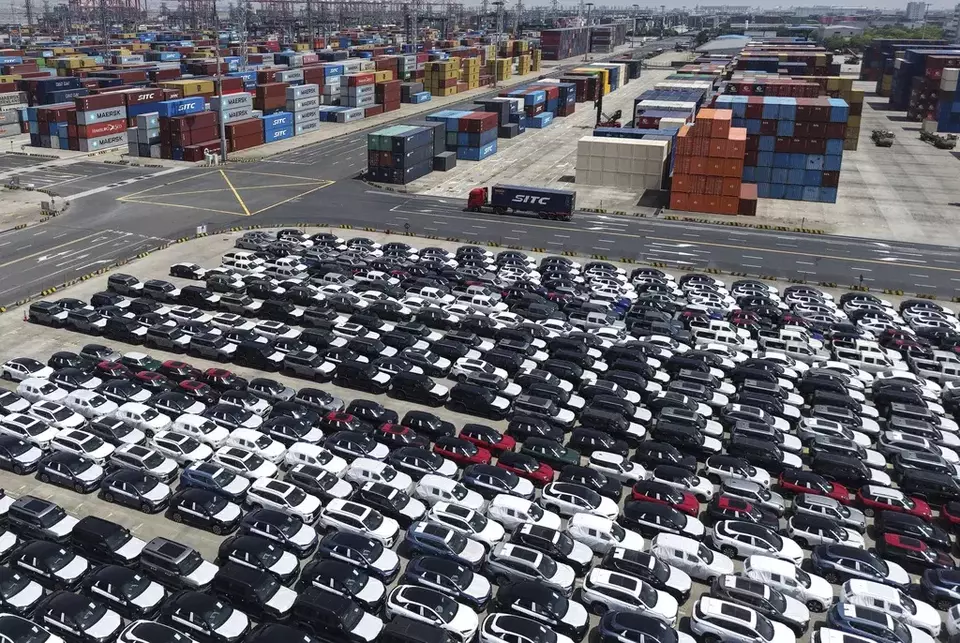
China’s leaders are downplaying the potential impact of US President Donald Trump’s trade war, saying they have the capacity to protect jobs and limit damage from higher tariffs on Chinese exports.
The briefing on Monday by several senior officials of different government ministries appeared aimed at shoring up confidence with promises of support for companies and the unemployed, easier lending conditions, and other policies to counter the impact of combined tariffs of up to 145 percent on US imports from China.
It followed a meeting of China's powerful Politburo last week that analysts said had focused on ways to keep growth on track despite slowing exports.
“Chinese policymakers are on heightened standby mode,” Louise Loo, lead economist at Oxford Economics, said in a report. She noted that the policies were similar to earlier pronouncements.
The status of exchanges, if any, between the White House and Chinese leader Xi Jinping remains unclear.
Read More:
Trump Chickened OutTrump said last week that he’s actively negotiating with the Chinese government on tariffs, while US Treasury Secretary Scott Bessent said talks have yet to start.
Beijing has denied that any such talks were underway, and China has retaliated against Trump's tariffs by putting 125 percent import duties on products from the US, among other measures.
The officials who spoke Monday reiterated China's rejection of what leaders there call bullying.
“They make up bargaining chips out of thin air, bully and go back on their words, which makes everyone see one thing more and more clearly, that is the so-called ‘reciprocal tariffs’ severely go against historical trends and economic laws, impact international trade rules and order and seriously impair the legitimate rights and interests of countries,” said Zhao Chenxin, deputy director of the National Development and Reform Commission, the country’s main economic planning agency.
The trade war between the world’s two largest economies has the potential to bring on a recession in the US, with repercussions across the globe. China has been struggling to recharge its own growth after the job losses and other shocks of the pandemic.
Economists at the International Monetary Fund and some investment houses have downgraded their estimates for growth in China this year to about 4 percent. Millions of export-oriented jobs are at stake.
Still, Chinese officials say they believe the economy has the momentum to expand at the target rate of about 5 percent this year, in line with growth in 2024.
Yu Jiadong, a vice minister of Human Resources and Social Security, told reporters in Beijing that a full and objective analysis shows China's “employment policy toolbox is sufficient.”
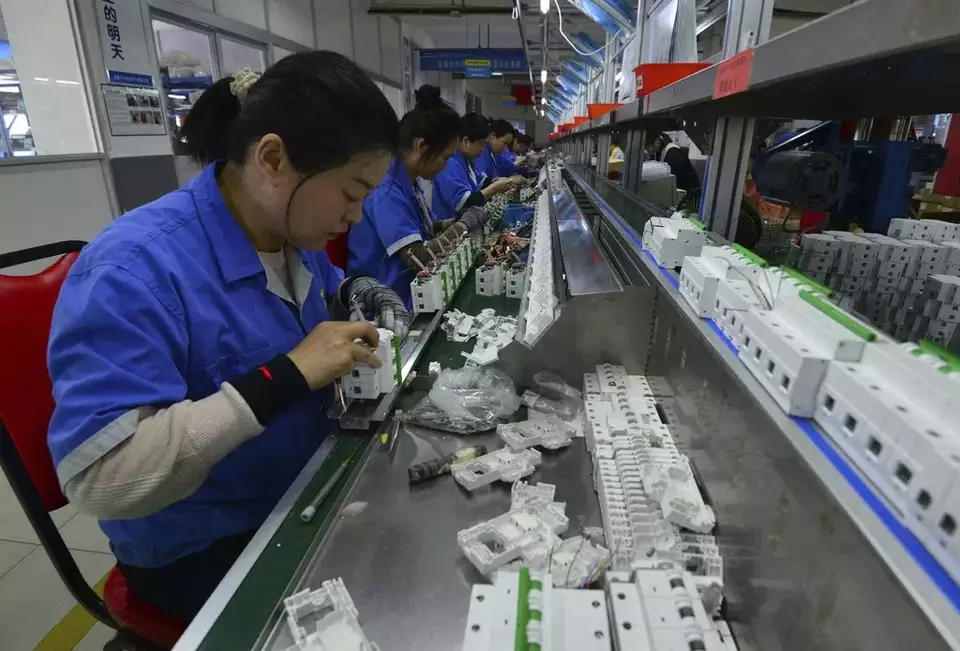
The government will step up support for companies to help them keep workers and also encourage entrepreneurship among the unemployed, Yu said.
China can also manage without energy imports from the United States, said Zhao, the NDRC deputy director.
“Enterprises reducing or even stopping energy imports from the United States will have no impact on our country’s energy supply,” he said.
China has been gradually cutting its imports of US grains and other farm products, and Zhao said that stopping such purchases would not compromise the food supply. Most grain purchases were for livestock feed and the international market has adequate stocks to make up for any reduction in imports of corn, sorghum, soy, and oil from American suppliers, he said.
A deputy governor of the central bank, Zou Lan, said the People's Bank of China will cut interest rates and relax reserve requirements as needed to encourage lending.
“Incremental policies will be introduced in a timely manner to help stabilize employment, enterprises, markets, and expectations,” Zou said.
China can expand domestic demand through various policies, including rebates for swapping old vehicles, appliances, and factory equipment for new ones, Zhao said, forecasting that demand for equipment upgrades will exceed 5 trillion yuan ($34.8 billion) a year.
In the longer term, China also is promoting the shift of more people to cities from the countryside, Zhao said.
“Every 1 percentage point increase in the urbanization rate can stimulate trillions of investment demand,” he said. “Our country has very real potential and space to expand domestic demand.”
Tags: Keywords: as a preferred
Related Articles

Trump’s New Press Secretary Out After Less Than a Week
Katie Zacharia’s brief White House tenure ends after less than a week, following a short first briefing and reported tensions over her role.
Defying Trump, Zelensky Says Will Keep Hitting Russian Refineries
Russia on Thursday said Ukraine had attacked an oil refinery in Ryazan, south of the capital, Moscow.
Fury as US Federal Agents Search Ilhan Omar's Home
"Make no mistake: this is an attempt to target political enemies and weaponize federal law enforcement," Omar wrote on X.
‘It’s Trump Who Sets Oil Price’: Prabowo’s Brother
Neither the Indonesian government nor OPEC sets the oil price, Hashim Djojohadikusumo says.
Navi Pillay, South African Rights Champion, Wins Nobel Peace Prize
"If you clap a little bit more, I may share this prize with Trump," the 85-year-old said.
Trump Vows to Hit Iran 'Very Hard' If Linked to Flydubai Attack
The US leader's threat of retaliation came as he took a harsher tone on the stalled Iran war overall.
Trump Slammed for 'Illegal' US TV Ads Funded by Taxpayers
Mike Levin, a Democratic member of the House of Representatives, said: "It’s propaganda, and you’re paying the bill."
Airlangga Says Indonesia Won’t Face US Tariffs Over Russian Oil
Airlangga says Indonesia won’t face US tariffs over Russian oil bought within an allowed window.
Masoud Tells Trump that Iran Will Never 'Bend at the Knee'
Pezeshkian accused Washington of "terrorism" for assassinating former supreme leader Ayatollah Ali Khamenei at the start of the conflict.
Trump Thanks Indonesia for Gaza Troops
Indonesia has not only committed troops to the ISF, but is in its upper management.The Latest

Chandra Asri Group Receives Trade Finance Excellence Award, Reinforcing Its Role in Indonesia’s Industrial Development
Chandra Asri Group receives the Trade Finance Excellence Award at CIMB Niaga Business Summit 2026.
AEON MALL Deltamas Brings 11 Sports and Creative Competitions to AEONLYMPIC 2026
AEON MALL Deltamas hosts AEONLYMPIC 2026, featuring 11 sports and creative competitions, with more than 3,100 participants.
Indonesian Stocks Extend Losses for Third Day, Fall 3.64% to 4,996
Indonesian stocks fell 3.64% on Monday, extending losses for a third straight session amid MSCI concerns and tighter trading limits.
Prabowo Calls Meeting on Forest Fires as Haze Reaches Jakarta, Singapore
Prabowo summons senior officials to discuss forest fires as smoke reaches Jakarta and Malaysia pushes for regional action.
Jakarta Outranks Amsterdam in Global Public Transport Survey
Jakarta climbs two places to 15th in Time Out's 2026 public transport survey, with its governor citing better network integration.Most Popular
