



China Evergrande Faces Liquidation After Failed Restructuring Negotiations
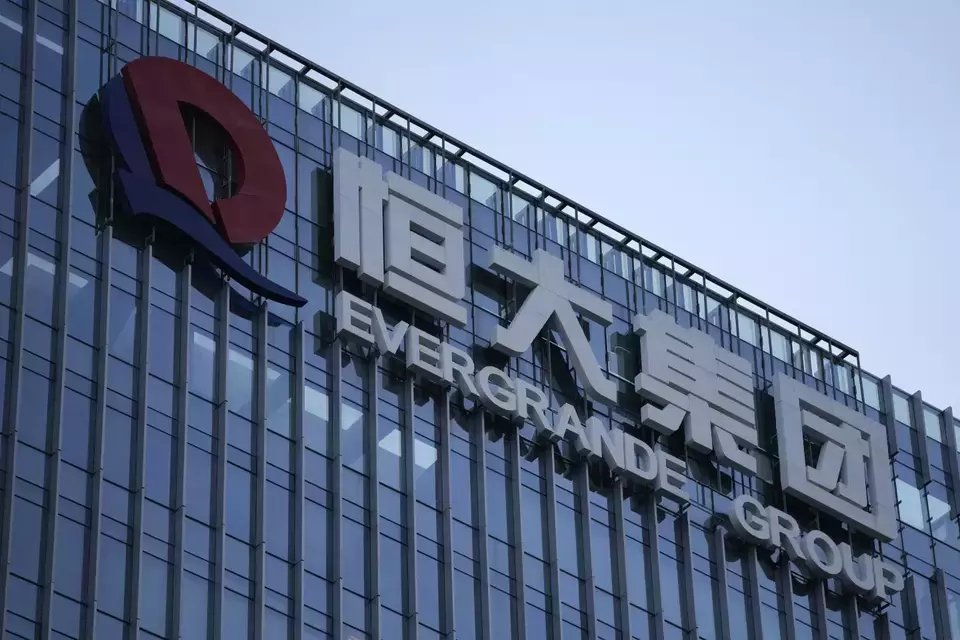
Hong Kong. A Hong Kong court on Monday ordered property developer China Evergrande Group to liquidate after it was unable to reach a restructuring deal with creditors.
Judge Linda Chan said it was appropriate for the court to order Evergrande to wind up its business given a “lack of progress on the part of the company putting forward a viable restructuring proposal” as well as Evergrande’s insolvency.
The liquidation order is likely to impact China’s financial system, even as authorities try to prevent a selloff in the Chinese stock market. Evergrande’s liquidation will likely also lessen confidence in the property sector, which has been slumping as developers struggle to meet their obligations following a crackdown on excessive borrowing in the sector.
Trading of China Evergrande shares was suspended following a sharp decline of over 20 percent in the early session on Monday. Meanwhile, the Hang Seng index rose by 1 percent.
Evergrande had been granted a brief reprieve in December after it said it was attempting to “refine” a new debt restructuring plan of more than $300 billion in liabilities.
Fergus Saurin, a lawyer representing an ad hoc group of creditors, said Monday he was not surprised by the outcome.
“The company has failed to engage with us. There has been a history of last-minute engagement which has gone nowhere,” he said.
Saurin said that his team had been working in good faith in the entire process and that Evergrande “only has itself to blame for being wound up.”
The judge is expected to provide more reasons for the liquidation order during a separate court session Monday afternoon.
Evergrande, the world’s most indebted property developer, is one of many property firms that ran into trouble when Chinese regulators cracked down on excessive borrowing in the real estate sector.
The company first defaulted on its financial obligations in 2021, just over a year after Beijing clamped down on lending to property developers in an effort to cool a property bubble.
Real estate drove China’s economic boom, but developers borrowed heavily as they turned cities into forests of apartment and office towers. That has helped to push total corporate, government, and household debt to the equivalent of more than 300% of annual economic output, unusually high for a middle-income country.
Other developers including Country Garden, China’s largest real estate developer, have also run into trouble, their predicaments rippling through financial systems in and outside China.
The fallout from the property crisis has also affected China’s shadow banking industry — institutions that provide financial services similar to banks but operate outside of banking regulations, such as Zhongzhi Enterprise Group. Zhongzhi, which lent heavily to developers, said it was insolvent.
 as a preferred
The Latest

Prabowo Calls Meeting on Forest Fires as Haze Reaches Jakarta, Singapore
Prabowo summons senior officials to discuss forest fires as smoke reaches Jakarta and Malaysia pushes for regional action.
Jakarta Outranks Amsterdam in Global Public Transport Survey
Jakarta climbs two places to 15th in Time Out's 2026 public transport survey, with its governor citing better network integration.
MSCI Concerns, Tighter IDX Trading Rules Send Indonesian Stocks Down 5% by Midday
Indonesian stocks plunge 5% by midday as MSCI concerns weigh on sentiment and the IDX tightens its daily downside limit to 7%.
Jakarta Prepares 367 Health Facilities as Haze Reaches the Capital
Jakarta prepares 367 health facilities to treat potential haze-related illnesses after smoke from Sumatra and Kalimantan crosses the region.
Jakarta Expands Flood Prevention With New Water Storage Ponds
Jakarta opens two East Jakarta water storage ponds as it expands flood prevention efforts through reservoirs and river normalization.Most Popular
