



A Look at The Countries that Received Trump's Tariff Letters

President Donald Trump has sent letters this week outlining higher tariffs countries will face if they don't make trade deals with the United States by Aug. 1.
Some mirror the so-called “reciprocal" rates Trump unveiled against dozens of trading partners in April -- the bulk of which were later postponed just hours after taking effect. But many are higher or lower than those previously announced amounts.
So far, Trump has warned the European Union and 24 nations, including major trading partners like South Korea and Japan, that steeper tariffs will be imposed starting Aug. 1.
Nearly all of these letters took the same general tone with the exception of Brazil, Canada, the EU, and Mexico, which included more specifics about Trump's issues with those countries.
Nearly every country has faced a minimum 10 percent levy on goods entering the US since April, on top of other levies on specific products like steel and automobiles. And future escalation is still possible. In his letters, which were posted on Truth Social, Trump warned countries that they would face even higher tariffs if they retaliated by increasing their own import taxes.
Here's a look at the countries that have gotten tariff letters so far -- and where things stand now:
Brazil
Tariff rate: 50 percent starting Aug. 1. Brazil wasn't threatened with an elevated “reciprocal” rate in April -- but, like other countries, has faced Trump's 10 percent baseline over the last three months.
Key exports to the US: Petroleum, iron products, coffee, and fruit juice.
Response: In a forceful response, Brazilian President Luiz Inacio Lula da Silva said Trump’s tariffs would trigger the country’s economic reciprocity law -- which allows trade, investment, and intellectual property agreements to be suspended against countries that harm Brazil’s competitiveness. He also noted that the US has had a trade surplus of more than $410 billion with Brazil over the past 15 years.
Myanmar
Tariff rate: 40 percent starting Aug. 1. That's down from 44 percent announced in April.
Key exports to the US: Clothing, leather goods, and seafood
Response: Maj. Gen. Zaw Min Tun, the spokesperson for Myanmar’s military government, said it will follow up with negotiations.
Laos
Tariff rate: 40 percent starting Aug. 1. That's down from 48 percent announced in April.
Key exports to the US: Shoes with textile uppers, wood furniture, electronic components, and optical fiber
Cambodia
Tariff rate: 36 percent starting Aug. 1. That's down from 49 percent announced in April.
Key exports to the US: Textiles, clothing, shoes, and bicycles
Response: Cambodia's chief negotiator, Sun Chanthol, said the country successfully got the tariff dropped from the 49 percent that Trump announced in April to 36 percent and is ready to hold a new round of negotiations. He appealed to investors, especially factory owners, and the country's nearly 1 million garment workers, not to panic about the tariff rate announced Monday.
Thailand
Tariff rate: 36 percent starting Aug. 1. That's the same rate that was announced in April.
Key exports to the US: Computer parts, rubber products, and gemstones
Response: Thailand’s Deputy Prime Minister Pichai Chunhavajira said Thailand will continue to push for tariff negotiations with the United States. Thailand on Sunday submitted a new proposal that includes opening the Thai market for more American agricultural and industrial products and increasing imports of energy and aircraft.
Bangladesh
Tariff rate: 35 percent starting Aug. 1. That's down from 37 percent announced in April.
Key export to the US: Clothing
Response: Bangladesh’s finance adviser, Salehuddin Ahmed, said Bangladesh hopes to negotiate for a better outcome. There are concerns that additional tariffs would make Bangladesh’s garment exports less competitive with countries like Vietnam and India.
Canada
Tariff rate: 35 percent starting Aug. 1. That's up from 25 percent imposed earlier this year on goods that don't comply with a North American trade agreement covering the US, Canada, and Mexico. Some of Canada's top exports to the US are subject to different industry-specific tariffs.
Key exports to the US: Oil and petroleum products, cars, and trucks
Response: Canadian Prime Minister Mark Carney posted on X early Friday that the government will continue to work toward a trade deal by the new Aug. 1 deadline.
Serbia
Tariff rate: 35 percent starting Aug. 1. That's down from 37 percent announced in April.
Key exports to the US: Software and IT services, car tires
Indonesia
Tariff rate: 32 percent starting Aug. 1. That’s the same rate that was announced in April.
Key exports to the US: Palm oil, cocoa butter, and semiconductors
Algeria
Tariff rate: 30 percent starting Aug. 1. That’s the same rate that was announced in April.
Key exports to the US: Petroleum, cement, and iron products
Bosnia and Herzegovina
Tariff rate: 30 percent starting Aug. 1. That's down from 35 percent announced in April.
Key exports to the US: Weapons and ammunition
The European Union
Tariff rate: 30 percent starting Aug. 1. That's up from 20 percent announced in April but less than the 50 percent Trump later threatened.
Key exports to the US: Pharmaceuticals, cars, aircraft, chemicals, medical instruments, and wine and spirits.
Iraq
Tariff rate: 30 percent starting Aug. 1. That's down from 39 percent announced in April.
Key exports to the US: Crude oil and petroleum products
Response: European Commission President Ursula von der Leyen said the tariffs would disrupt essential supply chains “to the detriment of businesses, consumers and patients on both sides of the Atlantic.” She said the EU remains ready to continue working toward an agreement but will take necessary steps to safeguard EU interests, including countermeasures if required.
Libya
Tariff rate: 30 percent starting Aug. 1. That's down from 31 percent announced in April.
Key exports to the US: Petroleum products
Mexico
Tariff rate: 30 percent starting Aug. 1. That's up from 25 percent imposed earlier this year on goods that don't comply with the free trade agreement covering the US, Mexico, and Canada. Some of Mexico's top exports to the US are subject to other sector-specific tariffs.
Key exports to the US: Cars, motor vehicle parts and accessories, crude oil, delivery trucks, computers, agricultural products
South Africa
Tariff rate: 30 percent starting Aug. 1. That’s the same rate that was announced in April.
Key exports to the US: Platinum, diamonds, vehicles, and auto parts
Response: The office of South African President Cyril Ramaphosa said in a statement that the tariff rates announced by Trump mischaracterized the trade relationship with the US, but it would “continue with its diplomatic efforts towards a more balanced and mutually beneficial trade relationship with the United States” after having proposed a trade framework on May 20.
Sri Lanka
Tariff rate: 30 percent starting Aug. 1. That's down from 44 percent announced in April.
Key exports to the US: Clothing and rubber products
Brunei
Tariff rate: 25 percent starting Aug. 1. That's up from 24 percent announced in April.
Key exports to the US: Mineral fuels and machinery equipment
Moldova
Tariff rate: 25 percent starting Aug. 1. That's down from 31 percent announced in April.
Key exports to the US: Fruit juice, wine, clothing and plastic products
Japan
Tariff rate: 25 percent starting Aug. 1. That's up from 24 percent announced in April.
Key exports to the US: Autos, auto parts, electronics
Response: Japanese Prime Minister Shigeru Ishiba called the tariff “extremely regrettable” but said he was determined to continue negotiating.
Kazakhstan
Tariff rate: 25 percent starting Aug. 1. That's down from 27 percent announced in April.
Key exports to the US: Oil, uranium, ferroalloys, and silver
Malaysia
Tariff rate: 25 percent starting Aug. 1. That's up from 24 percent announced in April.
Key exports to the US: Electronics and electrical products
Response: Malaysia's government said it will pursue talks with the US. A cabinet meeting is scheduled for Wednesday.
South Korea
Tariff rate: 25 percent starting Aug. 1. That's the same rate that was announced in April.
Key exports to the US: Vehicles, machinery, and electronics
Response: South Korea’s Trade Ministry said early Tuesday that it will accelerate negotiations with the United States to achieve a deal before the 25 percent tax goes into effect.
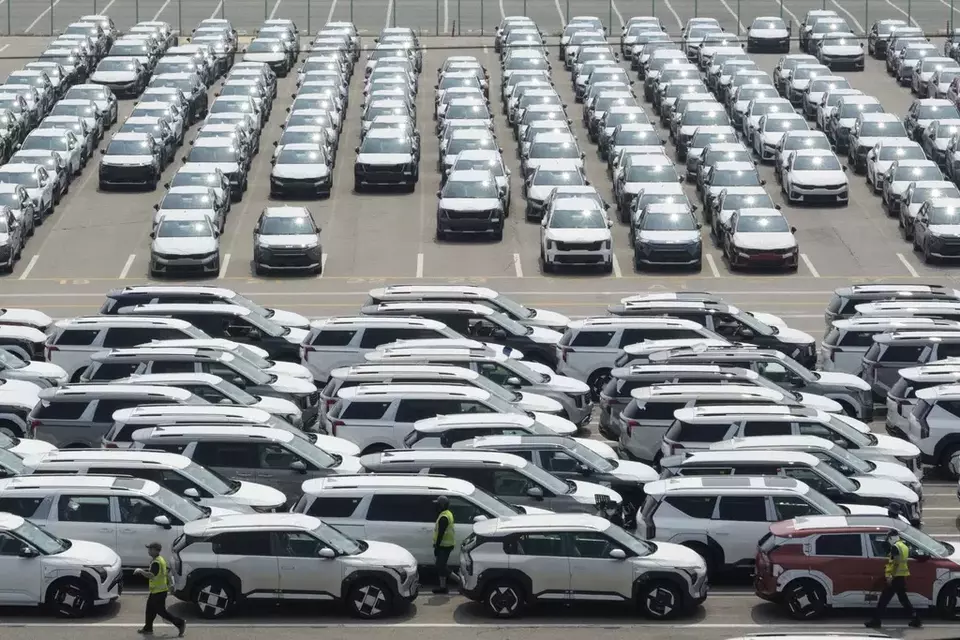
Tunisia
Tariff rate: 25 percent starting Aug. 1. That's down from 28 percent announced in April.
Key exports to the U.S.: Animal and vegetable fats, clothing, fruit, and nuts
Philippines
Tariff rate: 20 percent starting Aug. 1. That's down from 17 percent announced in April.
Key exports to the US: Electronics and machinery, clothing, and gold
Tags: Keywords: as a preferred
Related Articles

Trump’s New Press Secretary Out After Less Than a Week
Katie Zacharia’s brief White House tenure ends after less than a week, following a short first briefing and reported tensions over her role.
Defying Trump, Zelensky Says Will Keep Hitting Russian Refineries
Russia on Thursday said Ukraine had attacked an oil refinery in Ryazan, south of the capital, Moscow.
Fury as US Federal Agents Search Ilhan Omar's Home
"Make no mistake: this is an attempt to target political enemies and weaponize federal law enforcement," Omar wrote on X.
‘It’s Trump Who Sets Oil Price’: Prabowo’s Brother
Neither the Indonesian government nor OPEC sets the oil price, Hashim Djojohadikusumo says.
Navi Pillay, South African Rights Champion, Wins Nobel Peace Prize
"If you clap a little bit more, I may share this prize with Trump," the 85-year-old said.
Trump Vows to Hit Iran 'Very Hard' If Linked to Flydubai Attack
The US leader's threat of retaliation came as he took a harsher tone on the stalled Iran war overall.
Trump Slammed for 'Illegal' US TV Ads Funded by Taxpayers
Mike Levin, a Democratic member of the House of Representatives, said: "It’s propaganda, and you’re paying the bill."
Airlangga Says Indonesia Won’t Face US Tariffs Over Russian Oil
Airlangga says Indonesia won’t face US tariffs over Russian oil bought within an allowed window.
Masoud Tells Trump that Iran Will Never 'Bend at the Knee'
Pezeshkian accused Washington of "terrorism" for assassinating former supreme leader Ayatollah Ali Khamenei at the start of the conflict.
Trump Thanks Indonesia for Gaza Troops
Indonesia has not only committed troops to the ISF, but is in its upper management.The Latest

Chandra Asri Group Receives Trade Finance Excellence Award, Reinforcing Its Role in Indonesia’s Industrial Development
Chandra Asri Group receives the Trade Finance Excellence Award at CIMB Niaga Business Summit 2026.
AEON MALL Deltamas Brings 11 Sports and Creative Competitions to AEONLYMPIC 2026
AEON MALL Deltamas hosts AEONLYMPIC 2026, featuring 11 sports and creative competitions, with more than 3,100 participants.
Indonesian Stocks Extend Losses for Third Day, Fall 3.64% to 4,996
Indonesian stocks fell 3.64% on Monday, extending losses for a third straight session amid MSCI concerns and tighter trading limits.
Prabowo Calls Meeting on Forest Fires as Haze Reaches Jakarta, Singapore
Prabowo summons senior officials to discuss forest fires as smoke reaches Jakarta and Malaysia pushes for regional action.
Jakarta Outranks Amsterdam in Global Public Transport Survey
Jakarta climbs two places to 15th in Time Out's 2026 public transport survey, with its governor citing better network integration.Most Popular
