





Like It or Not, This Button Shaped the Digital Age
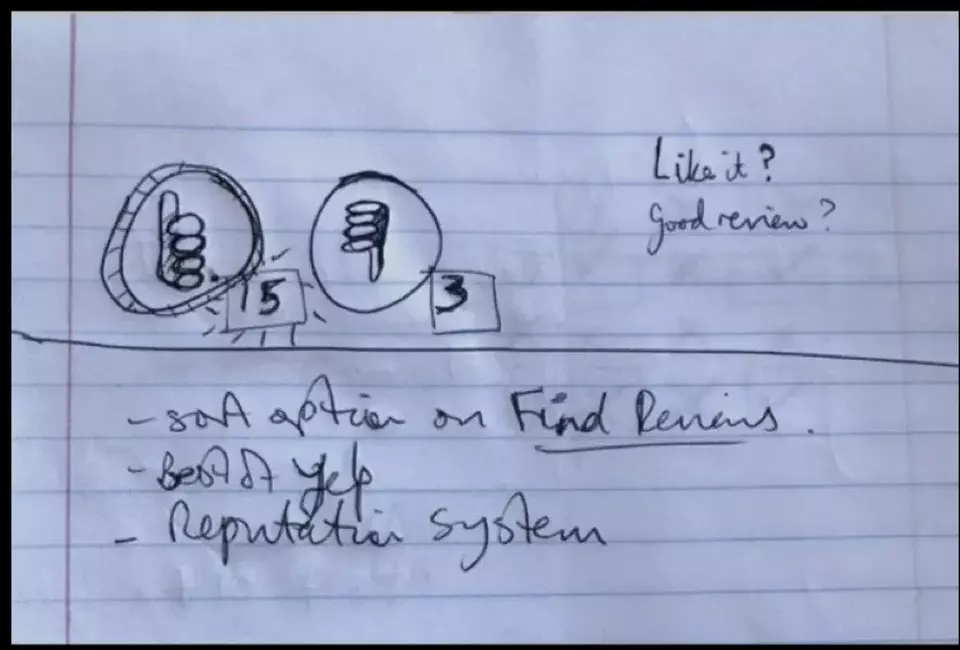
San Francisco. The internet wouldn’t be the same without the Like button, the iconic thumbs-up symbol that Facebook and other platforms turned into digital catnip.
Whether you love it or loathe it, the Like button has become a creative catalyst, a dopamine dispenser, and an emotional lightning rod. It even became a physical landmark when Facebook featured it on a giant sign at its Silicon Valley headquarters, until the company rebranded as Meta in 2021.
A new book, Like: The Button That Changed The World, explores the unexpected story behind this deceptively simple feature and its outsized role in shaping online behavior and culture.
The story begins long before Facebook, tracing back to ancient Rome, where thumbs determined the fate of gladiators. Fast forward to the early 2000s, when tech pioneers like Yelp’s Russ Simmons, Twitter’s Biz Stone, PayPal’s Max Levchin, YouTube’s Steve Chen, and Gmail creator Paul Buchheit began experimenting with online systems for recognition and engagement.
On May 18, 2005, Yelp employee Bob Goodson sketched a thumbs-up and thumbs-down icon as a way for users to rate restaurant reviews. Yelp ultimately went with different feedback buttons like “useful,” “funny,” and “cool,” but that sketch inspired Goodson and Martin Reeves to investigate the Like button’s origins in their new book.
“It’s simple and elegant,” Reeves told the Associated Press. “The Like button says, ‘I like you. I like your content. And I’m like you. I’m part of your tribe.’ But it’s surprisingly hard to answer, ‘Who invented the Like button?’”
Although Facebook popularized the Like button, it didn’t create it, and nearly didn’t adopt it at all. It took two years of internal debate before the company finally launched it on February 9, 2009. CEO Mark Zuckerberg initially opposed the idea, fearing it would clutter the site and cheapen the experience.
By then, the concept had gained traction elsewhere. FriendFeed, a startup co-founded by Buchheit and current OpenAI Chairman Bret Taylor, had introduced its own Like button in 2007. Facebook later acquired FriendFeed and its Like button.
Once implemented, the button kept users engaged and helped Facebook gather valuable data for targeted advertising, fueling Meta’s $165 billion in annual revenue. The Like also spread across the web, becoming part of countless other platforms' feedback systems. In 2016, Facebook expanded its emotional palette with six new reactions, including “love,” “haha,” and “angry.”
While the Like button drove user engagement, it also sparked concerns about its psychological effects, particularly on teens and young users who can become anxious or despondent over a lack of likes.
Still, Reeves argues that the Like button taps into something deeply human. “It’s the product of 100,000 years of evolution,” he said. “We don’t get bored of being liked.”
And in the digital age, that ancient human craving has been packaged into a single click.
Tags: Keywords:Related Articles

Meta Slashes 8,000 jobs as Microsoft Offers Buyouts
Meta has already warned investors that its 2026 expenses will grow significantly -- to the range of $162 billion to $169 billion.
Indonesia Issues Second Notice to Google, Meta Over Child Safety Rules
Indonesia issues a second notice to Google and Meta, warning of sanctions over delayed compliance with child protection rules.
Indonesia Summons Meta, Google Over Non-Compliance With Child Protection Rules
Indonesia summons Meta and Google over non-compliance with new child protection rules, requiring safer access for underage users online.The Latest

Indonesia Delays $1 Billion Panda Bond Sale as Chinese Demand Builds
Indonesia delayed its Panda Bond sale to late July after strong Chinese investor demand and requests for more approval time.
Pakistan Asks Indonesia to Ease Export Levy on Palm Oil
Palm oil makes up a huge bulk of Indonesia’s exports to Pakistan.
Indonesia Says No Negligence Found Yet in Deaths of Cooperative Trainees
Indonesia found no negligence in three trainee deaths but will review military training for village cooperatives.
Indonesia Forms Layoff Task Force as 150,000 Jobs Face Risk
Indonesia has formed a layoff mitigation task force after labor unions warned that up to 150,000 jobs could be at risk.
Merdeka Gold Debuts in Hong Kong in Indonesia’s First Dual Listing in Over 20 Years
Merdeka Gold began trading in Hong Kong, becoming the first Indonesian company to secure a dual listing on HKEX in over 20 years.Most Popular
