



Weather, High Mobility Are Factors Contributing to HMPV Transmissions
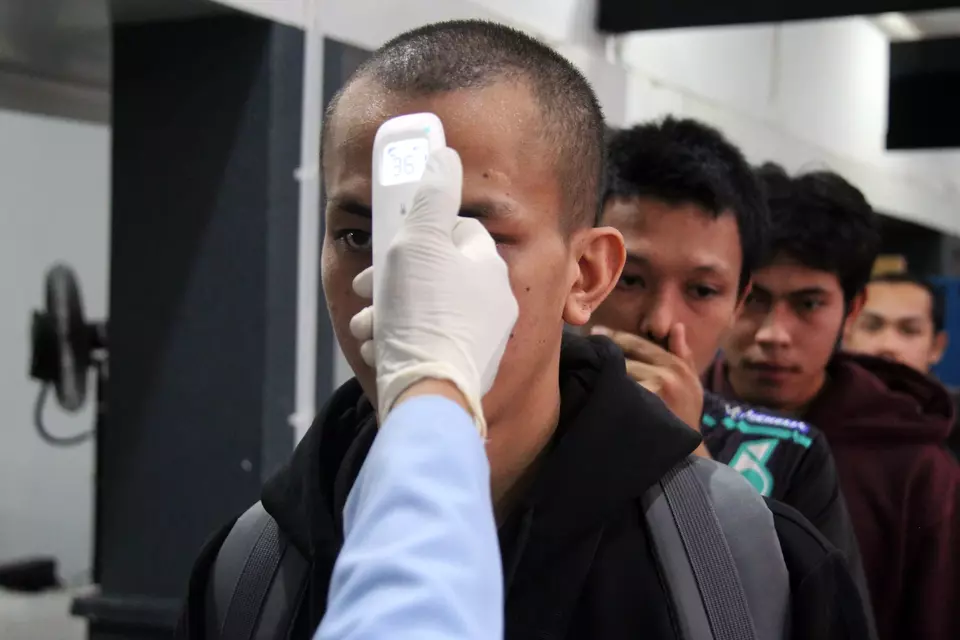
Jakarta. Indonesians are urged to stay vigilant to the potential outbreak of flu-like Human Metapneumovirus (HMPV) that could spread faster during the cooler period.
This virus is known to cause upper respiratory tract infections, which can progress to more serious conditions, especially in children, the elderly, or those with weakened immune systems.
Although HMPV was first identified in 2001, there has been a recent surge in transmission, particularly in December 2024, which coincides with the winter season in countries with four seasons.
Erlina Burhan, a member of the Indonesian Doctors Association (IDI) executive board, explained that HMPV is a virus that survives more stably and lasts longer in cold air. The winter season provides ideal conditions for this virus to proliferate.
"Reports came in last December, and December is the winter season. The virus tends to survive more stably in cold weather, whether in winter or the early spring season," she said on Sunday.
In countries with cold climates, such as the United States and European countries, these conditions support the survival of the virus, particularly in areas with low humidity. On the other hand, Indonesia, as a tropical country with high humidity, should not experience a similar surge in HMPV cases, although there may be an increase in colder areas such as mountainous cities (Bandung, Puncak, Dieng).
In addition to weather factors, other contributors to the transmission of HMPV include population density and high mobility in large urban areas. The virus can spread quickly in densely populated places with high social interaction.
"If there are cases in large cities with dense populations, such as Jakarta, Bandung, Surabaya, Medan, etc., and with high population mobility, transmission is likely to occur," she explained.
Moreover, poor environmental conditions, such as air-conditioned rooms with inadequate ventilation, can increase the risk of transmission, especially if an infected person is present in that space.
"For example, in offices using air conditioning and without opening doors or windows. If one person is sick, the others nearby are usually infected," she concluded.
To prevent HMPV transmission, the public is encouraged to maintain personal and environmental hygiene, adopt healthy lifestyle practices, avoid places with poor air circulation, and maintain distance from infected individuals.
Tags: Keywords: as a preferred
The Latest

Chandra Asri Group Receives Trade Finance Excellence Award, Reinforcing Its Role in Indonesia’s Industrial Development
Chandra Asri Group receives the Trade Finance Excellence Award at CIMB Niaga Business Summit 2026.
AEON MALL Deltamas Brings 11 Sports and Creative Competitions to AEONLYMPIC 2026
AEON MALL Deltamas hosts AEONLYMPIC 2026, featuring 11 sports and creative competitions, with more than 3,100 participants.
Indonesian Stocks Extend Losses for Third Day, Fall 3.64% to 4,996
Indonesian stocks fell 3.64% on Monday, extending losses for a third straight session amid MSCI concerns and tighter trading limits.
Prabowo Calls Meeting on Forest Fires as Haze Reaches Jakarta, Singapore
Prabowo summons senior officials to discuss forest fires as smoke reaches Jakarta and Malaysia pushes for regional action.
Jakarta Outranks Amsterdam in Global Public Transport Survey
Jakarta climbs two places to 15th in Time Out's 2026 public transport survey, with its governor citing better network integration.Most Popular
