



Carbon Trading Requires Host Country Approval: UNFCCC SB 60 Conclusion
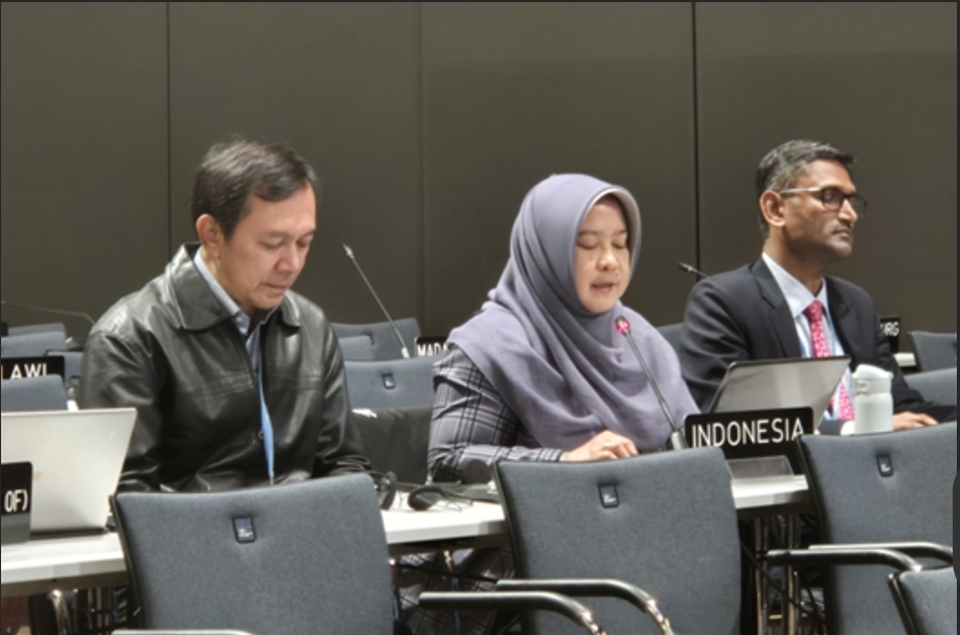
Jakarta. The 60th Subsidiary Body (SB) meeting of the United Nations Framework Convention on Climate Change (UNFCCC), held in Bonn, Germany from June 3 to June 14, focused on advancing international cooperation on climate change through carbon trading. A key conclusion was that carbon trading with foreign partners requires authorization from the host country.
Director General Laksmi Dhewanthi, representing the Republic of Indonesia Delegation, underscored the importance of this agenda, particularly under Article 6 of the Paris Agreement. Discussions covered methodologies, authorization procedures, and corresponding adjustments to prevent double counting and reporting requirements.
Draft conclusions from the meeting will be deliberated at COP 29 UNFCCC in Baku, Azerbaijan in November. The meeting concluded that the transfer of carbon units to foreign partners for fulfilling nationally determined contributions (NDCs) and other international purposes must be authorized by the host country.
Detailed methodologies for corresponding adjustments will be a focal point at COP 30 in 2025. While agreement on electronic reporting formats for inter-country cooperation under Article 6.2 is pending, cooperation can proceed independently.
As the National Focal Point (NFP) for Indonesia, Laksmi highlighted the pivotal role of NFPs in identifying and implementing climate actions, using UNFCCC's Non-Market Web-Based Platform for reporting.
The meeting also established themes for the 2024 work program, emphasizing natural resource management and encouraging stakeholder involvement in NDC contributions through foreign cooperation, especially in land-based sectors like agriculture and forestry.
"Indonesia advocates for stakeholder roles in NDC contributions without transferring carbon units abroad, particularly in land-based activities," Laksmi said in a statement on Saturday.
In addition to the official agenda, Verra, a nonprofit organization specializing in carbon credit programs, hosted discussions on voluntary markets under Article 6 of the Paris Agreement. They stressed the need for host countries to make corresponding adjustments to prevent double counting and maintain registry balance, except for proposed labeling purposes of overseas companies, which would require corresponding adjustments by the host country.
Tags: Keywords: as a preferred
Related Articles

Trump Too Stubborn to Rejoin Paris Agreement: Indonesian Minister
Indonesia's Environment Minister Jumhur Hidayat says other countries should deal with Trump quitting the Paris Accord.
Earth Headed for Record Heat Through 2030, UN Climate Agency Says
The World Meteorological Organization said there is an 86 % chance a new hottest year on record will occur before the end of the decade.
Indonesia Opens Forestry Carbon Market to Communities, Businesses
Indonesia launches new forestry carbon trading rules, opening participation to communities and businesses to boost emissions cuts and greenThe Latest

UN Boss Wants to Fix Security Council as Indonesia Seeks Seat
Outgoing UN chief Guterres says the current permanent member setup at the Security Council fails to reflect today's realities.
Saudi Flagship Investment Conference Pushed to 2027 after Houthi Attacks
The annual Future Investment Initiative (FII), often dubbed "Davos in the Desert", was originally scheduled to take place from October 26-29
Government Sets Aside Rp 1.3 Quadrillion for Final-Quarter Spending
Government spending has reached Rp 2.66 quadrillion, equivalent to 69.2% of the full-year budget target of Rp 3.84 quadrillion.
Indonesia Probes 98 Corporate Wildfire Cases, Including Possible Foreign Links
Police investigate 98 corporate-related wildfire cases, including possible links to investors from neighboring countries.
Students Plan Jakarta Protests to Mark Two Years of Prabowo's Presidency
Police have advised the public to avoid areas around the House of Representatives complex, the National Monument and the State Palace.Most Popular
