



How to Practice Healthy Fasting During Ramadan
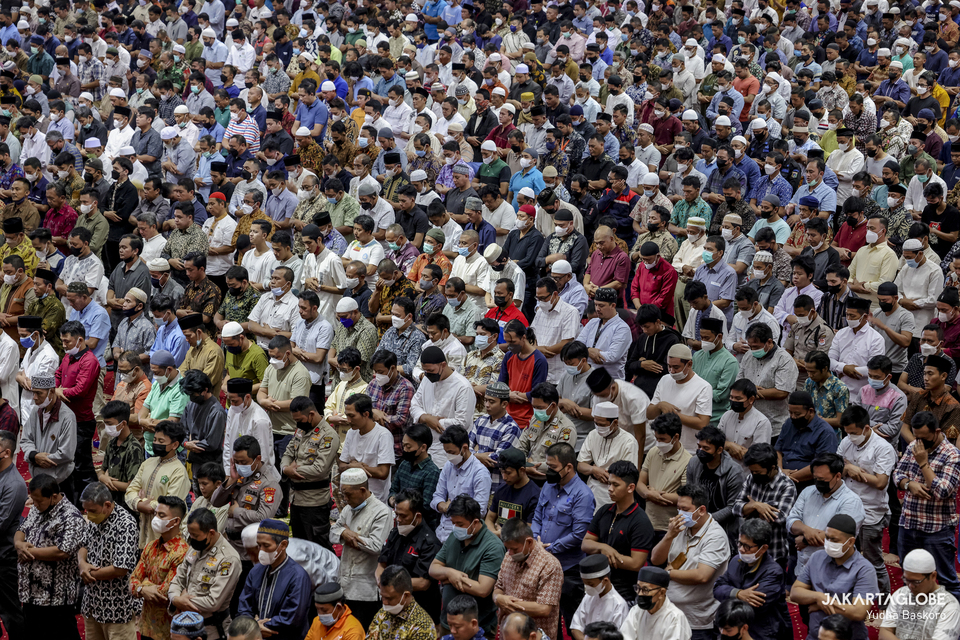
Manal Elfakhani looks back fondly on childhood memories from Ramadan. She would break her fast at the mosque with family and snack on sweet semolina flour cookies, a treat she has since learned to bake herself.
Ramadan is a time for spiritual reflection and appreciating the value of having enough to eat, she said. For about a month, many Muslims refrain from eating and drinking from dawn to sunset. This year, Ramadan is set to begin this weekend.
While fasting is safe for most people, planning ahead and maintaining proper nutrition can make the month more meaningful, said Elfakhani, a nutrition expert at Pennsylvania State University.
Young children, the elderly, and those who are pregnant, menstruating, or breastfeeding are exempt from fasting. People with diabetes, heart disease, or other chronic conditions should consult a doctor before deciding to fast, especially if they take medication regularly.
“You should be in a very good, healthy state in order to do this,” Elfakhani said.
Fuel Up at the Pre-Dawn Meal
For the pre-dawn meal, called suhoor, nutrition experts recommend incorporating a variety of food groups.
When Sonya Islam was too tired to get out of bed for suhoor as a child, her mother would bring her a banana and a glass of milk. Now a dietitian at VCU Health, she sees the wisdom in that meal—a combination of fiber and protein.
“Having sustained fuel that can last for as long as possible is critical,” she said.
She suggests foods rich in healthy fats, such as avocados and nuts, along with high-fiber, hydrating vegetables and fruits. Sugary foods, which digest quickly and can trigger cravings, are best avoided.
While a morning cup of coffee or tea may be tempting, experts recommend skipping caffeine, which can lead to dehydration. Instead, hydrate with water or non-caffeinated drinks.
Break the Fast in Moderation
The length of the daily fast varies by location, depending on daylight hours. Experts advise listening to the body and taking it easy while fasting.
Elfakhani tries to slow down during the day between teaching stints and catches up on work after the evening iftar meal.
Engaging in light activities, such as short walks or stretching, can help maintain energy levels and keep the mind active. Those who exercise regularly may want to work out just before breaking the fast or later in the evening to avoid dehydration.
At iftar, eating in moderation is key to preventing sluggishness.
Some choose to break their fast with a glass of water or a hot drink and fiber-rich dates. After that, having a few appetizers and a small entrée is recommended. Waiting a few hours before snacking again can help with digestion.
“It’s more about mindful eating and listening to when your body is actually hungry, as opposed to just overloading,” said Zaiba Jetpuri from UT Southwestern Medical Center.
Tags: Keywords: as a preferred
The Latest

More Lula, or Back to the Bolsonaros? Brazil Votes in Cliffhanger
Lula, who is seeking a fourth term in office overall, has pitched himself as a bulwark against US interference and democratic backsliding.
Rare Baby Monkey Saved from Burning Tree in West Java, Reunited with Mother
The tiny primate, with its distinctive blue face and white fur, was found clinging to the branch of a burning tree.
ADB Plans $218 Million Loan for Indonesia’s Food and Drug Oversight
About Rp 50 billion or nearly $2.8 million of the ADB loans will go into constructing a new BPOM green laboratory in Makassar.
MSCI is Neutral, Unlike Old IMF: Ex-Vice FM Tells Prabowo
The IMF had left a trauma on Indonesia after its $43 billion bailout package worsened the country's plight.
Ye Concert, Other Events to Draw 130,000 to GBK, Here’s What to Know
Around 130,000 visitors are expected at Jakarta’s GBK on Saturday as Ye’s concert and several major events take place.Most Popular
