



From Dodol to Lanterns: Small Businesses Prepare for Chinese New Year Rush
Medan/Lampung/Karawang. As the Chinese New Year approaches on Jan. 29, small businesses across Indonesia are ramping up production to meet the soaring demand for traditional goods and foods associated with the Imlek holiday.
From the bustling streets of Medan, North Sumatra to the quiet workshops in Bandar Lampung and Karawang in West Java, the spirit of the holiday is evident as producers prepare for one of the most important celebrations in the Chinese calendar.
In Karawang, West Java, the demand for dodol, a traditional sticky sweet, is increasing. Yeli, a long-time producer of this treat, explains that production has doubled in the lead-up to Chinese New Year.
"We’ve been making up to 125 kilograms a day since Jan. 5, and the demand is still rising," Yeli said, standing in her bustling workshop in Tanjung Pura, Karawang. She added that customers are not only coming from Karawang but from nearby cities like Bekasi, Cikarang, and even Jakarta.
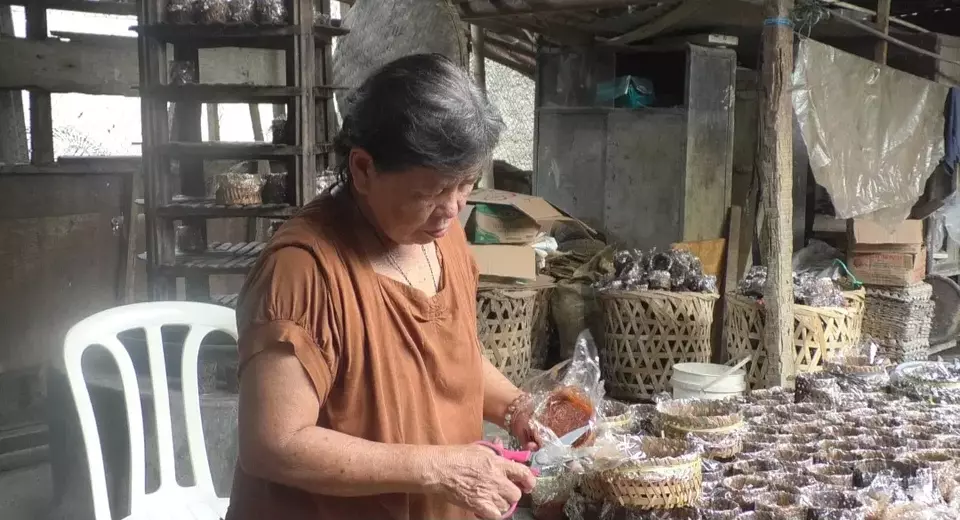
Dodol is an essential part of the Chinese New Year celebration, symbolizing sweetness and prosperity for the year ahead. Yeli's recipe, passed down through generations, uses ingredients like glutinous rice, palm sugar, and fresh coconut milk. Despite the rise in the cost of ingredients, Yeli’s commitment to maintaining the authenticity of the treat is clear. The traditional preparation method, which takes up to 16 hours, ensures that every batch of dodol retains its signature texture and flavor.
But it’s not just the classic flavors of dodol that are catching the public's attention. Yeli has diversified her offerings with variations like pandan, chocolate, and durian, which are becoming increasingly popular among customers looking for a modern twist on the traditional treat. She believes that innovation is key, but it’s essential to stay true to the roots of the dish. "We always try new flavors, but the essence of dodol remains unchanged,” she said.
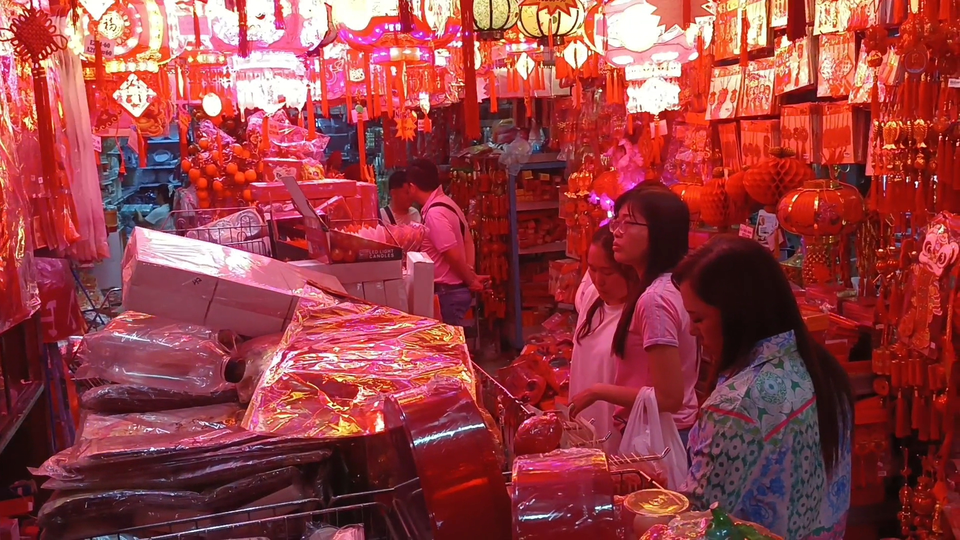
The rise in demand for Chinese New Year treats isn’t limited to Karawang. In Medan, North Sumatra, the city's stores are filled with shoppers looking for traditional decorations and supplies. At Acai Jaya, a popular shop in Medan, owner Acai is witnessing a steady influx of customers in the weeks leading up to the holiday.
"The sales have increased by 30 percet compared to usual days," Acai said. The shop is known for its wide array of Chinese New Year decorations, ranging from red envelopes to lanterns and paper cuttings. Customers come from all over Sumatra to purchase supplies, particularly for their homes and local temples.
Lanterns, a symbol of welcoming the new year, are among the most sought-after items at Acai Jaya. Prices vary, with larger lanterns fetching up to three million rupiah, depending on size and design.
"Every year, people replace their old lanterns because they represent a fresh start and a new opportunity," explained Acai. As demand surges, he is making preparations to increase stock, ensuring that customers don’t leave empty-handed.
The festive rush is also evident in Bandar Lampung, where the production of kue tutun (rice cakes) has surged. A staple during Chinese New Year, kue tutun symbolizes family unity and good fortune. Hasan Kurniawan, who has been making kue tutun since 1978, reports that his production has been non-stop since mid-January.
“We’re selling up to 1,000 cakes a day, and it’s only getting busier,” Hasan said. The cakes, made from glutinous rice, are steamed for hours until they reach the perfect texture—sticky, sweet, and dense.
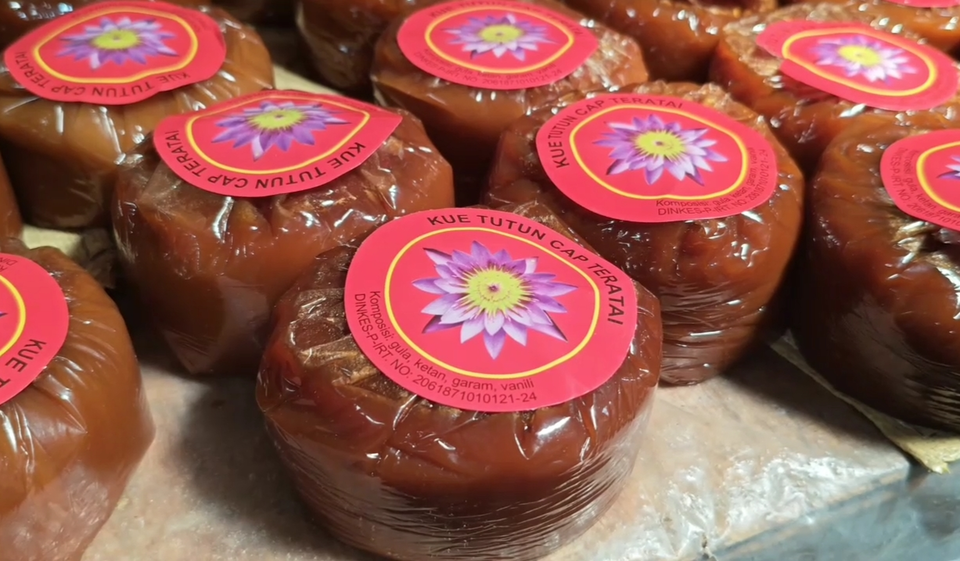
Kue tutun’s popularity skyrockets during the holiday season, and demand stretches beyond local markets, with resellers from other cities placing bulk orders. However, like many producers, Hasan has had to contend with rising costs.
"The price of sugar has gone up, so we had to adjust our prices a little," he explained. Despite the increase in costs, Hasan remains focused on maintaining the high quality of his cakes, which have become a cherished tradition among the local Chinese community.
In the weeks leading up to Chinese New Year, Hasan’s workshop is a hive of activity. Workers are busy mixing, steaming, and packing the cakes for distribution. Each step of the process is done by hand to ensure that every cake meets the high standards that his family business has upheld for decades. "We only make kue tutun for Chinese New Year," Hasan said, "because that's when demand peaks."
While many businesses in Indonesia experience seasonal surges in demand for goods related to Chinese New Year, the holiday is more than just a commercial opportunity. For the Chinese community, it’s a time to reunite with family, honor ancestors, and celebrate a fresh start.
As the country gets ready for the Year of the Wood Dragon, families and businesses alike are reflecting on the significance of the holiday and the hope that it brings for prosperity, health, and happiness.
Tags: Keywords: as a preferred
The Latest

Chandra Asri Group Receives Trade Finance Excellence Award, Reinforcing Its Role in Indonesia’s Industrial Development
Chandra Asri Group receives the Trade Finance Excellence Award at CIMB Niaga Business Summit 2026.
AEON MALL Deltamas Brings 11 Sports and Creative Competitions to AEONLYMPIC 2026
AEON MALL Deltamas hosts AEONLYMPIC 2026, featuring 11 sports and creative competitions, with more than 3,100 participants.
Indonesian Stocks Extend Losses for Third Day, Fall 3.64% to 4,996
Indonesian stocks fell 3.64% on Monday, extending losses for a third straight session amid MSCI concerns and tighter trading limits.
Prabowo Calls Meeting on Forest Fires as Haze Reaches Jakarta, Singapore
Prabowo summons senior officials to discuss forest fires as smoke reaches Jakarta and Malaysia pushes for regional action.
Jakarta Outranks Amsterdam in Global Public Transport Survey
Jakarta climbs two places to 15th in Time Out's 2026 public transport survey, with its governor citing better network integration.Most Popular
