



S. Korea Open to Nuclear Power Plant Deal with Indonesia
Jakarta. South Korea, which already generates over a quarter of its electricity from nuclear reactors, is offering a partnership for coal-reliant Indonesia to tap into this power source.
President Prabowo Subianto has been open to the idea of Indonesia embracing the nuclear path, even framing it as a cheap solution to cut emissions. The country is even aiming to bring its first nuclear reactor online by 2032. And Seoul wants in on this ambition, according to South Korean Ambassador to Indonesia Yoon Soongu in his exclusive interview with the Jakarta Globe.
“Indonesia has a quite constant plan to build a nuclear power plant,” Yoon Soongu said at the Indonesia Stock Exchange on Tuesday.
“We are quite a formidable force in this area. We have 25 nuclear power plants on our soil,” the diplomat explained.
South Korea had clinched overseas contracts, the envoy said, alluding to the deal anchored by the state-run Korea Electric Power Corporation (KEPCO). In late 2009, a KEPCO-led consortium clinched a $20 billion deal to build four nuclear reactors in the UAE. KEPCO’s subsidiary Korea The Czech Republic had also awarded Hydro & Nuclear Power Co. the Dukovany nuclear contract.
“We are ready to cooperate with Indonesia. Many people are talking about small modular reactors [SMRs] and conventional nuclear power plants. We have the technologies,” Yoon Soongu told the Globe.
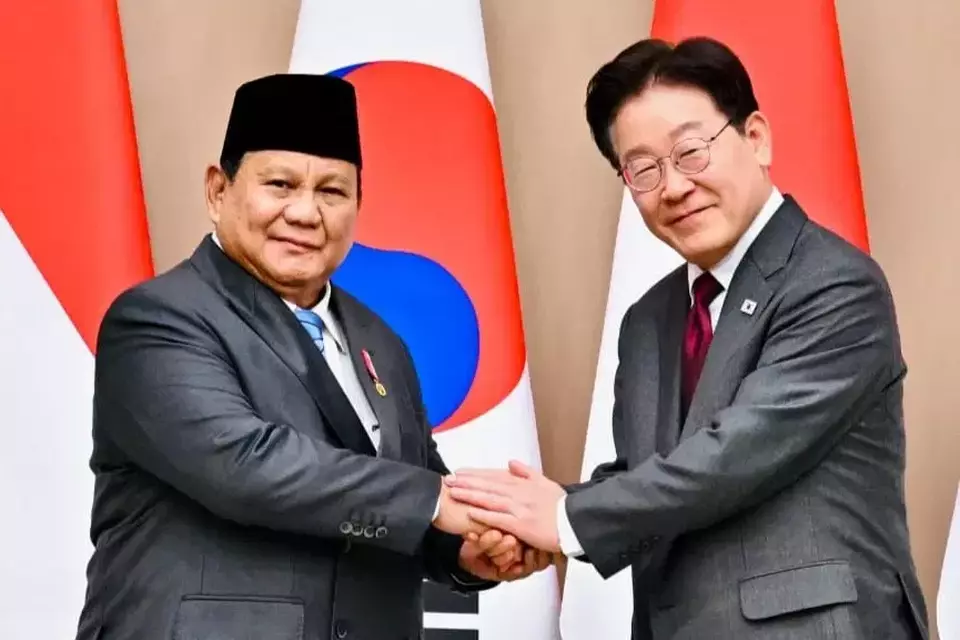
Prabowo and South Korean President Lee Jae Myung had raised the possibility in their April meeting. They are also open to “exploring opportunities for cooperation with leading nuclear partners”, the leaders’ joint statement wrote.
PLN Indonesia Power, a subsidiary of the state-run energy firm, has wrapped up a US-backed techno-economic study on SMR construction in West Kalimantan. The study uses technologies from the Oregon-based nuclear company NuScale. An SMR’s capacity is one-third of a conventional reactor.
Russian nuclear agency Rosatom, not long ago, claimed that its negotiations with Indonesia had advanced. Rosatom Director General Alexey Likhachev had even told the press that they were “moving toward agreements” on setting up floating nuclear power plants. Rosatom will also partner with “local businesses interested in technology localization”.
Tags: Keywords: as a preferred
Related Articles

Korea Pitches Nuclear Power Investment for Indonesia
South Korea, however, is aware that investing in nuclear energy is a "huge and long-term decision".
Korea Demands Nickel Battery Incentives, Predictability in Indonesia
South Korean investors want Indonesia to grant nickel-based battery incentives and policy predictability.
Korea Mulls More Visa Waivers for K-Pop-Loving Indonesia
South Korea says the decision on relaxing visa requirements for Indonesia depends on whether Jakarta can prove its people will not overstay.
S. Korea Open to Nuclear Power Plant Deal with Indonesia
South Korea wants in on Indonesia's ambition to embrace nuclear power, its ambassador Yoon Soongu says.
Education as the Engine of Indonesia’s Energy and Technology Transformation
The future of energy requires two things: clean and renewable sources that provide constant and reliable power.The Latest

MSCI Concerns, Tighter IDX Trading Rules Send Indonesian Stocks Down 5% by Midday
Indonesian stocks plunge 5% by midday as MSCI concerns weigh on sentiment and the IDX tightens its daily downside limit to 7%.
Jakarta Prepares 367 Health Facilities as Haze Reaches the Capital
Jakarta prepares 367 health facilities to treat potential haze-related illnesses after smoke from Sumatra and Kalimantan crosses the region.
Jakarta Expands Flood Prevention With New Water Storage Ponds
Jakarta opens two East Jakarta water storage ponds as it expands flood prevention efforts through reservoirs and river normalization.
Press Council Highlights AI Ethics at United Tractors Journalist Workshop
United Tractors’ 2026 journalist workshop highlights ethical AI use and the importance of trust and credibility in journalism.
How Indonesia Can Make Forest Protection Pay
Indonesia can make forest protection pay by channeling international climate funds through ecological fiscal transfers to local governments.Most Popular
