



Los Angeles County Sues Pepsi and Coca-Cola over Plastic Bottles
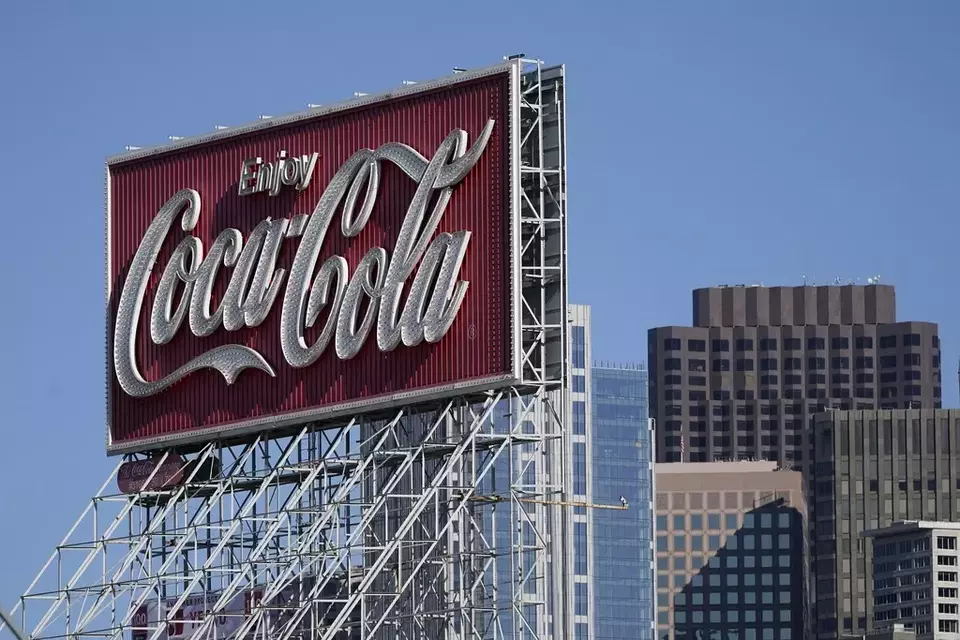
Los Angeles. Los Angeles County is taking on Pepsi and Coke for their role in plastic pollution.
In a lawsuit filed Wednesday, the county alleged PepsiCo and Coca-Cola companies have misled the public about the recyclability of their plastic bottles and downplayed the negative environmental and health impacts of plastic disposal.
“Coke and Pepsi need to stop the deception and take responsibility for the plastic pollution problems your products are causing," LA County supervisor Lindsey Horvath said in a statement. "Los Angeles County will continue to address the serious environmental impacts caused by companies engaging in misleading and unfair business practices.”
Coca-Cola owns brands like Dasani, Fanta, Sprite, Vitamin Water, and Smartwater, while PepsiCo owns Gatorade, Aquafina, Mountain Dew, and more. The two companies have been ranked as the world's top plastic polluters for five consecutive years, and Coca-Cola has taken the number one spot for six years, according to global environmental group Break Free From Plastic.
PepsiCo produces approximately 2.5 million metric tons of plastic and Coca-Cola produces approximately 3.224 million metric tons of plastic annually, according to Break Free from Plastic.
A European Union consumer protection group and environmental organizations filed a legal complaint against Coca-Cola, Nestle, and Danone last November, accusing them of being misleading when representing packaging as 100 percent recycled or 100 percent recyclable.
The LA lawsuit said Coca-Cola and PepsiCo have employed “disinformation campaigns” for consumers to purchase single-use plastic, believing them to be recyclable and less harmful to the environment.
It alleged that both companies promised to create a “circular economy” for its bottles, in which plastic bottles can be recycled and reused an endless number of times, while in reality plastic bottles can only be recycled once, if at all.
The American Beverage Association, which PepsiCo and Coca-Cola are a part of, denied the lawsuit’s accusations about their plastic bottle recycling labels.
“The allegation that our packaging is not and will not be recycled is simply not true,” the group’s spokesperson William Dermody said in a statement.
Dermody said California had a 71 percent bottle recycling rate in 2023, one of the highest in the country, and that their bottles are “designed to be recycled and remade and can include up to 100 percent recycled plastic.”
In 2022 alone, an estimated 121,324 to 179,656 tons of plastic waste leaked into the land and ocean in California, and plastics make up seven of the top 10 litter products found on beaches, the lawsuit states.
A big part of the problem is microplastics.
Plastics that have leaked into the environment eventually disintegrate into tiny pieces of plastic measuring five millimeters or less. They can affect soil and plant growth, marine and fish life, and are nearly impossible to remove from the environment, the lawsuit states.
Some Australian researchers, on behalf of the World Wildlife Fund, calculated in 2019 that many people each week consume roughly 5 grams of plastic from common food and beverages, and microplastics have been found in body tissues and organs. Though research is still limited overall, there are growing concerns that microplastics in the body could potentially be linked to heart disease, Alzheimer's and dementia, and other problems.
The lawsuit is seeking a court order to stop the companies’ “unfair and deceptive business practices” as well as restitution for consumers and civil penalties of up to $2,500 per violation.
In February 2020, environmental nonprofit Earth Island Institute filed a lawsuit in California asking for damages and an order for Coca-Cola, PepsiCo, Nestle USA, Procter & Gamble and six other companies to clean up the plastic waste they should be held responsible for.
New York state also sued PepsiCo last November for its role in creating the plastic waste that littering the Buffalo River, which empties into Lake Erie and supplies the city of Buffalo’s drinking water. A judge dismissed the case Thursday, stating in a court filing that there was no “failure to warn” the public on plastic-related dangers and that there was no cause of action to punish the companies for the actions of a third party --people who litter.
Tags: Keywords: as a preferred
Related Articles

French Activists Run Across Java to Raise Awareness of Indonesia’s Waste Crisis
Three French runners crossing Java spotlight Indonesia’s waste crisis, as the country struggles to manage rising plastic pollution.The Latest

Chandra Asri Group Receives Trade Finance Excellence Award, Reinforcing Its Role in Indonesia’s Industrial Development
Chandra Asri Group receives the Trade Finance Excellence Award at CIMB Niaga Business Summit 2026.
AEON MALL Deltamas Brings 11 Sports and Creative Competitions to AEONLYMPIC 2026
AEON MALL Deltamas hosts AEONLYMPIC 2026, featuring 11 sports and creative competitions, with more than 3,100 participants.
Indonesian Stocks Extend Losses for Third Day, Fall 3.64% to 4,996
Indonesian stocks fell 3.64% on Monday, extending losses for a third straight session amid MSCI concerns and tighter trading limits.
Prabowo Calls Meeting on Forest Fires as Haze Reaches Jakarta, Singapore
Prabowo summons senior officials to discuss forest fires as smoke reaches Jakarta and Malaysia pushes for regional action.
Jakarta Outranks Amsterdam in Global Public Transport Survey
Jakarta climbs two places to 15th in Time Out's 2026 public transport survey, with its governor citing better network integration.Most Popular
