



Indonesia to Slash Fuel Imports from Singapore, Eyes Middle East Supply
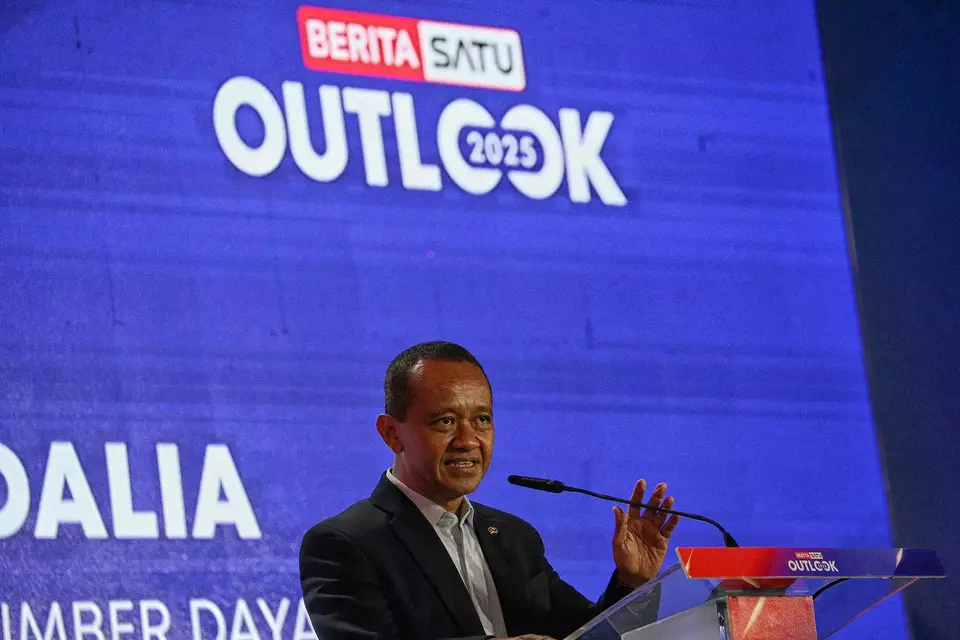
Jakarta. Indonesia is preparing to reduce its reliance on fuel imports from Singapore, citing high prices and geopolitical concerns, Energy and Mineral Resources Minister Bahlil Lahadalia said Friday.
Speaking in Jakarta, Bahlil revealed that Indonesia aims to gradually shift its fuel import sources from Singapore, which currently accounts for 54–59 percent of the country’s imported fuel, to suppliers in the Middle East, where prices are more competitive.
“We’re starting to think that we should import oil from other countries, not from Singapore,” Bahlil said, as quoted by state news agency Antara. “Why should it be more expensive from a country so close to us? It should be cheaper.”
Despite Singapore’s proximity, the cost of importing fuel from the city-state is comparable to imports from the Middle East. This pricing mismatch and broader geopolitical and geo-economic considerations have led Jakarta to seek a more diversified and balanced import strategy.
Indonesia depends heavily on imported fuel, with domestic oil production currently at around 600,000 barrels per day, far short of its daily consumption exceeding 1 million barrels. Singapore, a major refining and trading hub, does not produce crude oil itself but re-exports refined products.
To support the transition, the government plans to build larger port facilities capable of accommodating bigger tankers. Currently, smaller vessels are used for shipments from Singapore, driving up transportation and logistics costs.
“One of the reasons we’re expanding our ports is to allow for one-time large-volume shipments,” Bahlil said. “That means deeper and wider berths.”
This move complements earlier plans announced in December to construct a national oil storage reserve on an island near Singapore. The facility will be used by state-owned energy firm Pertamina to stockpile crude oil, allowing the company to buy in bulk and avoid costly spot market fluctuations.
By reducing reliance on third-party storage and intermediaries, the new strategy aims to improve procurement efficiency and lower overall import costs.
Indonesia’s crude production has declined steadily from 707,000 barrels per day in 2020 to about 600,000 barrels currently. In response, the government has set a production target of 900,000 to 1 million barrels per day by 2029 by utilizing idle wells, in a bid to return to output levels last seen during the country's peak as a member of OPEC in the 1990s.
Tags: Keywords: as a preferred
Related Articles

Indonesia Says Subsidized Fuel Stocks Cover 16–18 Days
Indonesia says fuel reserves remain adequate, with Pertalite stocks covering 16–18 days as Pertamina boosts deliveries.
Indonesia Opens New LPG Plant in West Java to Reduce Import Dependence
Bahlil said the plant was expected to supply around 15% of LPG demand in Jakarta and West Java.
Indonesia Aims $45 Billion Nickel Exports in 2026
Indonesia's nickel exports neared $34 billion in 2024, government data showed.
Bahlil Says B50 Program Shields Indonesia from Diesel Import Disruptions
Indonesia says its B50 biodiesel program has ended diesel imports, even as Middle East tensions threaten global oil supplies.
‘It’s Trump Who Sets Oil Price’: Prabowo’s Brother
Neither the Indonesian government nor OPEC sets the oil price, Hashim Djojohadikusumo says.
Indonesia Rewrites Its Economic Model to Power Faster Growth
Indonesia bets on investment, downstream industries and clean energy to achieve 8% economic growth.
Indonesia Insists on Deciding Singapore Power Export Price
Senior minister Bahlil Lahadalia says that Indonesia doesn't want to sell its electricity cheaply.
Indonesia’s 1M-Bpd Oil Import Gap Is ‘Miserable’, Bahlil Says
Indonesia’s oil lifting meets the 2025 target, but Bahlil calls the 1M-bpd import gap “miserable” as demand hits 1.6M bpd.
Bahlil Signals More Ministries May Join New Downstream Coordination
Bahlil signals one or two more ministries could join the new downstream coordination, with the Industry Ministry among those considered.
Bahlil: Coal Quotas Needed to Protect Indonesia’s Pricing Power
Bahlil says tighter coal quotas are needed to control supply, prevent oversupply and strengthen Indonesia’s influence over coal prices.The Latest

UN Boss Commends Indonesian Forest Protection Despite Persistent Haze Problem
Outgoing UN boss António Guterres' comment comes at an ironic time amid Indonesia's struggle with forest fires.
Indonesia Must Benefit Most From Its Minerals: UN Chief
Outgoing UN chief António Guterres says that Indonesia must "retain a far greater share of the economic value" from its minerals.
Chandra Asri Group Receives Trade Finance Excellence Award, Reinforcing Its Role in Indonesia’s Industrial Development
Chandra Asri Group receives the Trade Finance Excellence Award at CIMB Niaga Business Summit 2026.
AEON MALL Deltamas Brings 11 Sports and Creative Competitions to AEONLYMPIC 2026
AEON MALL Deltamas hosts AEONLYMPIC 2026, featuring 11 sports and creative competitions, with more than 3,100 participants.
Indonesian Stocks Extend Losses for Third Day, Fall 3.64% to 4,996
Indonesian stocks fell 3.64% on Monday, extending losses for a third straight session amid MSCI concerns and tighter trading limits.Most Popular
