



Higher Pertamax Prices Risk Swelling Demand for Subsidized Gasoline
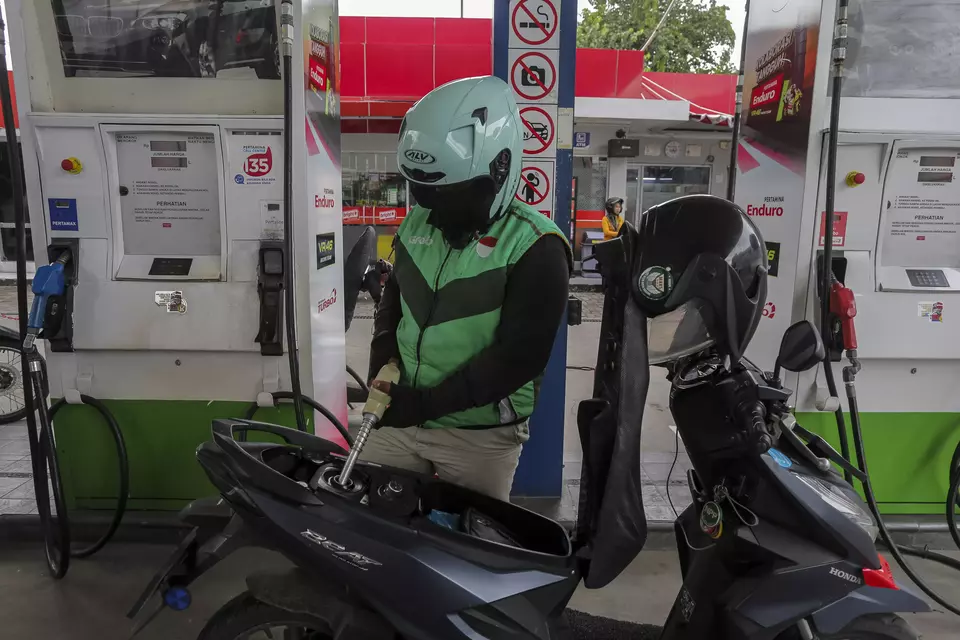
Jakarta. The government's decision to raise the price of Pertamax gasoline from Rp 12,300 to Rp 16,250 per liter is a realistic step toward reducing fiscal pressures, but it could also trigger a large-scale shift by motorists to subsidized fuel, according to an energy analyst.
Fahmy Radhi of Gadjah Mada University said the increase, announced after being held back for three months, suggests the government has begun addressing the growing burden of energy compensation payments.
“After holding back the adjustment for three months, the government has finally raised the price of Pertamax from Rp 12,300 to Rp 16,250 per liter. This indicates that the government is becoming more realistic about reducing budget expenditures for energy compensation,” Fahmy said on Wednesday.
However, he warned that the price gap between Pertamax and subsidized Pertalite has widened significantly, creating a strong incentive for consumers to switch to the cheaper fuel.
With Pertalite remaining at Rp 10,000 per liter, the difference between the two gasoline grades now exceeds Rp 6,000 per liter.
According to Fahmy, a large-scale migration of consumers from Pertamax to Pertalite could undermine the government's objective of reducing fiscal pressures. Higher consumption of subsidized fuel would increase the amount of state support required, potentially offsetting savings from the Pertamax price adjustment.
“A price gap of that magnitude could encourage Pertamax users to migrate to Pertalite. The result would be a larger fuel-subsidy burden. If the migration becomes widespread, the goal of reducing budget expenditures may not be achieved,” he said.
Beyond fiscal concerns, Fahmy warned that a surge in demand for Pertalite could create supply pressures if the government does not adjust distribution quotas accordingly.
“Another consequence of migration from Pertamax to Pertalite would be higher demand for Pertalite. If quotas are not increased following the Pertamax price hike, shortages could occur, leading to queues at fuel stations,” he said.
Such shortages could create broader social tensions and disrupt economic activity, he added.
Government data show that subsidized fuel consumption has already been rising. According to the Finance Ministry, distribution of subsidized fuels reached 6.31 million kiloliters during the January-May 2026 period, an increase of 8.6% from a year earlier. The figure includes subsidized Biosolar diesel, which remains priced at Rp 6,800 per liter.
Energy subsidies also cover three-kilogram LPG cylinders, with distribution reaching 2.86 billion kilograms during the same period, up 2.7% year-on-year. Meanwhile, the number of subsidized electricity customers increased 2.1% to 43 million.
As a result, government spending on energy subsidies and compensation surged to Rp 203.7 trillion ($11.3 billion) in the first five months of 2026, representing a 208% increase from the same period last year.
The latest fuel-price adjustment highlights the difficult balancing act facing policymakers as they seek to contain subsidy costs while avoiding disruptions to fuel supply and consumer purchasing power amid rising energy prices and a weaker rupiah.
Tags: Keywords: as a preferred
Related Articles

Indonesia Says Subsidized Fuel Stocks Cover 16–18 Days
Indonesia says fuel reserves remain adequate, with Pertalite stocks covering 16–18 days as Pertamina boosts deliveries.
Pertamina Holds Fuel Prices Despite Crude Oil Surge Above $100
Pertamina keeps fuel prices unchanged for October despite global crude oil prices rising above $100 per barrel.
Indonesia Cuts 2027 Energy Subsidies by $635 Million
Indonesia will cut 2027 energy subsidies to Rp 261.5 trillion, citing improved recipient data to better target assistance.
Central Government Spending Reaches $100 Billion, Up 29%
Central government spending rose 29% to Rp 1.7915 quadrillion through August, as subsidy and compensation payments increased.
Indonesia Disburses $18.7 Billion in Energy Subsidies, Compensation
Indonesia disbursed Rp 331.4 trillion in energy subsidies and compensation to PLN and Pertamina as of August, up 52.1% year-on-year.
Indonesia Has Enough Fuel, Bahlil Says as Queues Stretch in South Sulawesi
Bahlil says Indonesia has enough fuel for 20 days, blaming long queues on shifting demand and alleged misuse of subsidized fuel.
Indonesia Vows No Subsidized Fuel Price Hike Despite $106 Oil
Indonesia will keep subsidized fuel prices unchanged through 2026 despite crude oil prices rising to around $106 a barrel.
Purbaya Wants Welfare Data Overhauled Ahead of Fuel Subsidy Restrictions
Indonesia is overhauling its welfare database as it prepares to restrict subsidized fuel access for wealthier households.
Indonesia Could Save $1.2 Billion by Restricting Subsidized Fuel for Wealthiest
Indonesia could save Rp21 trillion ($1.2 billion) by restricting subsidized Pertalite gasoline purchases by the country’s wealthiest.
Government Eyes Pertalite Restrictions for Wealthier Car Owners
Indonesia plans to restrict subsidized Pertalite for wealthier motorists while exempting motorcycle users.The Latest

Jakarta Outranks Amsterdam in Global Public Transport Survey
Jakarta climbs two places to 15th in Time Out's 2026 public transport survey, with its governor citing better network integration.
MSCI Concerns, Tighter IDX Trading Rules Send Indonesian Stocks Down 5% by Midday
Indonesian stocks plunge 5% by midday as MSCI concerns weigh on sentiment and the IDX tightens its daily downside limit to 7%.
Jakarta Prepares 367 Health Facilities as Haze Reaches the Capital
Jakarta prepares 367 health facilities to treat potential haze-related illnesses after smoke from Sumatra and Kalimantan crosses the region.
Jakarta Expands Flood Prevention With New Water Storage Ponds
Jakarta opens two East Jakarta water storage ponds as it expands flood prevention efforts through reservoirs and river normalization.
Press Council Highlights AI Ethics at United Tractors Journalist Workshop
United Tractors’ 2026 journalist workshop highlights ethical AI use and the importance of trust and credibility in journalism.Most Popular
