



Bukalapak Ceases Most E-Commerce Operations, Shifts to Utility Payments Amid Stock Decline
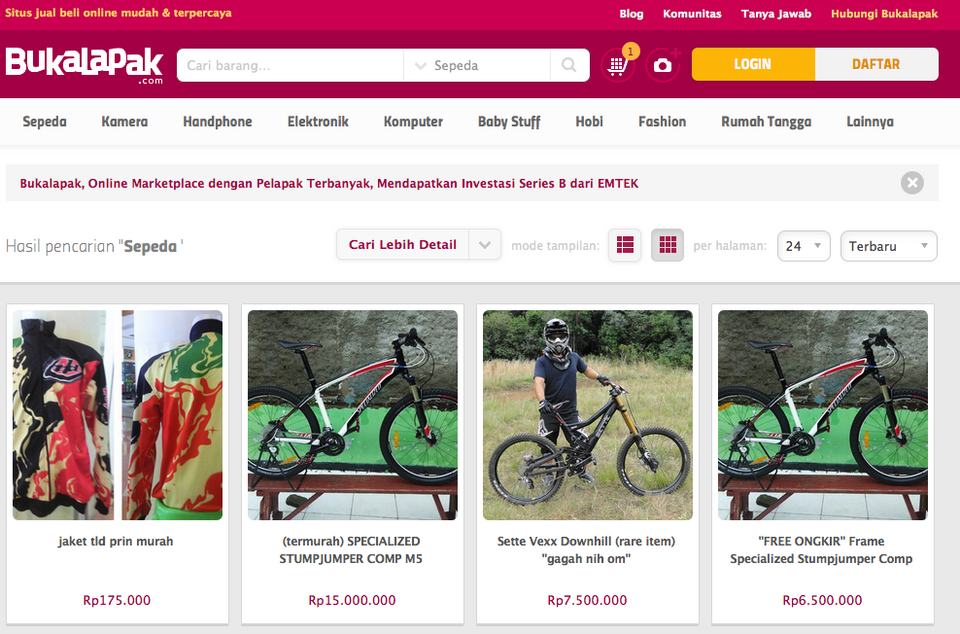
Jakarta. Bukalapak (BUKA), once a leading e-commerce platform in Indonesia and a market sensation after its IPO in August 2021, has announced the closure of its trading platform to focus on utility bill payments.
The e-commerce service will cease operations by March 2, 2025, following the company’s dramatic stock decline. Bukalapak’s shares have plunged by 85.46 percent from their IPO price of Rp 850 to Rp 122, highlighting the challenges faced by the platform in maintaining its competitive edge in Indonesia's booming e-commerce market.
“We fully understand that this change will affect our vendors’ businesses. We are committed to ensuring the smoothest transition possible,” Bukalapak said in a statement on its blog.
The announcement included detailed guidance for vendors and customers on refund processes and how to download transaction histories.
Shift to Utility Payments
Bukalapak’s future focus will center on providing sales and payment services for utility bills, including phone, water, and electricity payments, internet data packages, consumer credit installments, cable TV subscriptions, building taxes, health insurance premiums, and even traffic fines.
The company will retain its retailer networks for specific products, such as electronics, automotive goods, personal care items, and jewelry, signaling a partial continuation of its retail business.
Bukalapak’s decision underscores the intense competition in Indonesia’s e-commerce sector, dominated by major players such as:
- Tokopedia: Part of the GoTo Group, Tokopedia is one of Indonesia's largest e-commerce platforms, offering a wide range of products and services. Its merger with ride-hailing giant Gojek in 2021 created a powerful tech ecosystem in the country.
- Shopee: Backed by Singapore-based Sea Group, Shopee has gained significant traction in Indonesia with aggressive promotional campaigns, seamless logistics, and localized offerings.
- Lazada: Owned by Alibaba Group, Lazada leverages its strong logistical capabilities and financial backing to compete in the Indonesian market.
- Blibli: Operated by local conglomerate Djarum, Blibli focuses on premium products and services, positioning itself as a trusted platform for middle- and upper-income customers.
Despite being one of the first major Indonesian e-commerce platforms to go public, Bukalapak has struggled to keep pace with these competitors, which have invested heavily in technology, logistics, and marketing.
Other big names such as Toko Bagus, Elevania, and JD.ID already shut down businesses due to growing competition.
Tags: Keywords: as a preferred
Related Articles

Government Prepares 50% E-Commerce Fee Discount for Micro, Small Businesses
The government plans to halve e-commerce service fees for micro and small businesses selling domestically made products online.The Latest

Indonesia Records Rp 1.54 Quadrillion in Investment Through September
Cumulative investment since President Prabowo Subianto took office on Oct. 20, 2024, had reached approximately Rp 3.92 quadrillion.
UN Boss Wants to Fix Security Council as Indonesia Seeks Seat
Outgoing UN chief Guterres says the current permanent member setup at the Security Council fails to reflect today's realities.
Saudi Flagship Investment Conference Pushed to 2027 after Houthi Attacks
The annual Future Investment Initiative (FII), often dubbed "Davos in the Desert", was originally scheduled to take place from October 26-29
Government Sets Aside Rp 1.3 Quadrillion for Final-Quarter Spending
Government spending has reached Rp 2.66 quadrillion, equivalent to 69.2% of the full-year budget target of Rp 3.84 quadrillion.
Indonesia Probes 98 Corporate Wildfire Cases, Including Possible Foreign Links
Police investigate 98 corporate-related wildfire cases, including possible links to investors from neighboring countries.Most Popular
