



A Blind Spot No More, the World is Watching Indonesia

Compared to its predecessors, the foreign policy of the Prabowo administration is active -- even urgent -- in nature. From the Ukraine and Middle Eastern conflicts to balancing the BRICS and OECD groupings, Indonesia is on the move, behaving as a $1.4 trillion economy should.
There has been a recognition, surely, that Indonesia can either shape or be shaped by geopolitics. Those nations conflicted on strategy and short of hard power, in other words, most of Europe, live at the whim of greater powers. For the President, this suppliance is unthinkable.
And so Indonesian policy has evolved, on paper and in tone. The South China Sea is viewed through a more economic lens, related to but not inseparable from a definite tilt towards the China-Russia axis. This tilt was predictable given the President’s long-standing opposition to perceived Western interference, which in turn explains the entry into BRICS.
Pundits have long demanded that Indonesia ‘plays its part’ in foreign affairs. This administration has answered the call. It will continue to act decisively, often to the irritation of the broadly liberal international commentariat.
Much of the Indonesian corporate sector, however, is yet to follow on.

A notable exception, despite its critics, is Danantara. The new national investment agency aims to emulate Singapore’s sovereign wealth fund, Temasek, and is off to a brisk start with, for example, the inking of a $4 billion partnership with Qatar.
Elsewhere, corporate leaders seem unable to shake the belief that the world isn’t interested in Indonesia. They are dead wrong. Foreign investors -- states and entities alike -- could never overlook such a huge market so brimming with natural resources. Activists and their media amplifiers are drawn to Indonesia for similar reasons.
Recent debates over nickel mining in Raja Ampat are a matter for the government, given the sector’s huge economic importance to Indonesia, but it is nonetheless highly instructive.

Locals may have organized protests, as is their right. But it was a string of stunts and viral social media content from Greenpeace, the tactically aggressive environmental NGO, that prompted the President’s intervention.
Every major international media title has since reported the case. Reporting recognizes that Indonesia’s fiscal position depends on its natural resources -- but media interest in Raja Ampat won’t dissipate quickly.
From a communications perspective, scrutiny must be met with strategy.
Political and stakeholder relations are not enough -- corporate leaders must consider international perceptions of their business practices. At minimum, they will need to explain their decisions (engagement); ideally, they will proactively justify why they are taking them (leadership).
To readers of relevance, it certainly serves to set the record before it’s set for you. Once on the back foot, corporates have to work overtime -- firefighting media and potentially public hostility -- just to shift their reputations back to neutral.
And don’t forget that the past is prologue: future initiatives and activities -- whatever their merits -- are often destined to be seen through the prism of past challenges. Reputational soft spots must therefore be acknowledged, not hidden; professional plans put in place to anticipate criticism.
If this is a warning, there are opportunities too.
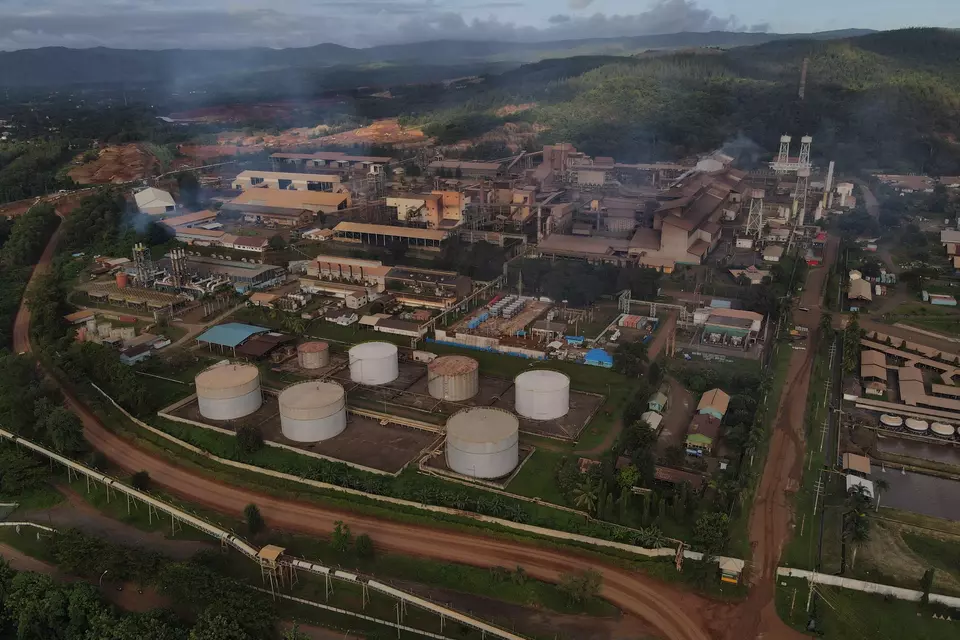
The Indonesian nickel industry has a good story to tell, not least powering the EVs beloved by its most ardent critics. Agricultural firms are increasing food security, essential in a fragmenting global economy. And the B2C tech ecosystem, rooted in Jakarta, satisfies consumer demands on an almost hourly basis -- a dream story for any publicist.
The Indonesian dream, more importantly, has long been an international status that befits its size, talents, and natural potential. In this sense, recent media furors are a symptom of success. The best response? To embrace and anticipate scrutiny in equal measure.
---
Victor Haggard serves as Senior Account Director at the strategic communications firm Farrant Group.
The opinions expressed are solely those of the author and do not necessarily reflect the views of the Jakarta Globe.
 as a preferred
Related Articles

Students Plan Jakarta Protests to Mark Two Years of Prabowo's Presidency
Police have advised the public to avoid areas around the House of Representatives complex, the National Monument and the State Palace.
Indonesia Targets Integrated Textile Industry with Rp 100 Trillion Investment
The initiative is part of a broader strategy to consolidate existing manufacturers and strengthen their competitiveness.
Danantara to Form Joint Investment Fund with Egypt
Danantara has yet to issue a statement on this, but a joint statement showed it had been in talks with the Future of Egypt agency.
Danantara to Follow OJK Rules on IDX Ownership
Danantara says that it is still deliberating on the decision, but will follow OJK rules if it decides to acquire IDX stake.
Garuda Indonesia Names Thomas Oentoro as New CEO
Garuda Indonesia appoints Thomas Oentoro as CEO as the airline’s revenue grows and losses narrow, despite renewed negative equity.
Danantara Plans New Committee to Prevent Overinvestment
Danantara has floated plans to establish a committee meant to make sure that SOEs are making the right investment decision.
Danantara Defends Overdue Financial Statement
Danantara says that cross-checking the figures across 1,074 companies takes time.
Some State Companies Set for 2027 IPO: Danantara
The last SOE to go public was Pertamina Geothermal Energy back in 2023.
Danantara Invests $250 Million in US Oil Producer
Danantara announced that it would invest $250 million investment in the Texas-based HighPeak Energy, which operates Permian Basin.
Danantara Yet to Decide on Funding for Used Train Imports from Japan
Danantara has yet to decide whether to fund KAI’s plan to import used Japanese trains as it weighs costs, benefits and domestic capacity.The Latest
Students Plan Jakarta Protests to Mark Two Years of Prabowo's Presidency
Police have advised the public to avoid areas around the House of Representatives complex, the National Monument and the State Palace.
UN Boss Commends Indonesian Forest Protection Despite Persistent Haze Problem
Outgoing UN boss António Guterres' comment comes at an ironic time amid Indonesia's struggle with forest fires.
Indonesia Must Benefit Most From Its Minerals: UN Chief
Outgoing UN chief António Guterres says that Indonesia must "retain a far greater share of the economic value" from its minerals.
Chandra Asri Group Receives Trade Finance Excellence Award, Reinforcing Its Role in Indonesia’s Industrial Development
Chandra Asri Group receives the Trade Finance Excellence Award at CIMB Niaga Business Summit 2026.
AEON MALL Deltamas Brings 11 Sports and Creative Competitions to AEONLYMPIC 2026
AEON MALL Deltamas hosts AEONLYMPIC 2026, featuring 11 sports and creative competitions, with more than 3,100 participants.Most Popular
