



Vietnam Clinches Russian Nuclear Power Deal, What About Indonesia?
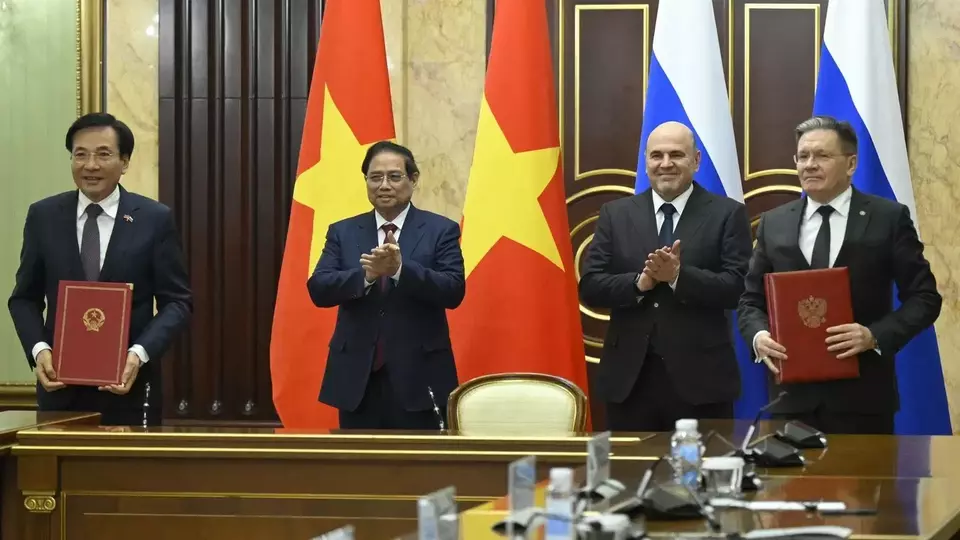
Jakarta. Vietnam is reviving its nuclear power ambitions with a new Russian deal, amidst budding interest in atomic energy from several ASEAN members, including Indonesia.
Vietnamese Prime Minister Pham Minh Chinh’s four-day Moscow trip saw the signing of an intergovernmental pact related to the Ninh Thuan 1 Nuclear Power Plant. It foresees the construction of two Russian-designed power units with VVER‑1200 reactors with a combined capacity of 2,400 megawatts, according to the Moscow-based state atomic energy firm Rosatom. The agency went on to say that power plants with the VVER-1200 reactors — something that Rosatom has offered to Jakarta — comply with the “most stringent international requirements”.
“For us, this is not merely an agreement to build two nuclear power units. We see it as the foundation for a long‑term industrial partnership that will strengthen Vietnam's energy independence and open up new opportunities for economic growth,” Rosatom director general Alexey Likhachev said.
This document has set a building block for Vietnam’s dream of achieving a 6-8% nuclear energy share by 2050. It also breathed new life into Hanoi’s nuclear ambitions that came to an abrupt stop in 2016 due to budget concerns. The freshly signed pact establishes the legal framework for the plant construction, although Rosatom offered little clarity on the timeline. It also shaped the direction of the Russian-Vietnamese cooperation in nuclear power “for decades to come”, the agency stated.
Some ASEAN nations are now eyeing nuclear energy to curb emissions and save costs. The Philippines wants to have its first operational nuclear plant by 2032, with an initial capacity of 1,200 megawatts. Indonesia, too, seeks to start generating electricity from nuclear power by the same year, but is aiming for a smaller capacity of 250 megawatts. Southeast Asia’s biggest economy will then add another 250 megawatts of nuclear power the following year.
At home, President Prabowo Subianto has become accepting of nuclear power generation — even saying that it is the “most affordable option” out there. However, Prabowo wants experts to give the all-clear first, particularly from a safety standpoint.
“[Nuclear power] hinges on what the experts think. If we can use it, then why not? Nuclear power is actually the most affordable and cleanest [energy source],” Prabowo told a recent interview session with senior journalists and analysts.
He also said that what was important was making sure the emissions-free power source was safe to use.

Russia’s VVER technology registers overnight costs of $2,271 per kilowatt-electric (kWe), according to a 2020 report by the International Energy Agency and the Nuclear Energy Agency. Overnight costs include the price tag of the the direct and pre-construction, among others. It also encompasses additional expenses and indirect costs.
Foreign partners are now lining up to take part in Indonesia’s nuclear power agenda. The US and Japan are in the lead. PLN Indonesia Power — a subsidiary of the state utility giant — is teaming up with the Oregon-based nuclear company NuScale to conduct studies to see whether it is feasible to develop a small modular reactor in West Kalimantan. Japanese engineering firm JGC is also backing this project.
The freshly minted nuclear deal with Japan has further ignited Indonesia’s push for nuclear power generation. The agreement — although not legally binding and only lasts five years — also opens doors for Japanese financing via its export credit agencies.
Indonesia’s cooperation with Moscow remains at a nascent stage, despite the countless pitches made by Rosatom and even Russian President Vladimir Putin himself. The Indonesian side has repeatedly stated that actual construction is pending a national nuclear watchdog. This Nuclear Energy Program Implementation Organization (NEPIO) is pending a Prabowo-approved regulatory framework.
Tags: Keywords: as a preferred
Related Articles

Rosatom Signs Deal for 200 MW Floating Nuclear Power Project in Indonesia
Indonesia and Russia sign an agreement for two floating nuclear power units to supply electricity to North Maluku.
Korea Pitches Nuclear Power Investment for Indonesia
South Korea, however, is aware that investing in nuclear energy is a "huge and long-term decision".
ASEAN Turns to Russia for Energy as Indonesian Nuclear Deal Approaches
Russian state nuclear firm Rosatom says it is moving towards agreements on floating nuclear power plants with Indonesia.
Russia and Laos Sign Nuclear Energy Cooperation Agreement
Russia and Laos signed a nuclear cooperation agreement that could pave the way for a future power plant project.
Q&A: Rosatom on Indonesia’s Nuclear Energy Potential
Rosatom says Indonesia has strong potential for nuclear energy growth, including SMRs and floating nuclear power plants.
Russia Eyes Bigger Role in Indonesia’s Energy Future
Russia signals readiness to support Indonesia’s energy security, offering oil, gas and nuclear cooperation.The Latest

MSCI Concerns, Tighter IDX Trading Rules Send Indonesian Stocks Down 5% by Midday
Indonesian stocks plunge 5% by midday as MSCI concerns weigh on sentiment and the IDX tightens its daily downside limit to 7%.
Jakarta Prepares 367 Health Facilities as Haze Reaches the Capital
Jakarta prepares 367 health facilities to treat potential haze-related illnesses after smoke from Sumatra and Kalimantan crosses the region.
Jakarta Expands Flood Prevention With New Water Storage Ponds
Jakarta opens two East Jakarta water storage ponds as it expands flood prevention efforts through reservoirs and river normalization.
Press Council Highlights AI Ethics at United Tractors Journalist Workshop
United Tractors’ 2026 journalist workshop highlights ethical AI use and the importance of trust and credibility in journalism.
How Indonesia Can Make Forest Protection Pay
Indonesia can make forest protection pay by channeling international climate funds through ecological fiscal transfers to local governments.Most Popular
