



UGM Detects Hydrogen Gas in Sleman Mystery Fire Investigation
Jakarta. Researchers from the Faculty of Engineering at Gadjah Mada University (UGM) have identified high concentrations of hydrogen gas as the likely cause of a series of mysterious fires that have alarmed residents in a village in Sleman, Yogyakarta.
The finding follows several days of field observations and measurements conducted in Padukuhan Kasuran, Margomulyo Village, Seyegan District, where unexplained fires have repeatedly ignited inside homes and surrounding yards.
The preliminary results were presented during a coordination meeting attended by local authorities, including the Yogyakarta Police's bomb squad unit, the Regional Disaster Mitigation Agency (BPBD), researchers from UPN Veteran Yogyakarta, and other relevant institutions.
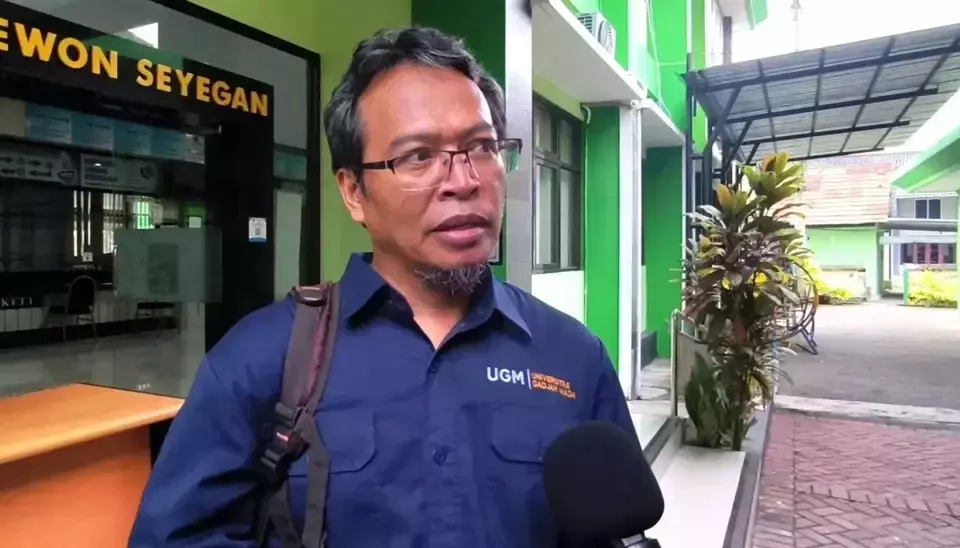
"We reported during the coordination meeting that our team confirmed the presence of gas detected by our instruments. The source of the fires was identified as hydrogen gas," said Sarju Winardi, a researcher from UGM's Faculty of Engineering, on Friday.
In addition to detecting hydrogen gas, the research team also found heat anomalies around affected homes, although the temperature increases were not considered significant. The anomalies remain one of several indicators being monitored as the investigation continues.
According to Sarju, hydrogen's low density allows it to move easily through the atmosphere.
"Hydrogen gas is lighter than air and tends to drift upward," he said.
Based on preliminary assessments, the researchers suspect the hydrogen is generated through the fermentation of organic waste materials by bacteria. The gas then migrates through pores in the soil before gradually escaping into the air.
Once released, the hydrogen may become trapped in porous materials capable of absorbing gases, including damp cloth, sponges, sofas, and other household items with small cavities.
"Our working assumption is that the hydrogen is produced through the bacterial fermentation of organic waste. It enters the soil's pores and gradually escapes into the atmosphere. Because it is lighter than air, it drifts and can become trapped in porous materials such as wet cloth, sponges, sofas, and similar objects," Sarju said. "When enough gas accumulates, it can ignite when exposed to a trigger, including air temperature changes or static electricity, because hydrogen is highly flammable," he added.
Researchers believe static electricity and certain temperature conditions may be sufficient to ignite trapped hydrogen once its concentration reaches a critical level.
The phenomenon first drew public attention after a small fire suddenly broke out inside a resident's home without any apparent source, damaging household furniture and belongings.
Since then, residents have reported similar incidents in multiple homes and yard areas, fueling concerns that the fires could reappear unexpectedly and trigger larger blazes.
Investigations are ongoing to determine precisely how the hydrogen gas is formed and what specific conditions cause the spontaneous ignition events.
Officials hope the UGM team's findings will provide a scientific basis for mitigation measures aimed at reducing fire risks and restoring a sense of security among residents of Padukuhan Kasuran.
Tags: Keywords: as a preferred
Related Articles

Students Plan Jakarta Protests to Mark Two Years of Prabowo's Presidency
Police have advised the public to avoid areas around the House of Representatives complex, the National Monument and the State Palace.
UGM Detects Hydrogen Gas in Sleman Mystery Fire Investigation
UGM researchers detected hydrogen gas in Sleman, suggesting it may be responsible for a series of mysterious fires.The Latest

Ye Concert, Other Events to Draw 130,000 to GBK, Here’s What to Know
Around 130,000 visitors are expected at Jakarta’s GBK on Saturday as Ye’s concert and several major events take place.
Indonesia Allocates Rp 722 Billion for Year-End Flight Ticket Tax Relief
Indonesia allocates Rp 722 billion to cover domestic flight ticket VAT during the 2026/2027 Christmas and New Year holidays.
Greece Floats Shipbuilding Partnership with Indonesia
Greece says that it possesses “extensive expertise” as it woos Indonesia in shipbuilding partnership.
Indonesian Stocks Rally 4.9%, but Foreign Investors Keep Selling
Indonesia’s JCI rose 4.9% last week, but foreign selling and MSCI downgrade risks continue to cloud the market outlook.
Ye Concert in Jakarta to Deploy 2,000 Security Personnel
More than 2,000 personnel will secure Ye’s Jakarta concert on Saturday, as organizers urge fans to use public transport.Most Popular
