



Police Uncover Illegal Used Clothing Imports from S. Korea in Bali
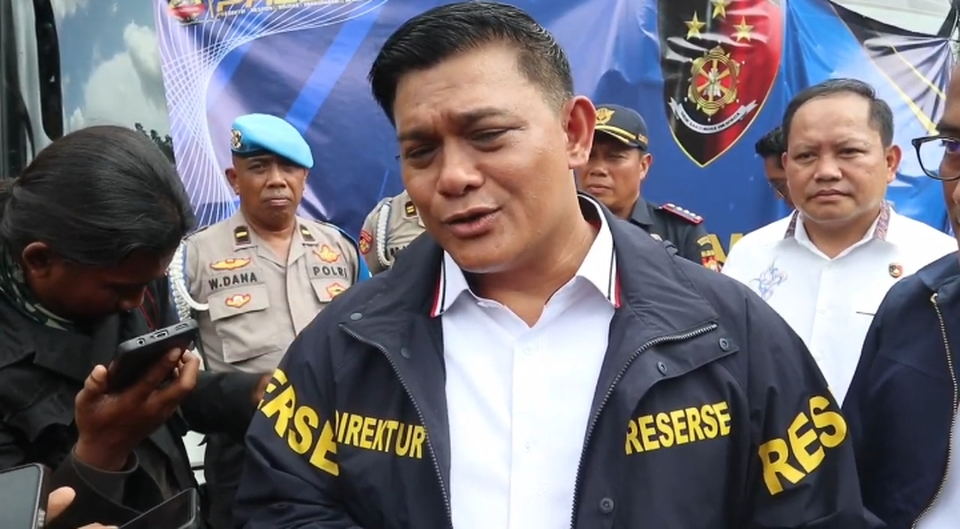
Denpasar. Indonesian police have uncovered a large-scale illegal secondhand clothing import scheme in Bali, arresting two senior executives of a local bus transport company for allegedly laundering profits from thousands of illicit transactions through legitimate businesses.
The National Police’s Directorate for Economic and Special Crimes said the suspects, identified as ZT and SB, are top executives of PT KYM Trans, a Bali-based bus operator. Investigators allege the pair imported used clothing illegally from South Korea and disguised the proceeds as revenue from their transportation business and clothing retail outlets to avoid detection.
Ade Safri Simanjuntak, director of the unit, said the suspects ordered secondhand garments from South Korean suppliers identified as KDS and KIM, both foreign nationals. The shipments were routed through Malaysia before being transported overland to Pekanbaru in Riau province and then sent to a warehouse owned by the suspects in Tabanan, Bali.
“To conceal the money trail, the suspects used personal bank accounts, accounts belonging to other individuals, and remittance services to pay overseas suppliers,” Ade Safri said on Tuesday. The profits from the illegal trade were then blended with income from PT KYM Trans and other lawful businesses to make them appear legitimate, he added.
Police said the operation had been running since 2021 and involved more than 1,900 transactions. Hundreds of bales of used clothing were seized, some of which were intended for sale not only in Bali but also in Bandung and Surabaya.
Authorities have charged ZT and SB under Indonesia’s anti-money laundering law, which carries a maximum sentence of 20 years in prison and fines of up to Rp 10 billion ($600,000). They also face charges under the Trade Law, with additional penalties of up to five years in prison and fines of Rp 5 billion.
As part of the investigation, police seized assets valued at about Rp 22 billion, including 846 bales of secondhand clothing, seven buses, two vehicles, and more than Rp 2.55 billion in cash from bank accounts at BCA and BSI. Investigators also confiscated shipping documents tracing the movement of goods from South Korea to Bali, as well as purchase records for the buses.
Indonesia has banned the import of secondhand clothing under a 2022 trade ministry regulation, citing risks to domestic industry and public health. Despite the ban, thrifting has surged in popularity, prompting the government to pledge tighter enforcement.
The crackdown comes as Indonesia’s textile and apparel industry struggles with cheap imports and mass layoffs. Industry groups estimate around 60 factories closed between 2022 and 2024, eliminating roughly 250,000 jobs, intensifying pressure on authorities to curb illegal trade.
Tags: Keywords: as a preferred
Related Articles

Indonesia’s Customs Revenue Rises 8.6% to Rp 240.3 T by September
Indonesia’s customs revenue rose 8.57% to Rp240.28 trillion through September, reaching 71.51% of its 2026 target.
BPOM Seizes Rp25 Billion in Illegal Imports From China, US and Australia
BPOM seizes Rp25 billion in illegal imports from China, the US and Australia at a Tangerang warehouse.
Indonesia Seizes Illegal Rice, Salt and Used Clothing Worth Rp27.3 Billion
Indonesia seizes illegal rice, salt and used clothing worth Rp27.3 billion in four customs operations.
Indonesian Customs Seizes 43 Containers of Illegal Used Clothing Imports
The Jakarta case stemmed from intelligence reports regarding suspected shipments of used clothing aboard the cargo vessel KM Eden Mas.The Latest

Indonesia First Foreign State to Buy Land in Mecca After Danantara Deal
The purchase also followed Saudi Arabia’s decision to allow foreign property ownership.
'We've Done Everything We Can': OJK Chief as Indonesian Stocks Fall Below 5,000
The OJK launched a broad market reform program in March aimed at bringing Indonesia's capital markets closer to international standards.
Christiane Amanpour to Leave CNN After 43 Years
Her announcement came weeks after media corporation Paramount Skydance formally took over Warner Bros. Discovery, the parent company of CNN.
Indonesia Records Rp 1.54 Quadrillion in Investment Through September
Cumulative investment since President Prabowo Subianto took office on Oct. 20, 2024, had reached approximately Rp 3.92 quadrillion.
UN Boss Wants to Fix Security Council as Indonesia Seeks Seat
Outgoing UN chief Guterres says the current permanent member setup at the Security Council fails to reflect today's realities.Most Popular
