



Jakarta Cracks Down on Restaurant Suspected of Serving Dog Meat
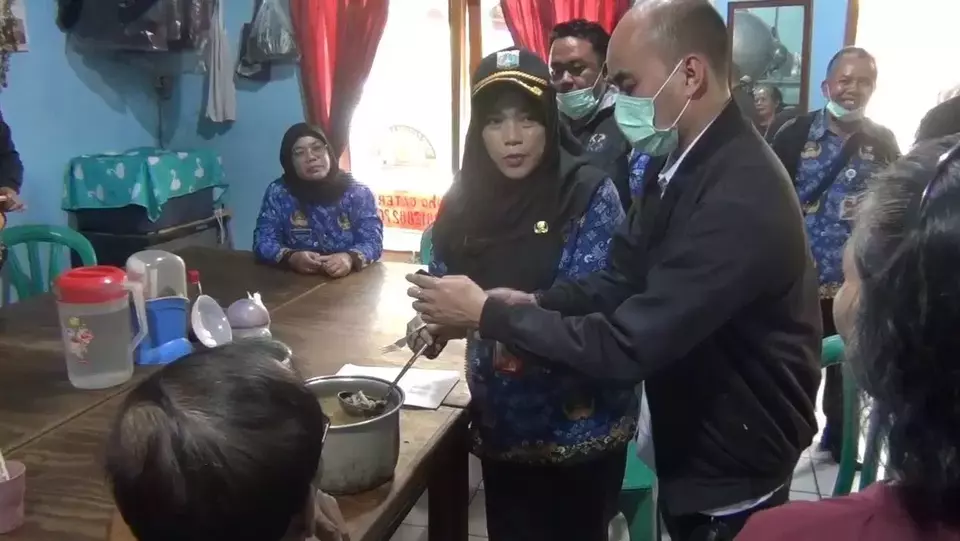
Jakarta. Authorities in Indonesia’s capital have taken action against a restaurant in West Jakarta suspected of continuing to serve dog meat, as the city steps up enforcement of a regulation banning the trade and consumption of animals that can transmit rabies.
Officials from the West Jakarta Food Security, Maritime Affairs and Agriculture Agency (KPKP) and the municipal public order agency (Satpol PP) inspected a restaurant in Cengkareng on Wednesday after finding indications that it was still selling dog meat dishes.
During the inspection, officers collected samples of cooked meat for laboratory testing to verify the type of meat being served. The results will determine whether further legal action is taken.
The enforcement operation follows the implementation of Jakarta Governor Regulation No. 36/2025, which prohibits the trading, slaughtering and consumption of rabies-transmitting animals, including dogs. The regulation was introduced as part of efforts to strengthen public health protections and animal welfare standards in the capital.
West Jakarta KPKP chief Bety Rohmawati said authorities had previously identified four restaurants suspected of selling meat from rabies-transmitting animals. Following a series of outreach and education efforts that began in February, three restaurants stated they had stopped serving the prohibited dishes, while one admitted it was still offering them.
Authorities monitored the businesses for three months before conducting follow-up inspections to assess compliance with the regulation.
“If we find that a restaurant is still selling prohibited menu items, we will take meat samples for testing at the Jakarta Animal Health Laboratory,” Bety said. “The results of the examination will serve as the basis for further enforcement measures.”
The issue of dog meat consumption has long been debated in parts of Indonesia, where it is consumed in some regions despite growing opposition from animal welfare groups and public health advocates. Campaigners have argued that the dog meat trade poses risks for the spread of rabies and other zoonotic diseases, while also raising concerns about animal cruelty.
Read More:
Jakarta Enforces Ban on Dog and Cat Meat as a preferred
Related Articles

Jakarta Cracks Down on Restaurant Suspected of Serving Dog Meat
Jakarta authorities tested meat samples from a restaurant suspected of violating the city’s ban on dog meat sales.The Latest

Jakarta Outranks Amsterdam in Global Public Transport Survey
Jakarta climbs two places to 15th in Time Out's 2026 public transport survey, with its governor citing better network integration.
MSCI Concerns, Tighter IDX Trading Rules Send Indonesian Stocks Down 5% by Midday
Indonesian stocks plunge 5% by midday as MSCI concerns weigh on sentiment and the IDX tightens its daily downside limit to 7%.
Jakarta Prepares 367 Health Facilities as Haze Reaches the Capital
Jakarta prepares 367 health facilities to treat potential haze-related illnesses after smoke from Sumatra and Kalimantan crosses the region.
Jakarta Expands Flood Prevention With New Water Storage Ponds
Jakarta opens two East Jakarta water storage ponds as it expands flood prevention efforts through reservoirs and river normalization.
Press Council Highlights AI Ethics at United Tractors Journalist Workshop
United Tractors’ 2026 journalist workshop highlights ethical AI use and the importance of trust and credibility in journalism.Most Popular
