



Indonesia Prepares Hajj Contingency Plans as Middle East Tensions Threaten Flight Routes
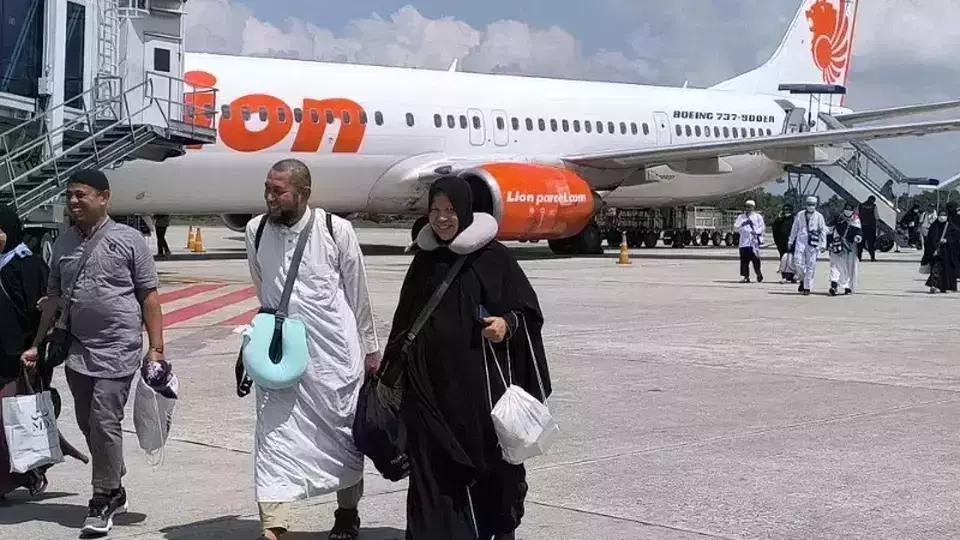
Jakarta. Indonesia is preparing contingency plans for the 2026 hajj pilgrimage as tensions in the Middle East raise concerns over potential disruptions to flight routes to Saudi Arabia.
Deputy Minister of Hajj and Umrah Dahnil Anzar Simanjuntak said the government is assessing several scenarios to ensure the safety of Indonesian pilgrims should the regional conflict escalate and affect flight corridors. One option under consideration is adjusting the flight path to avoid sensitive airspace in the Middle East.
“We are preparing alternative routes, for example, by changing the flight path. This will require coordination with aviation authorities and with Saudi Arabia as well as other countries that will assess possible routes,” Dahnil said at the State Palace on Tuesday. He added that lawmakers had also floated the possibility of flights taking a southern route or passing through Africa as a precautionary measure.
Beyond route adjustments, the government is also weighing the possibility of postponing departures if the situation on the ground threatens pilgrims’ safety. “The scenario could be similar to what happened during Covid. If the situation endangers pilgrims or threatens their safety, postponement could become an option,” Dahnil said, noting that any decision would require consultation with the House of Representatives.
Dahnil said the government would continue coordinating with the legislature to determine the final arrangements for the pilgrimage should the Middle East conflict intensify.
He also emphasized that President Prabowo Subianto had instructed the ministry to place the safety of Indonesian pilgrims above all considerations. “The president has made it clear that our orientation at the Hajj Ministry is the same as his — the safety of pilgrims must be the first and foremost priority,” Dahnil said.
If the geopolitical situation stabilizes, the first batch of Indonesian pilgrims is scheduled to depart on April 22, 2026.
Organizing the Indonesian hajj is one of the largest short-term cross-border human movements in the world. Each year, hundreds of thousands of pilgrims travel from Southeast Asia to the Arabian Peninsula, typically using commercial flight corridors that now intersect with airspace affected by the Middle East’s geopolitical tensions.
Alternative routes, such as southern corridors or paths crossing the African continent, could extend travel times and increase jet fuel costs. Still, the government views the contingency planning as necessary to safeguard Indonesian citizens, drawing lessons from crisis management during the Covid-19 pandemic when hajj operations were halted due to health and safety concerns.
Tags: Keywords: as a preferred
Related Articles

Rupiah Edges Toward Rp 18,000 as Riyadh Attacks Rattle Markets
Rupiah weakens to Rp 17,913 per dollar as Fed rate hike fears, Middle East tensions and MSCI uncertainty weigh on sentiment.
Oil Supply Fears, US Inflation Data Drag Indonesian Stocks Down 2.59%
Indonesian stocks plunged 2.59% as Middle East tensions fueled oil supply fears and investors awaited US inflation data.
Indonesian Stocks Sink Below 6,000 at Midday as Oil, Geopolitical Risks Weigh
Indonesian stocks fall 1.94% below 6,000 as Middle East tensions fuel risk aversion and technical indicators point to further losses.
Indonesia Finds 400,000 Invalid Hajj Records, Slashing Waiting Time to 14 Years
Indonesia found 400,000 invalid records among 5.7 million Hajj registrations, cutting the actual average waiting time to 14 years, officials
Indonesia Introduces New Hajj Service Rating System, 2026 Score Deemed 'Satisfactory'
Indonesia introduced a new Hajj service index, giving 2026 pilgrimage services a satisfactory score of 83.28 after a broader review.
Indonesia Stocks Slip After Late Sell-Off Wipes Out Intraday Gains
Indonesia's JCI fell 0.3% after a late-session sell-off erased gains built earlier in the day as investors weighed domestic and global cues.
Indonesia Stocks Buck Regional Selloff on Healthy Debt Outlook
Indonesia stocks rose 1.1%, bucking regional losses as investors welcomed healthy external debt data despite global tensions.
Jakarta Stocks Drop Nearly 1% as Geopolitical Fears Overshadow MSCI Hopes
JCI fell 0.98% as Middle East tensions and investor caution ahead of MSCI's review weighed on sentiment.
ASEAN+3 Growth Seen Slowing to 4% Amid Middle East Risks: AMRO
AMRO expects ASEAN+3 growth to slow to 4% as Middle East tensions, oil prices, and tariff uncertainty cloud outlook.
Investors Unconvinced by Government Efforts as JCI Falls Nearly 2%
JCI fell 1.85% as Middle East tensions, weak China data, and a rupiah slide past 17,600 rattled investors.The Latest

Ye Concert, Other Events to Draw 130,000 to GBK, Here’s What to Know
Around 130,000 visitors are expected at Jakarta’s GBK on Saturday as Ye’s concert and several major events take place.
Indonesia Allocates Rp 722 Billion for Year-End Flight Ticket Tax Relief
Indonesia allocates Rp 722 billion to cover domestic flight ticket VAT during the 2026/2027 Christmas and New Year holidays.
Greece Floats Shipbuilding Partnership with Indonesia
Greece says that it possesses “extensive expertise” as it woos Indonesia in shipbuilding partnership.
Indonesian Stocks Rally 4.9%, but Foreign Investors Keep Selling
Indonesia’s JCI rose 4.9% last week, but foreign selling and MSCI downgrade risks continue to cloud the market outlook.
Ye Concert in Jakarta to Deploy 2,000 Security Personnel
More than 2,000 personnel will secure Ye’s Jakarta concert on Saturday, as organizers urge fans to use public transport.Most Popular
