



US Slams Indonesia’s QRIS Policy as Trade Barrier, BI Open to Cooperation
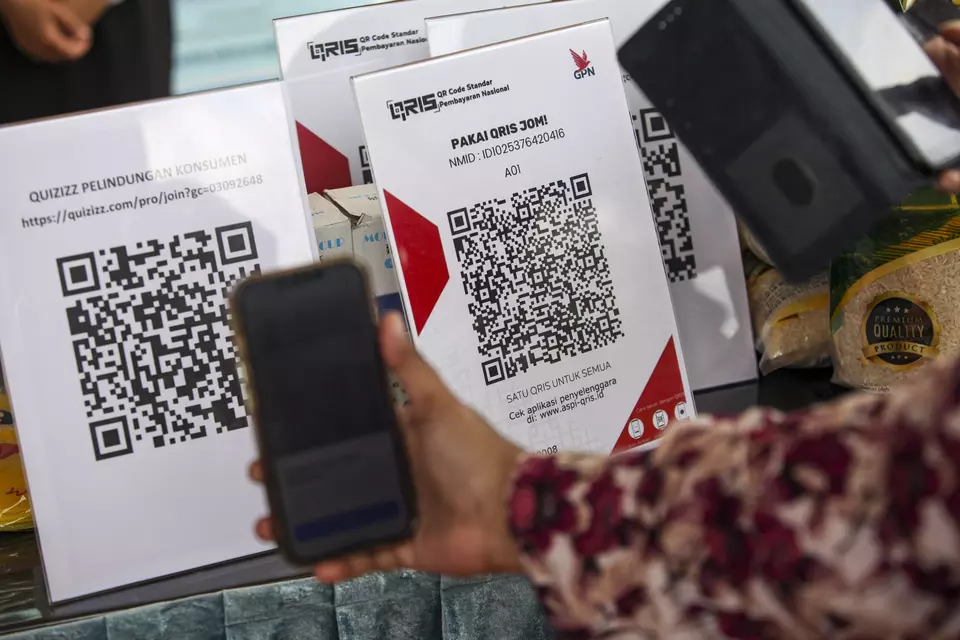
Jakarta. The United States has raised concerns over Indonesia’s Quick Response Code Indonesian Standard (QRIS), citing it as a trade barrier due to the perceived exclusion of American payment service providers during its policy formulation. The issue was highlighted in the latest trade barriers report by the Office of the United States Trade Representative (USTR), which also flagged several other Indonesian digital payment policies.
USTR said US companies, including banks and digital payment firms, were not given the opportunity to provide input during the development of Indonesia’s QR code regulations. The policy, formalized under Bank Indonesia Regulation No. 21/2019, lacked transparency and consultation, the report stated.
“In developing the QR Code system, stakeholders, including international ones, were not adequately informed about the nature of potential changes or invited to share views on how the system might interact with existing global payment frameworks,” the USTR report noted.
In response, Bank Indonesia’s Senior Deputy Governor Destry Damayanti said the central bank is open to working with any country, including the United States, on QRIS and other fast payment technologies.
“If the US is ready, we’re ready. Why not collaborate?” Destry said in Jakarta on Monday.
She added that Indonesia does not discriminate when it comes to forming digital payment partnerships, and cooperation hinges on mutual preparedness. Destry also pointed out that US financial giants such as Visa and Mastercard still dominate the local credit card market, suggesting that American firms remain well-integrated into Indonesia’s payment ecosystem.
“Visa and Mastercard are still major players in our credit card space, so really, there’s no issue,” she said.
QRIS usage continues to surge in Indonesia, with Bank Indonesia reporting a 163.32 percent year-on-year growth in transactions as of February 2025, driven by rising user and merchant adoption.
Beyond QRIS, the US also criticized other Bank Indonesia policies, including the implementation of the National Payment Gateway (GPN) under Regulation No. 19/08/2017. This rule restricts foreign ownership to 20 percent for companies seeking switching licenses within the GPN, effectively barring cross-border electronic payment services for domestic debit and credit card transactions.
The USTR also objected to another BI regulation, No. 19/10/PADG/2017, which mandates foreign companies to establish partnerships with licensed Indonesian switching providers to process domestic transactions via GPN. According to USTR, these partnerships require BI approval and must demonstrate support for local industry development, including technology transfer commitments.
Tags: Keywords: as a preferred
Related Articles

Rupiah Breaks Rp 18,000 as MSCI Review Triggers Market Turmoil
Rupiah breached Rp 18,000 per USD as MSCI's proposed market reclassification rattled investor sentiment and intensified market pressure.
Indonesia’s External Debt Rises to $459.3 Billion in August
Indonesia’s external debt rose 5.6% year-on-year to $459.3 billion in August, as public borrowing offset a decline in private debt.
Indonesia Pushes Rupiah-Yuan, Rupiah-Ringgit Trade to Reduce Dollar Demand
BI is urging greater use of local currencies in cross-border trade to reduce dollar demand as the rupiah trades beyond Rp 18,000.
Indonesia, Hong Kong Move to Connect QR Payment Systems
Indonesia and Hong Kong are exploring a link between their QR payment systems to facilitate faster and easier cross-border transactions.
Indonesia Wants to Link QR Payment with Timor-Leste
In ASEAN, Indonesia's QRIS payment system is already available in Singapore, Thailand, and Malaysia.
Indonesian Stocks Rebound as Strong Domestic Liquidity Offers Support
Indonesian stocks rebound at Friday's open as solid domestic liquidity offsets pressure from oil prices and rising US Treasury yields.
BI Cites US Treasury Yields, $100 Oil as Rupiah Comes under Pressure
The rupiah weakened toward Rp 17,900 as rising US Treasury yields, oil above $100 and portfolio outflows pressured the currency.
Bank Indonesia Says Digital Money Won’t Replace Cash
Bank Indonesia says digital payments will complement rather than replace cash as Indonesia accelerates its shift to digital transactions.
Indonesia to Have Renminbi Clearing Bank by Q4 2026
Indonesia plans to have two renminbi clearing banks, with one of them likely to be operated by a state-run bank.
Rupiah Weakens to Rp 17,862 as Indonesia’s External Debt Hits $453.4B
Rupiah weakened to Rp17,862 as Indonesia’s external debt rose 4.4% to $453.4 billion in the second quarter.The Latest

Chandra Asri Group Receives Trade Finance Excellence Award, Reinforcing Its Role in Indonesia’s Industrial Development
Chandra Asri Group receives the Trade Finance Excellence Award at CIMB Niaga Business Summit 2026.
AEON MALL Deltamas Brings 11 Sports and Creative Competitions to AEONLYMPIC 2026
AEON MALL Deltamas hosts AEONLYMPIC 2026, featuring 11 sports and creative competitions, with more than 3,100 participants.
Indonesian Stocks Extend Losses for Third Day, Fall 3.64% to 4,996
Indonesian stocks fell 3.64% on Monday, extending losses for a third straight session amid MSCI concerns and tighter trading limits.
Prabowo Calls Meeting on Forest Fires as Haze Reaches Jakarta, Singapore
Prabowo summons senior officials to discuss forest fires as smoke reaches Jakarta and Malaysia pushes for regional action.
Jakarta Outranks Amsterdam in Global Public Transport Survey
Jakarta climbs two places to 15th in Time Out's 2026 public transport survey, with its governor citing better network integration.Most Popular
