



The Foreign Investors Who Invested in Indonesia in 2024

Jakarta. On countless occasions, then-President Joko “Jokowi” Widodo had often said that investments -- both from home and abroad -- would become a major driver of economic growth and job creation. To make Indonesia more attractive to investors, Jokowi inked an omnibus law on jobs that primarily aimed to cut bureaucratic red tape to investment. The Jokowi administration even began banning exports of raw minerals, starting with nickel, in hopes that foreign companies would move their production to Indonesia.
Southeast Asia’s largest economy today has Jokowi’s former political rival Prabowo Subianto at its helm. Prabowo, too, appears to share the intention of wanting to make Indonesia as business-friendly as possible. He even once told American investors to contact him should they encounter any problems when doing business in Indonesia.
The government to this day has yet to reveal how much foreign direct investment (FDI) Indonesia has recorded throughout 2024. The latest data only includes the FDI figures up to September.
But according to the Investment Ministry, Indonesia amassed Rp 654.4 trillion (about $40.4 billion) in FDI in the first 9 months of 2024. They made up nearly 51.9 percent of the total investments that period, which amounted to Rp 1,261.4 trillion. Singapore kept its position as Indonesia’s largest foreign investor, contributing nearly $14.4 billion in FDI. Followed by Hong Kong (almost $6.1 billion), China (around $5.8 billion), and the US ($2.8 billion). Malaysia came in fifth with $2.7 billion.
But 2024 was quite an eventful year for Indonesia in its quest to attract international investors. Some began working on their respective projects, others finally launched the operations of their manufacturing plants. Indonesia secured some investment commitments from a number of international institutions. The following is a recap of Indonesia’s foreign investors this year.
Southeast Asia’s First EV Battery Plant
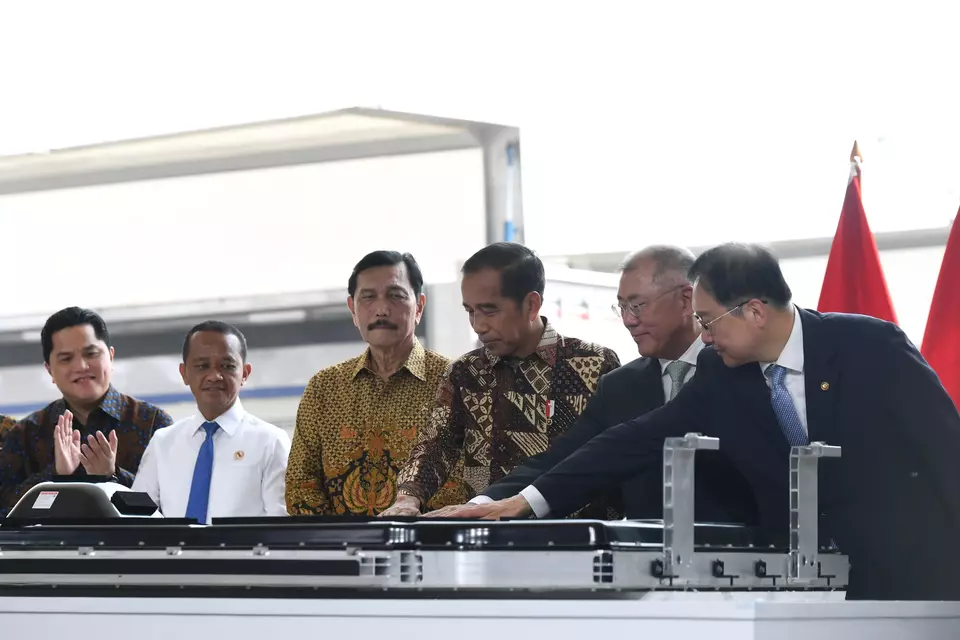
“Hilirisasi”, the Indonesian term for downstream industry development, was a word that almost never failed to come out of Jokowi’s mouth in his speeches. Jokowi wanted Indonesia to process its minerals at home so the country could make its way to the global electric vehicle (EV) supply chain, among others. Despite the export ban, it keeps its doors wide open for foreign companies who wish to set up manufacturing plants in the nickel-rich Indonesian soil. This strategy eventually bore fruit.
Earlier this year, Jokowi launched Southeast Asia’s first EV battery cell plant in Karawang, West Java. This is an investment made by HLI Green Power: a joint venture that brings together South Korean automotive manufacturer Hyundai, Seoul-based battery maker LG Energy Solution, and local firm Indonesia Battery Corporation. The project, which broke ground in 2021, comes in phases. It starts with a $1.1 billion investment for the production of 10 gigawatt/hour (GWh) battery cells, which are enough to power 150,000 EVs. The second phase will take up a $2 billion investment, thus doubling the production capacity to 20 GWh of battery cells.
Elon Musk Finally Invests in Indonesia, But It’s Not Tesla
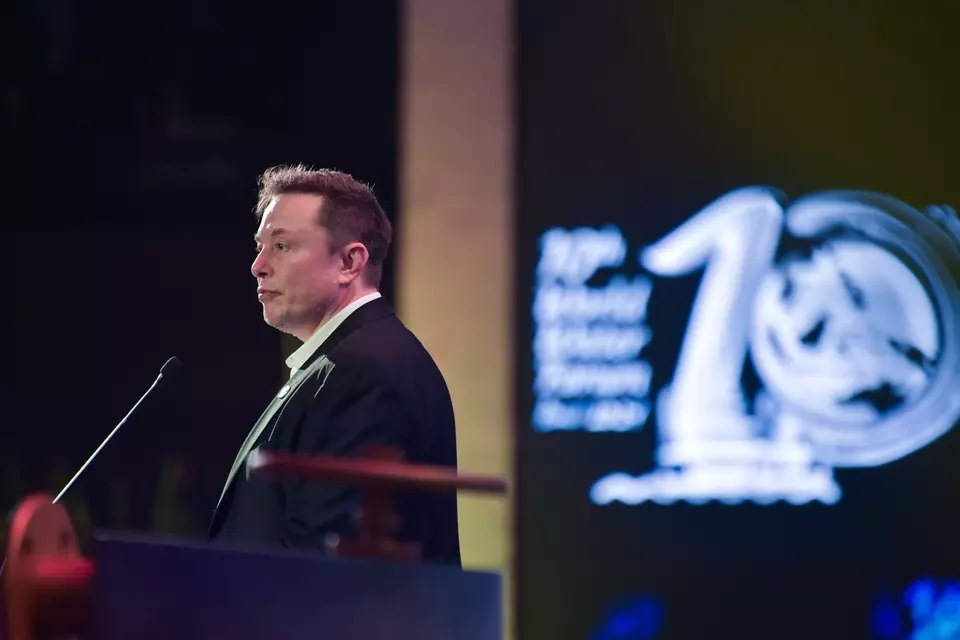
Indonesia has been trying to woo world’s richest person Elon Musk into investing in the country, particularly through his EV business Tesla. Jokowi had met Musk several times with their most recent encounter being at Bali’s World Water Forum in May. Jokowi’s trusted investment czar Luhut Binsar Pandjaitan had also been constantly engaging Musk to finalize the Tesla deal.
The American business tycoon finally put his money in Indonesia. However, it was a deal to get his satellite internet service Starlink running in the world’s largest archipelago nation. Starlink, whose local operations got launched in May, is expected to help Indonesia connect its remote areas to the internet.
Before being put in charge of the energy ministry, Former Investment Minister Bahlil Lahadalia told lawmakers that the Starlink investment was worth $30 billion, and only had 3 registered workers based on the ministry’s online single submission (OSS) system. For reference, the OSS is a system that the ministry uses to process business licenses.
Investment Minister Rosan Roeslani once revealed why Musk was hesitant to close the Tesla deal. Rosan said that Tesla wanted to power its production using clean energy. Indonesia to this day still relies on coal for power generation, although efforts are underway for the country to shift to clean energy sources.
Microsoft’s $1.7 Billion Deal

In late April, Microsoft’s boss Satya Nadella made headlines for visiting the Merdeka Palace. He was on a Southeast Asia tour, and Indonesia was one of the stops. It was also during this Jakarta trip that the American tech conglomerate announced a $1.7 billion investment over the next four years in Indonesia’s new cloud and artificial intelligence (AI) infrastructure. The investment will also go into providing AI skilling opportunities for 840,000 people. This deal officially became Microsoft’s single largest investment in Indonesia. Not long after, Nadella announced a bigger investment package for close neighbor Malaysia, which reached $2.2 billion. The money will go into propelling Malaysia’s digital transformation, including building the country’s AI and cloud infrastructure.
China-Built Lithium Battery Anode Plant
Indonesia so far has established 24 of the so-called “special economic zones” (SEZs). Anyone who invests in these SEZs is eligible for an array of incentives that pretty much roll out the red carpet for their investments. Businesses can enjoy deducted corporate income tax, an easy licensing process, and are not subject to export obligation.
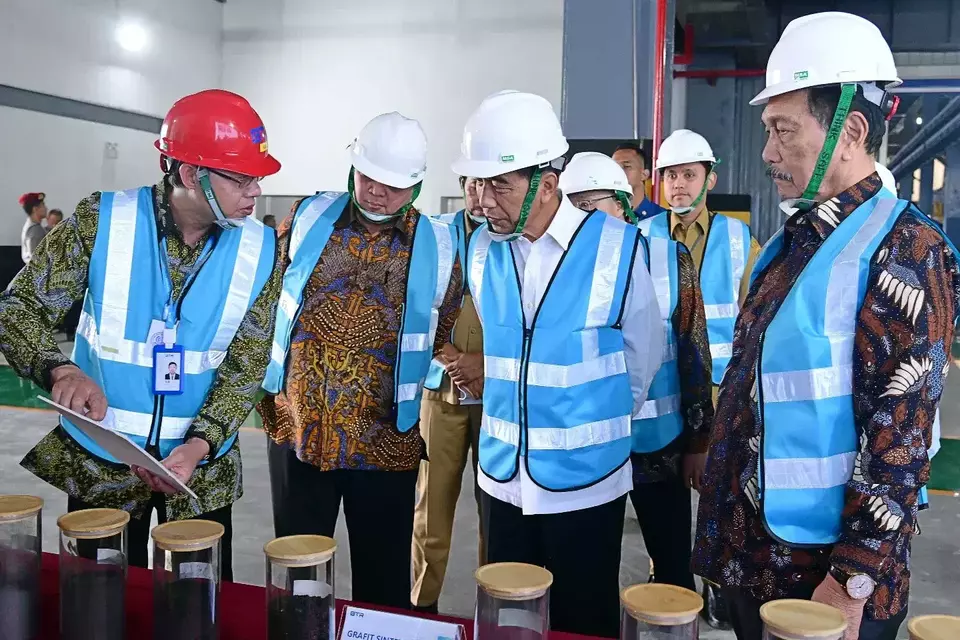
About two months before his retirement, Jokowi launched the anode battery material plant in Kendal SEZ, Central Java. It only took 10 months for Chinese battery material producer BTR to finish its construction. The facility can produce 80,000 tons of anode materials meant for lithium-ion batteries annually in the first phase. This is enough to support the production of 1.5 million EVs. The initial stage of the project holds an investment of up to $478 million. This will be followed by another $299 million investment to double the annual production capacity. The increased production is expected to make Indonesia the world’s second-largest lithium-ion battery anode material producer after China.
New Capital Nusantara
Indonesia is planning to replace the buzzing city of Jakarta with the new capital Nusantara in East Kalimantan. Jokowi has left this mammoth-sized project as one of his legacies after being in power for a decade. Building a new capital has a price tag of $33 billion, although the government only plans on covering 20 percent of the total costs. They want to rely on private funding to cover the rest. His successor Prabowo has pledged to continue with the capital relocation.
But for the first time ever, Nusantara finally saw foreign investors making a direct investment in the second half of this year. Previously, a number of local investors had already invested in the capital.

The Russia-owned Magnum Resort Nusantara officially broke ground in September. This is a luxury housing project that takes up an investment of up to Rp 300 billion, and sits on a 1.3-hectare land. Jokowi also launched the construction of a mixed-use property project belonging to Chinese real estate giant Delonix Group. The Rp 500 billion mixed-use project will house different types of facilities -- starting from hotels to shopping centers -- over a 24,000-square meter land.
Apple Drama
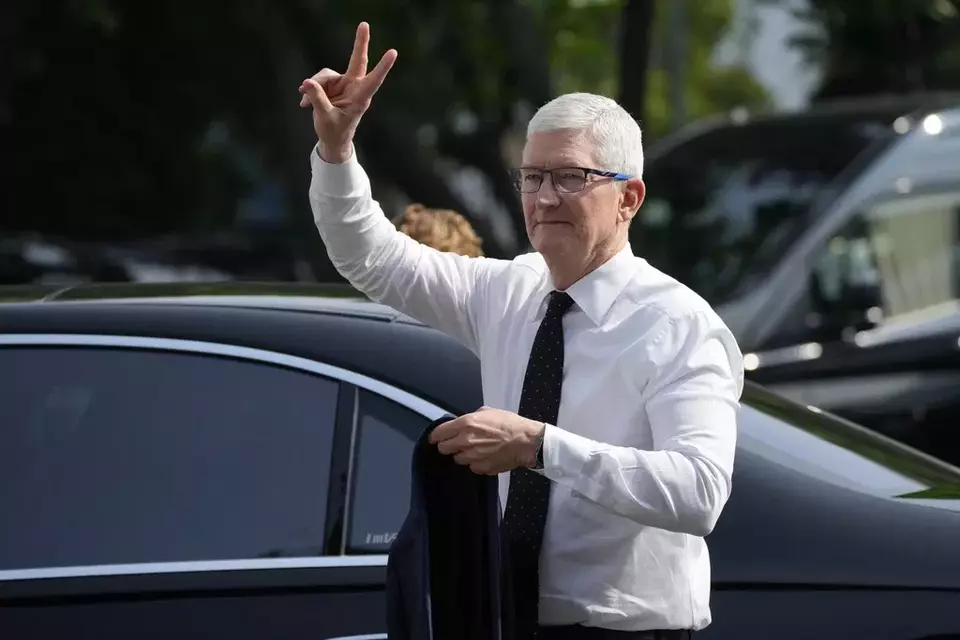
iPhones -- which are pricier compared to its counterparts -- have become a symbol of social status particularly among Indonesian youths. Rentals are even available to let people borrow iPhones just for a day or two, many doing so simply to climb the social ladder. Apple not long ago launched the latest model of its flagship smartphone: the iPhone 16. However, Indonesia has barred Apple from legally selling the iPhone 16 in the country. Jakarta will only lift the ban if Apple can have at least 35 percent of the product components sourced from Indonesia. This local content requirement policy is Indonesia’s strategy to create heaps of employment from foreign investments.
The ban prompted Apple to raise their initially proposed $10 million investment tenfold to $100 million. But again, Indonesia turned down the offer. According to local media reports, Industry Ministry’s spokesman Febri Hendri Antoni Arif revealed that Apple had submitted another proposal worth $1 billion via WhatsApp. The deal, however, is still subject to negotiation. Indonesia has also been nudging the California-based tech giant to have some in-person discussions in Jakarta. The $1 billion investment proposal reportedly includes the plan to construct a factory for AirTag, a device that can help its users track lost items.
Counting Down to 2025
In his final year as president, Jokowi had been quite busy launching foreign-owned projects here and there. About two months have passed since Prabowo assumed power in late October. The ex-army general has yet to attend any major groundbreaking ceremonies. Even so, Prabowo had spent quite some time overseas since being inaugurated. He also did not come home empty-handed from his international trips.
Prabowo brought $10 billion worth of business deals from his Beijing trip last month. When Prabowo visited London not long after, he booked $8.5 billion in business commitments from British firms. Prabowo recently sent Rosan for another trip to China for another round of talks with local businesses. Rosan claimed that he received new investment pledges worth nearly $7.5 billion. Some of the Chinese companies that Rosan met included automaker Geely and polyethylene terephthalate or PET plastic maker Wankai New Materials. While this is all good news for the Prabowo administration, it is now up to the government and the companies involved to make sure that these deals make some meaningful progress next year.

 as a preferred
Related Articles

Prabowo Calls Meeting on Forest Fires as Haze Reaches Jakarta, Singapore
Prabowo summons senior officials to discuss forest fires as smoke reaches Jakarta and Malaysia pushes for regional action.
Books on Prabowo's Ideas Distributed Free at Jakarta Car-Free Day
Prabowo, who took office on Oct. 20, 2024, will mark the second anniversary of his presidency on Tuesday.
Indonesia Says Subsidized Fuel Stocks Cover 16–18 Days
Indonesia says fuel reserves remain adequate, with Pertalite stocks covering 16–18 days as Pertamina boosts deliveries.
Two Years Into Prabowo Presidency, Infrastructure Takes Back Seat
Prabowo’s social spending push raises concerns over infrastructure delays and uneven growth beyond Java.
Indonesia Opens New LPG Plant in West Java to Reduce Import Dependence
Bahlil said the plant was expected to supply around 15% of LPG demand in Jakarta and West Java.
Ukraine Accuses US of Helping Russia as Missiles Hit Kyiv
Zelensky called on US tech billionaire Elon Musk to restore Starlink, which Kyiv says has been slowed down.
Indonesia Aims $45 Billion Nickel Exports in 2026
Indonesia's nickel exports neared $34 billion in 2024, government data showed.
Prabowo Orders PLN Overhaul, Acceleration of 100 GW Solar Power Plan
Prabowo orders Danantara to review PLN's business model and accelerate a 100 GW solar power plan to improve efficiency and reliability.
Bahlil Says B50 Program Shields Indonesia from Diesel Import Disruptions
Indonesia says its B50 biodiesel program has ended diesel imports, even as Middle East tensions threaten global oil supplies.
Prabowo, Egypt’s Sisi Talk Trade Pact for $5 Billion Commerce
Egypt's Sisi tells Prabowo that he wants to see annual trade to reach $5 billion by 2030 as Jakarta seeks tariff deals.The Latest
Prabowo Calls Meeting on Forest Fires as Haze Reaches Jakarta, Singapore
Prabowo summons senior officials to discuss forest fires as smoke reaches Jakarta and Malaysia pushes for regional action.
Jakarta Outranks Amsterdam in Global Public Transport Survey
Jakarta climbs two places to 15th in Time Out's 2026 public transport survey, with its governor citing better network integration.
MSCI Concerns, Tighter IDX Trading Rules Send Indonesian Stocks Down 5% by Midday
Indonesian stocks plunge 5% by midday as MSCI concerns weigh on sentiment and the IDX tightens its daily downside limit to 7%.
Jakarta Prepares 367 Health Facilities as Haze Reaches the Capital
Jakarta prepares 367 health facilities to treat potential haze-related illnesses after smoke from Sumatra and Kalimantan crosses the region.
Jakarta Expands Flood Prevention With New Water Storage Ponds
Jakarta opens two East Jakarta water storage ponds as it expands flood prevention efforts through reservoirs and river normalization.Most Popular
