



Rising Oil Prices Push Asian Countries to Revive Remote Work Policies
Jakarta. Several Asian countries are reintroducing work-from-home (WFH) policies to curb energy consumption as oil prices surge amid escalating tensions in the Middle East.
Global crude prices have climbed sharply in recent weeks, prompting governments to seek rapid measures to ease pressure on fuel demand and protect economic stability. Remote working — widely adopted during the COVID-19 pandemic —has resurfaced as a practical tool to reduce mobility, particularly in the transport sector, a major contributor to fuel consumption.
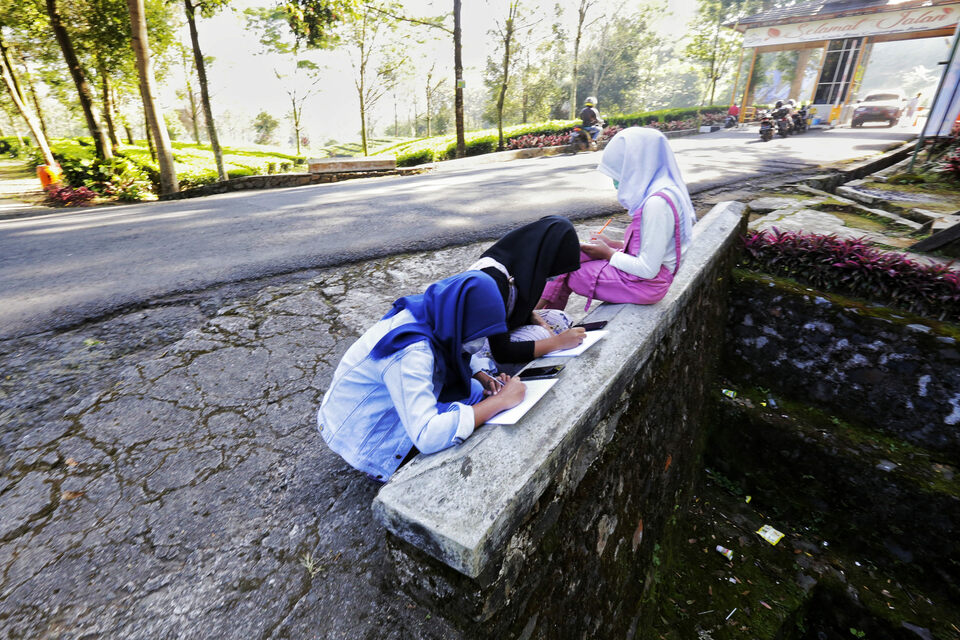
Indonesia is weighing a return to online school and a once-a-week work-from-home (WFH) policy, as officials look to curb fuel consumption. Chief Economic Affairs Minister Airlangga Hartarto said reducing commuting through remote work arrangements could cut national fuel use by up to 20%.
The move comes after global oil prices briefly surged above $100 per barrel amid escalating tensions in the Middle East, far exceeding Indonesia’s budget assumption of $70.
Energy and Mineral Resources Minister Bahlil Lahadalia said remote working is being considered as part of broader mitigation efforts to maintain national energy stability.
“We are conducting exercises and reviewing all possible alternatives that could benefit the country while encouraging more efficient fuel consumption,” Bahlil said at the Presidential Palace in Jakarta recently.
The proposal reflects a wider regional trend, with governments across Asia rolling out similar policies and conservation measures.
Vietnam
Vietnam, heavily reliant on imported energy, has been hit hard by rising oil prices. The Ministry of Industry and Trade has urged companies to adopt WFH arrangements to cut fuel use.
Fuel prices surged late last month, with gasoline rising 32%, diesel 56%, and kerosene 80%, according to data from Petrolimex. The spike triggered long queues at fuel stations in Hanoi.
Authorities have also warned businesses against hoarding fuel and are seeking alternative supply arrangements with key producers such as Kuwait, Qatar, and the United Arab Emirates.
To ease domestic price pressures, Vietnam has temporarily scrapped tariffs on fuel imports through the end of April.
Thailand
Thailand has implemented WFH policies across parts of the public sector as part of emergency measures to reduce energy consumption.
Government agencies have been instructed to shift to full remote operations where possible, while maintaining essential public services. Additional measures include setting air-conditioning temperatures at 26 degrees Celsius and encouraging less formal office attire to cut electricity use.
Authorities have also suspended most overseas study trips for officials, except for urgent international engagements.
Philippines
In the Philippines, the Department of Education has rolled out flexible work arrangements and energy-saving measures following directives from President Ferdinand R. Marcos Jr.
Under a government circular, agencies are required to reduce electricity and fuel consumption as energy prices rise due to geopolitical tensions. Measures include limiting in-person meetings, reducing official travel, and optimizing vehicle use.
A four-day in-office workweek has also been introduced for non-teaching staff, with Fridays designated for remote work. Schools continue in-person learning to avoid disrupting education.
Pakistan
Pakistan has moved early to implement similar policies, combining WFH mandates with broader austerity measures.
Prime Minister Shehbaz Sharif announced a two-week closure of schools, while universities shifted to online classes. About half of public-sector employees are working remotely, and the workweek has been reduced to four days for non-essential services.
The government has also cut fuel allowances by up to 50%, reduced the use of official vehicles, and curbed spending across ministries.
The measures follow a sharp rise in domestic fuel prices, underscoring Pakistan’s reliance on energy imports. Authorities say the steps are needed to stabilize the economy as global supply disruptions persist.
Tags: Keywords: as a preferred
Related Articles

Indonesian Stocks Sink Below 6,000 at Midday as Oil, Geopolitical Risks Weigh
Indonesian stocks fall 1.94% below 6,000 as Middle East tensions fuel risk aversion and technical indicators point to further losses.
‘It’s Trump Who Sets Oil Price’: Prabowo’s Brother
Neither the Indonesian government nor OPEC sets the oil price, Hashim Djojohadikusumo says.
Indonesian Stocks Flat as Investors Await September Inflation Data
Indonesian stocks were flat as investors awaited September inflation data amid concerns over rising oil prices and inflation.
Indonesia Keeps Work-From-Home Policies for Gov't Workers
Indonesia is keeping its work-from-home policies for government workers this month, citing its effects on digital transformation.
Finance Minister Warns Rising Oil Prices Could Shrink Fiscal Space for Economic Stimulus
Indonesia's finance minister warns rising oil prices from Middle East tensions could limit fiscal space for stimulus.
Jakarta Stocks Jump 1.7% on Optimism Over Proposed Financial Hub
Jakarta stocks jumped 1.7% as optimism over a proposed international financial center outweighed caution before BI's rate decision.
Indonesia Stocks Rise as Investors Eye BI Meeting, Oil Rally
Indonesia's stocks opened higher as stronger domestic sentiment and foreign inflows outweighed global jitters over oil prices and AI stocks.
Oil Prices Rise Nearly 10% Following Latest Fighting in the Middle East
Brent's price, though, remains well below its wartime peak of nearly $120 per barrel for its most actively traded contract.
JCI Rebounds Above 6,000 as Lower Oil Prices Lift Sentiment
JCI rebounded above 6,000 as lower oil prices and a stronger rupiah lifted sentiment despite renewed higher-for-longer Fed concerns.
JCI Opens Higher as Investors Eye US-Iran Ceasefire, MSCI Review
JCI opened higher as investors tracked the US-Iran ceasefire and awaited MSCI's final market review.The Latest

Jakarta Outranks Amsterdam in Global Public Transport Survey
Jakarta climbs two places to 15th in Time Out's 2026 public transport survey, with its governor citing better network integration.
MSCI Concerns, Tighter IDX Trading Rules Send Indonesian Stocks Down 5% by Midday
Indonesian stocks plunge 5% by midday as MSCI concerns weigh on sentiment and the IDX tightens its daily downside limit to 7%.
Jakarta Prepares 367 Health Facilities as Haze Reaches the Capital
Jakarta prepares 367 health facilities to treat potential haze-related illnesses after smoke from Sumatra and Kalimantan crosses the region.
Jakarta Expands Flood Prevention With New Water Storage Ponds
Jakarta opens two East Jakarta water storage ponds as it expands flood prevention efforts through reservoirs and river normalization.
Press Council Highlights AI Ethics at United Tractors Journalist Workshop
United Tractors’ 2026 journalist workshop highlights ethical AI use and the importance of trust and credibility in journalism.Most Popular
