



Indonesia to Increase Subsidized Cooking Oil Price Cap Amid Rising CPO Costs
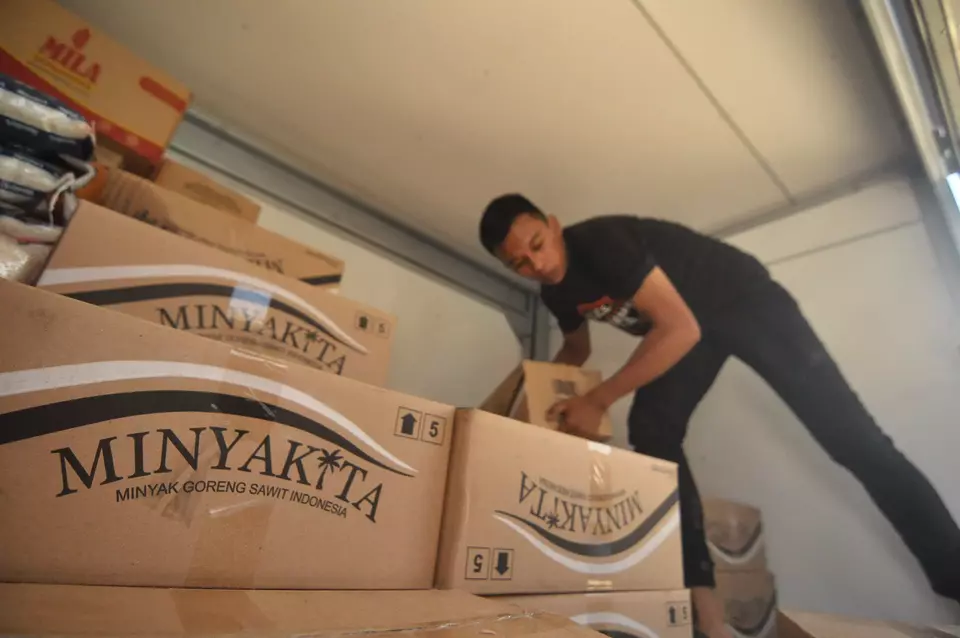
Jakarta. Indonesia plans to raise the government-set retail price ceiling for its subsidized cooking oil brand, Minyakita, as higher palm oil and packaging costs squeeze producers and distributors, Trade Minister Budi Santoso said on Thursday.
The move comes as global crude palm oil (CPO) prices are expected to remain high through the second half of 2026, supported by stronger biodiesel demand, high crude oil prices, and the risk of weather-related supply disruptions.
"Following the previous meeting at the Coordinating Ministry for Food Affairs, we have agreed to increase the highest retail price for Minyakita," Budi told reporters in Jakarta.
The government has yet to decide the size of the increase or its implementation date, saying it will first monitor palm oil price movements over the next one to two weeks.
According to Budi, production costs have risen significantly, partly because of higher plastic packaging prices linked to increases in global naphtha costs. Meanwhile, fluctuations in crude palm oil prices, the main raw material for cooking oil, have made a price adjustment increasingly difficult to avoid.
Benchmark CPO prices recently climbed to an average of around Rp 15,445 ($0.86) per kilogram before retreating to about Rp 14,000 per kilogram. Prices for fresh fruit bunches, the raw product harvested by palm growers, have also resumed an upward trend after a brief decline, he said.
"We will wait until prices become relatively stable before determining the new retail ceiling for Minyakita," Budi said. "If CPO prices normalize, we expect to make the adjustment within one to two weeks."
Minyakita, launched by the government to ensure affordable cooking oil supplies, has become a key instrument in controlling food inflation in the world's largest palm oil producer and exporter. The official retail price ceiling for Minyakita is currently set at Rp 15,700 per liter.
Tungkot Sipayung, executive director of the Palm Oil Strategic Policy Institute (Paspi), said international CPO prices could rise to as much as $1,500 per metric ton in the second half of the year, driven by elevated crude oil prices, Indonesia's planned rollout of mandatory B50 biodiesel blending, and the potential impact of El Nino weather conditions on production. As of Thursday, the benchmark Malaysian palm oil futures traded below MYR 4,650 ($1,157) per tonne, retreating from a recent rally as investors locked in profits after prices reached a two-week high.
"International CPO prices will depend on how long crude oil prices remain elevated," Tungkot said. "Even if geopolitical tensions ease, damaged oil infrastructure will take time to recover."
Indonesia plans to implement mandatory B50 biodiesel blending from July 1, increasing domestic consumption of palm oil feedstock and potentially tightening global supplies. At the same time, forecasts of El Nino conditions later this year could curb output in major producing countries, providing additional support for prices.
Tags: Keywords: as a preferred
Related Articles

CPO Export Data Gap Does Not Prove Rp 600 T Revenue Loss: Economist
CPO trade data gaps do not prove Rp 600 trillion in state revenue losses, economist Herry Gunawan says, urging further scrutiny.
Indonesia's Palm Oil Export Hike to Increase Minyakita Sales
Indonesia is expecting an increase in its mandatory domestic cooking oil sales following rising palm oil exports.
Indonesia Sets August CPO Reference Price at $996.52 per Ton
Indonesia lowered its August CPO reference price to $996.52 per ton, reducing the export duty on palm oil shipments.
PTPN IV PalmCo's 2025 Net Profit Jumps 90% to Rp 7.08 T
PTPN IV PalmCo posted a record Rp 7.08 trillion net profit in 2025, up 90.3%, driven by higher CPO output, prices and efficiency.
Prabowo Orders Higher Palm Oil Prices for Farmers Amid Global CPO Rally
Prabowo ordered palm oil mills to raise prices paid to farmers after FFB prices fell despite higher global CPO prices.
Indonesia to Increase Subsidized Cooking Oil Price Cap Amid Rising CPO Costs
Indonesia plans to raise Minyakita's price ceiling as higher palm oil and packaging costs squeeze producers.
Palm Oil Seen Climbing to $1,500 a Ton as B50 and El Nino Tighten Supply
Global palm oil prices could hit $1,500 a ton this year as Indonesia's B50 mandate, higher oil prices, and El Niño tighten supply.
Indonesia Warns 139 Palm Oil Mills Over Low Farmer Prices
The Agriculture Ministry has identified 139 palm oil mills suspected of buying fresh fruit bunches below regional benchmark prices.
Indonesian Prosecutors Probe Suspected Export Manipulation in Palm Oil Sector
Indonesia is investigating alleged transfer pricing and under-invoicing by major palm oil exporters amid tighter export controls.
Indonesia Finds Transfer Pricing at All Top 10 Palm Oil Exporters
Finance Minister Purbaya says a government review uncovered suspected transfer pricing practices causing major revenue losses.The Latest

Prabowo Calls Meeting on Forest Fires as Haze Reaches Jakarta, Singapore
Prabowo summons senior officials to discuss forest fires as smoke reaches Jakarta and Malaysia pushes for regional action.
Jakarta Outranks Amsterdam in Global Public Transport Survey
Jakarta climbs two places to 15th in Time Out's 2026 public transport survey, with its governor citing better network integration.
MSCI Concerns, Tighter IDX Trading Rules Send Indonesian Stocks Down 5% by Midday
Indonesian stocks plunge 5% by midday as MSCI concerns weigh on sentiment and the IDX tightens its daily downside limit to 7%.
Jakarta Prepares 367 Health Facilities as Haze Reaches the Capital
Jakarta prepares 367 health facilities to treat potential haze-related illnesses after smoke from Sumatra and Kalimantan crosses the region.
Jakarta Expands Flood Prevention With New Water Storage Ponds
Jakarta opens two East Jakarta water storage ponds as it expands flood prevention efforts through reservoirs and river normalization.Most Popular
