



Hotels in Yogyakarta Report Declining Occupancy Rates
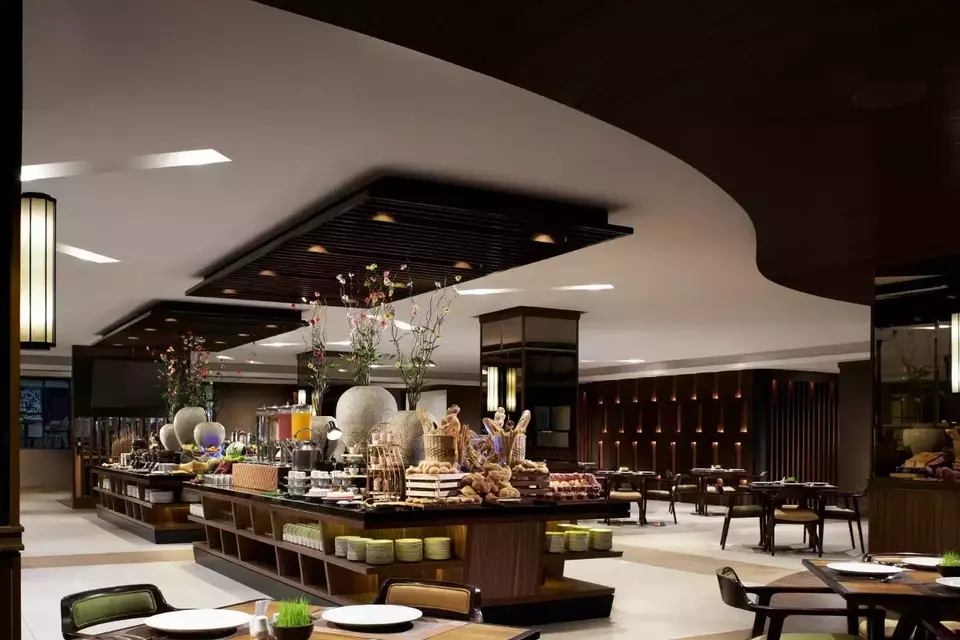
Yogyakarta. The central government’s budget efficiency policy is taking a toll on the hospitality industry in Yogyakarta, with several hotels reporting a sharp drop in guest numbers -- particularly from the meetings, incentives, convention, and exhibitions (MICE) segment, a key revenue source.
In response, many hotels have begun cutting costs internally by reducing freelance staff and choosing not to renew temporary contracts.
Deddy Pranowo Eryono, Chairman of the Yogyakarta chapter of the Indonesian Hotel and Restaurant Association (PHRI), said the decline in hotel occupancy has been ongoing since early 2025, largely due to fewer MICE activities organized by ministries, regional governments, and state-owned enterprises.
“MICE contributes nearly 40 percent of our market, especially during the low season from Monday to Thursday. The impact has been felt since January and worsened through April,” Deddy said.
The decline in MICE-related business has hit both occupancy rates and hotel revenues. Some establishments have been forced to reduce energy use, limit staff hours, and cut down on temporary and freelance employment. In some cases, even the working hours of permanent employees have been reduced.
“We haven’t reached the point of layoffs, but the situation is alarming. We're struggling to stay afloat. We urgently need tax relief, reduced electricity and water rates, and stronger tourism promotion in Yogyakarta,” Deddy added.
He urged the government to either revise the budget efficiency policy outlined in Presidential Instruction No. 1 of 2025 or offer support measures to help hotels weather the downturn.
Given the hospitality sector’s vital contribution to the regional economy, he stressed that the government must act to ensure its sustainability and prevent broader socio-economic repercussions.
The impact of the policy isn’t limited to Yogyakarta. Other tourist destinations such as Malang and Bali are also reporting declining hotel occupancy rates.
PHRI Secretary General Maulana Yusran noted that weakening public purchasing power is another factor behind the slowdown in hospitality, with fewer people opting to travel or stay in hotels, particularly in Bali.
Meanwhile, PHRI Malang Chairman Agoes Basuki said that President Prabowo Subianto’s cost-cutting directive has left many hotel operators on edge. Malang, a popular venue for official events from the municipal to ministerial level, has seen a sharp drop in government bookings.
He said complaints have already been submitted to both the executive and legislative branches in Malang and expressed hope that a resolution will be found soon.
As a major MICE destination, Malang's hotel industry heavily depends on policies that strike a balance between fiscal prudence and economic stimulation at the regional level.
Tags: Keywords: as a preferred
Related Articles

UGM Detects Hydrogen Gas in Sleman Mystery Fire Investigation
UGM researchers detected hydrogen gas in Sleman, suggesting it may be responsible for a series of mysterious fires.The Latest

UN Boss Wants to Fix Security Council as Indonesia Seeks Seat
Outgoing UN chief Guterres says the current permanent member setup at the Security Council fails to reflect today's realities.
Saudi Flagship Investment Conference Pushed to 2027 after Houthi Attacks
The annual Future Investment Initiative (FII), often dubbed "Davos in the Desert", was originally scheduled to take place from October 26-29
Government Sets Aside Rp 1.3 Quadrillion for Final-Quarter Spending
Government spending has reached Rp 2.66 quadrillion, equivalent to 69.2% of the full-year budget target of Rp 3.84 quadrillion.
Indonesia Probes 98 Corporate Wildfire Cases, Including Possible Foreign Links
Police investigate 98 corporate-related wildfire cases, including possible links to investors from neighboring countries.
Students Plan Jakarta Protests to Mark Two Years of Prabowo's Presidency
Police have advised the public to avoid areas around the House of Representatives complex, the National Monument and the State Palace.Most Popular
