



Govt Pressed to Reassure US Market as $2B Shrimp Exports Threatened by Contamination Scare
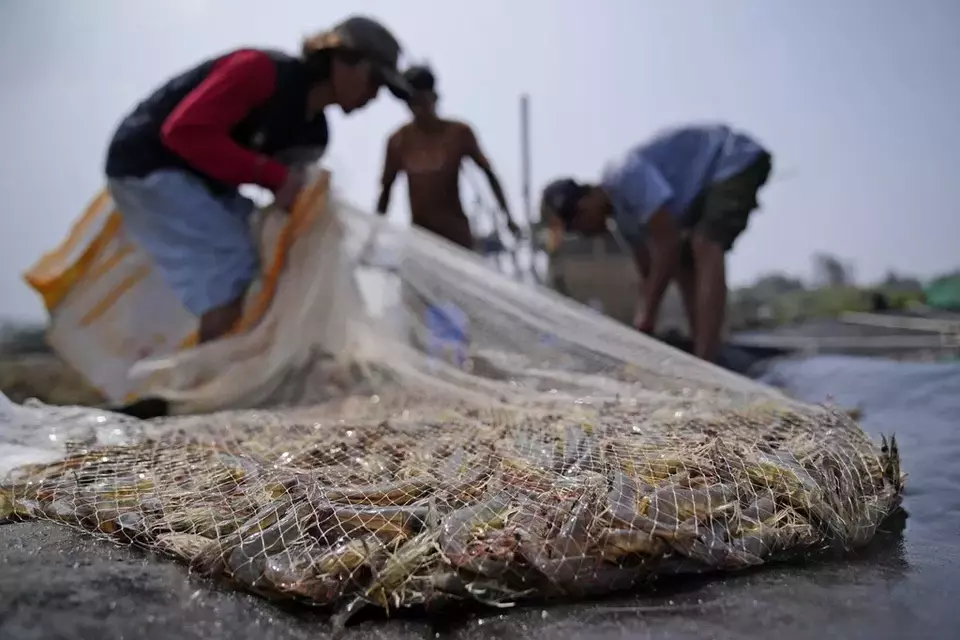
Jakarta. Indonesia’s shrimp industry is pressing the government to swiftly restore market confidence in the United States following concerns over the discovery of Cesium-137 (Cs-137) contamination in August. Business groups say a three-pronged approach, science, diplomacy, and business engagement, is urgently needed to prevent buyers from shifting to rival suppliers such as Ecuador, India, or Vietnam.
Shrimp is one of Indonesia’s top seafood exports, generating between $1.7 billion (Rp 28.2 trillion) and $2.2 billion (Rp 36.5 trillion) in 2024, or about 40 percent of the country’s total marine and fisheries exports. The United States accounts for nearly 64 percent of Indonesia’s shrimp exports, making it the sector’s most critical market.
“This case has shaken confidence because almost 70 percent of our shrimp exports go to the US. We need the government to reassure American buyers that our products are safe,” said Shrimp Club Indonesia (SCI) chairman Andi Tamsil on Thursday.
Authorities have underscored that the radioactive contamination was limited to a cold storage facility in Cikande, Serang, and not linked to shrimp farms. Investigations by the Nuclear Energy Regulatory Agency (Bapeten) confirmed that Indonesian shrimp tested clear of Cs-137. Experts also underlined that Cs-137 is not naturally occurring and can only come from industrial pollution.
Even so, the fallout has already hit local farmers. Farm-gate shrimp prices have dropped by 30 to 40 percent since the issue surfaced, Andi said, warning of mounting losses and reduced cold storage absorption. US buyers, he added, are still waiting for official clarity before placing new orders.
SCI has urged the government to communicate more aggressively with American importers, including broadcasting lab test results and highlighting that the contamination was confined to a single facility.
The Marine Affairs and Fisheries Ministry, together with Nuclear Energy Regulatory Agency (Bapeten) and the National Research and Innovation Agency (BRIN), has already conducted nationwide inspections across hatcheries, ponds, and processing facilities, with no trace of Cs-137 detected. To further reassure the public, the Ministry organized a “Shrimp Lunch” campaign in September, where more than 1,000 officials and farmers across Indonesia ate shrimp directly from local farms to demonstrate product safety.
Fisheries Minister Sakti Wahyu Trenggono reiterated that Indonesia’s quality control system is strict and consistent. “We are working closely with Bapeten to ensure consumer confidence in both domestic and export markets,” he said.
 as a preferred
Related Articles

Indonesia, Singapore Ink MoU on Nuclear Safety
The MoU encompasses bilateral cooperation on nuclear regulatory policy as well as emergency preparedness.
Indonesia Resumes Shrimp Exports to US, Ships 3,400 Containers
Indonesia resumes shrimp exports to the US, shipping 3,400 containers worth Rp11 trillion after tightening safety standards.The Latest

Prabowo Calls Meeting on Forest Fires as Haze Reaches Jakarta, Singapore
Prabowo summons senior officials to discuss forest fires as smoke reaches Jakarta and Malaysia pushes for regional action.
Jakarta Outranks Amsterdam in Global Public Transport Survey
Jakarta climbs two places to 15th in Time Out's 2026 public transport survey, with its governor citing better network integration.
MSCI Concerns, Tighter IDX Trading Rules Send Indonesian Stocks Down 5% by Midday
Indonesian stocks plunge 5% by midday as MSCI concerns weigh on sentiment and the IDX tightens its daily downside limit to 7%.
Jakarta Prepares 367 Health Facilities as Haze Reaches the Capital
Jakarta prepares 367 health facilities to treat potential haze-related illnesses after smoke from Sumatra and Kalimantan crosses the region.
Jakarta Expands Flood Prevention With New Water Storage Ponds
Jakarta opens two East Jakarta water storage ponds as it expands flood prevention efforts through reservoirs and river normalization.Most Popular
