



Energy Council Member: Indonesia’s 23-Day Fuel Reserve Is Crisis Buffer, Not Countdown
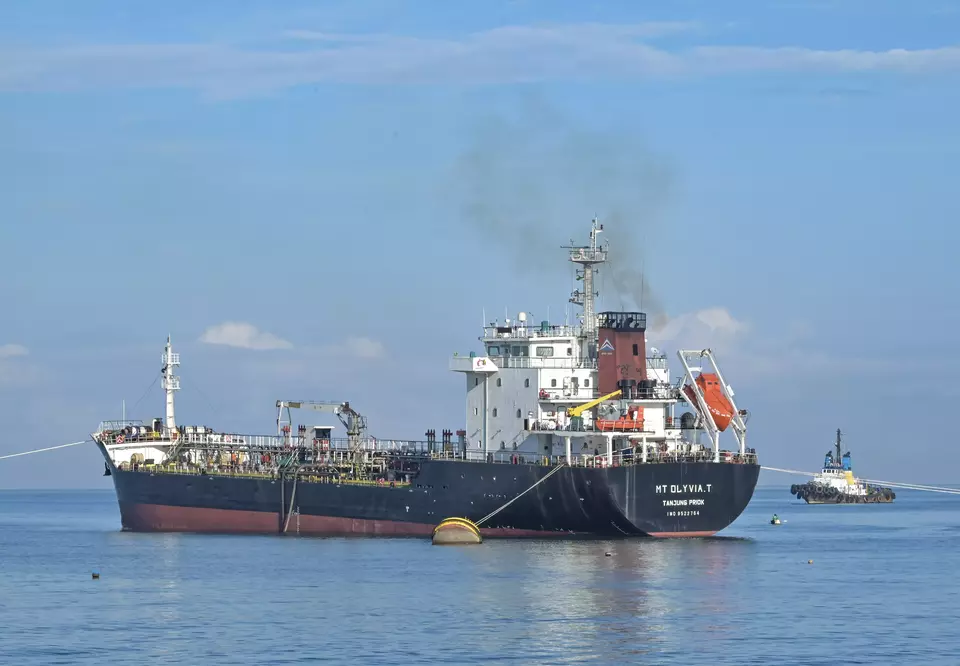
Jakarta. Indonesia’s fuel reserve of around 21–23 days should not be interpreted as the country having less than a month of supply starting today. Instead, the figure reflects how long Indonesia could continue supplying fuel if an energy disruption or crisis were to occur, according to Satya Widya Yudha.
The member of the National Energy Council of Indonesia said the reserve coverage indicates the time Indonesia would still be able to maintain fuel supply if a crisis disrupts normal distribution, rather than a countdown of existing stock.
“Coverage days should not be calculated as fuel lasting from today until 24 days ahead,” Satya said in an interview. “What it means is that if a crisis occurs, Indonesia can still continue supplying fuel for around 23 to 24 days.”
He said the clarification is important because the figure has often been misunderstood by the public.
“If, for example, a crisis happens today and normal supply is disrupted, we would still have around 23 or 24 days to maintain supply,” he said.
The clarification comes as geopolitical tensions in the Middle East raise concerns over global oil supply and energy security.
Indonesia still relies heavily on fossil fuels to support its economy. The country consumes about 1.7 million barrels of oil per day, while domestic production reaches only around 860,000 barrels, meaning nearly half of national demand must be met through imports.
Satya said Indonesia’s imports are diversified and not entirely dependent on regions currently affected by conflict. Shipments passing through the Strait of Hormuz account for around 25.36 million barrels, or about 19% of Indonesia’s total oil imports of roughly 135 million barrels.
Indonesia also imports crude from countries such as Nigeria, Angola, Brazil, and Australia, which are relatively unaffected by the current geopolitical tensions.
Because of this diversification, the government is exploring ways to substitute crude imports currently sourced from the Middle East, particularly Arabian Light crude from Saudi Arabia, with supplies from other markets if necessary.
“We are studying options to substitute imports that currently come from conflict-prone regions with crude of similar specifications from other sources,” Satya said, adding that the United States has been considered as one possible alternative supplier.
He also warned that rising global oil prices could significantly affect the state budget.
“If oil prices increase by $1 per barrel, state revenue could rise by around Rp 3.5 trillion, but government spending would increase by about Rp 10 trillion,” Satya said. “That means we would face a deficit impact of roughly Rp 7 trillion for every $1 increase.”
To strengthen energy resilience, the government is planning to expand fuel storage capacity. Indonesia’s current reserve coverage of around 21–23 days nationally, with some fuel types reaching about 24 days, is largely limited by storage infrastructure.
The government, through the Energy and Mineral Resources Ministry, plans to build additional storage so that national reserves could eventually cover up to three months of consumption.
“That would give Indonesia a much longer buffer if global supply disruptions occur,” Satya said.
Beyond increasing reserves, he said Indonesia must also reduce reliance on imported fossil fuels through long-term measures such as expanding the B40 biodiesel program, encouraging the use of electric and gas-powered vehicles, and improving energy efficiency.
“We also need to change consumption patterns, including using public transportation and improving energy efficiency,” he said. “If daily fuel consumption can be reduced, it will help strengthen Indonesia’s energy security.”
Tags: Keywords: as a preferred
Related Articles

Rupiah Edges Toward Rp 18,000 as Riyadh Attacks Rattle Markets
Rupiah weakens to Rp 17,913 per dollar as Fed rate hike fears, Middle East tensions and MSCI uncertainty weigh on sentiment.
Oil Supply Fears, US Inflation Data Drag Indonesian Stocks Down 2.59%
Indonesian stocks plunged 2.59% as Middle East tensions fueled oil supply fears and investors awaited US inflation data.
Indonesian Stocks Sink Below 6,000 at Midday as Oil, Geopolitical Risks Weigh
Indonesian stocks fall 1.94% below 6,000 as Middle East tensions fuel risk aversion and technical indicators point to further losses.
Iran Stands Firm on Hormuz Plan after US Rejection
Tehran demands the release of frozen Iranian assets, the lifting of sanctions on Iranian oil and an end to the US naval blockade.
Indonesia Stocks Slip After Late Sell-Off Wipes Out Intraday Gains
Indonesia's JCI fell 0.3% after a late-session sell-off erased gains built earlier in the day as investors weighed domestic and global cues.
Indonesia Stocks Buck Regional Selloff on Healthy Debt Outlook
Indonesia stocks rose 1.1%, bucking regional losses as investors welcomed healthy external debt data despite global tensions.
Trump Backs Away From Plan to Charge Fees in the Strait of Hormuz
Iran responded with attacks targeting Bahrain, Jordan, and three tankers that traveled through the strait.
Indonesia’s Last Hormuz-Trapped Tanker to Arrive Home July 23
Pertamina Pride, the last Indonesian ship stuck in the Strait of Hormuz, finally exited the narrow waterway.
Jakarta Stocks Drop Nearly 1% as Geopolitical Fears Overshadow MSCI Hopes
JCI fell 0.98% as Middle East tensions and investor caution ahead of MSCI's review weighed on sentiment.
Indonesia Backs Trump’s Iran Deal, Calls It Economic Mood Booster
Indonesia says Trump's deal with Iran has caused crude prices to fall, possibly sparking a positive sentiment for the economy.The Latest

Chandra Asri Group Receives Trade Finance Excellence Award, Reinforcing Its Role in Indonesia’s Industrial Development
Chandra Asri Group receives the Trade Finance Excellence Award at CIMB Niaga Business Summit 2026.
AEON MALL Deltamas Brings 11 Sports and Creative Competitions to AEONLYMPIC 2026
AEON MALL Deltamas hosts AEONLYMPIC 2026, featuring 11 sports and creative competitions, with more than 3,100 participants.
Indonesian Stocks Extend Losses for Third Day, Fall 3.64% to 4,996
Indonesian stocks fell 3.64% on Monday, extending losses for a third straight session amid MSCI concerns and tighter trading limits.
Prabowo Calls Meeting on Forest Fires as Haze Reaches Jakarta, Singapore
Prabowo summons senior officials to discuss forest fires as smoke reaches Jakarta and Malaysia pushes for regional action.
Jakarta Outranks Amsterdam in Global Public Transport Survey
Jakarta climbs two places to 15th in Time Out's 2026 public transport survey, with its governor citing better network integration.Most Popular
