



Bank Indonesia Cuts Benchmark Rate by 25 Basis Points to 5.5 Pct
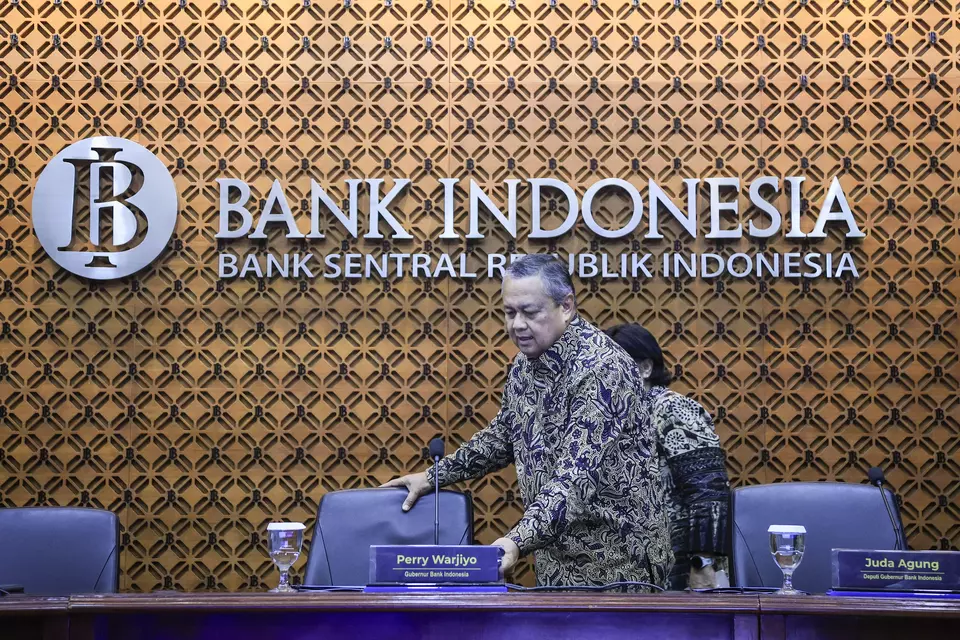
Jakarta. Bank Indonesia cut its benchmark interest rate by 25 basis points to 5.5 percent during its Board of Governors Meeting held on May 20–21, marking its first rate cut since January. The central bank also cut the Deposit Facility rate to 4.75 percent and the Lending Facility rate to 6.25 percent.
Governor Perry Warjiyo said the decision is aligned with the outlook for low and stable inflation within the 2.5 percent ±1 percent target band for both 2025 and 2026.
"Bank Indonesia will continue to calibrate monetary policy to ensure inflation remains on target and the exchange rate stays stable, while closely monitoring space to further support economic growth," Perry said during a virtual press conference on Wednesday.
The move follows a four-month hold at 5.75 percent. BI last reduced its key rate in January 2025, from 6 percent to 5.75 percent.
Bank Mandiri Chief Economist Andry Asmoro had earlier forecast a 25-basis-point cut in BI’s May meeting, citing space for easing if the rupiah remained relatively stable.
He said that while the rupiah has faced some pressure, the volatility is milder than in the first quarter of the year, offering BI room to ease policy without risking currency instability.
Tags: Keywords: as a preferred
Related Articles

Jakarta Stocks Surge 1.68% as Asian Rally Lifts Risk Appetite
Jakarta stocks surged 1.68% Thursday, tracking a broad Asian rally as falling US Treasury yields revived risk appetite.
JCI Climbs After BI Keeps Rate at 5.75%
Indonesian stocks rose 0.83% at the open as investors welcomed Bank Indonesia’s decision to keep its benchmark rate unchanged.
Bank Indonesia Says Digital Money Won’t Replace Cash
Bank Indonesia says digital payments will complement rather than replace cash as Indonesia accelerates its shift to digital transactions.
Indonesia to Have Renminbi Clearing Bank by Q4 2026
Indonesia plans to have two renminbi clearing banks, with one of them likely to be operated by a state-run bank.
BI Keeps Rate at 5.75% in August
Bank Indonesia keeps its benchmark rate at 5.75% in August, prioritizing rupiah stability and inflation control amid global volatility.
Rupiah Weakens to Rp 17,862 as Indonesia’s External Debt Hits $453.4B
Rupiah weakened to Rp17,862 as Indonesia’s external debt rose 4.4% to $453.4 billion in the second quarter.
Indonesian Stocks Surge 1.7% as MSCI Review, BI Leadership in Focus
Indonesian stocks surged 1.69% as investors weighed BI leadership, MSCI reforms and global inflation risks.
Prabowo Picks Destry Damayanti as Sole Candidate for BI Governor
Destry's rise to being the official Bank Indonesia governor hinges on lawmakers' approval.
Indonesia's QRIS Digital Payments Surge 100% in H1 2026
Indonesia's QRIS payment transactions doubled to 12.55 billion in H1 2026, with transaction value reaching Rp600.69 trillion.
Who Will Lead Bank Indonesia? Markets Put Independence Above Politics
Markets are watching Indonesia's BI succession, with investors prioritizing credibility and central bank independence over politics.The Latest

Court Hears of $5,000 Fee for Expedited Hajj Slots in 2023
A former Religious Affairs Ministry staffer testified that 181 pilgrims paid $5,000 each for expedited hajj departures in 2023.
Five Journalists Reported Missing While Covering Anak Krakatau Eruption
Five journalists and two boat crew members are missing after losing contact while covering the Anak Krakatau eruption off Banten.
Trump Tariffs Cripple EU Firms’ Confidence in ASEAN
As many as 81% of the surveyed European businesses admit that the US tariffs had weakened their confidence in ASEAN.
Rupiah Strengthens to Rp17,632 on Reserve Boost
The rupiah rose 0.05% to Rp17,632 as higher foreign exchange reserves offset geopolitical risks and US inflation concerns.
Stocks Climb 1% as Indonesia’s Reserves, Airport Operations Recover
Indonesian stocks rose 1% as stronger foreign reserves and airport reopenings lifted domestic market sentiment.Most Popular
