



Apindo Maps Worst-Case Scenarios from US Tariffs
Jakarta. The Indonesian Employers Association (Apindo) warned that US plans to impose a 32 percent tariff on Indonesian goods could trigger mass layoffs, rupiah volatility, and other major economic challenges if Jakarta fails to secure a deal with Washington.
Ajib Hamdani, an economic policy analyst at Apindo, said the business group has mapped out worst-case scenarios should the tariffs take effect in August 1, identifying four key risks for Southeast Asia’s largest economy.
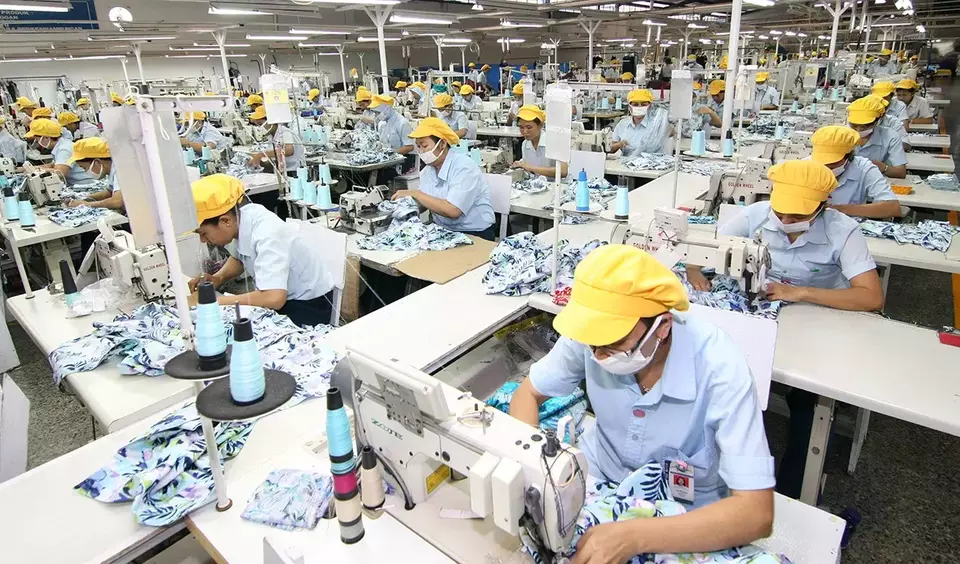
“The worst potential impact of the US tariff policy is the threat of mass layoffs, especially in labor-intensive sectors, as most of Indonesia’s exports to the US come from these industries,” Ajib said in an interview with Beritasatu TV on Monday.
Higher tariffs could dampen demand for Indonesian products among US buyers, forcing factories to scale back production and cut jobs, he said.
“When the export balance contracts, it will lead to further problems for Indonesia, such as the potential for layoffs,” Ajib added.
The Indonesian Textile Association (API) warned that 50,000 to 70,000 workers could lose their jobs if the tariffs remain in place.
The second concern is a potential flood of Chinese goods into Indonesia. With the US imposing tariffs of up to 100 percent on Chinese products, China may redirect its exports to Indonesia, one of the world’s largest consumer markets. This could be worsened by potential dumping practices, with China selling products overseas at lower prices, putting local industries at risk.
“China is a trendsetter in the industrial and manufacturing sectors, with competitive advantages such as cheap energy, strong infrastructure, business clustering, and highly productive labor,” Ajib said.
The third risk is potential volatility in the rupiah against the U.S. dollar if Indonesia’s trade balance worsens due to the tariffs.
“The government has projected the rupiah at around Rp16,000 per dollar for 2025, but if the value keeps escalating, it will become a problem,” Ajib said.
The fourth concern is a further decline in Indonesia’s manufacturing Purchasing Managers’ Index (PMI). Ajib said Indonesia has experienced deindustrialization over the past decade due to a combination of domestic and global factors, which the new tariffs could aggravate.
According to S&P Global, Indonesia’s manufacturing PMI dropped to 46.9 in June 2025, down from 47.4 in May, marking continued contraction for Southeast Asia’s largest economy. A PMI reading below 50 indicates a decline in manufacturing activity.
Despite the uncertainty around the negotiations, Ajib urged Indonesia to use this moment to strengthen bilateral and multilateral partnerships with other countries, including ASEAN, BRICS, and the European Union, to diversify markets and support economic resilience.
Tags: Keywords: as a preferred
Related Articles

Apindo Warns Labor Bill Could Stall Investment, Job Creation
Apindo warns Indonesia’s proposed labor bill could deter investment and business expansion, slowing formal job creation.
Indonesia’s US Trade Surplus Defies Tariffs, but Economists Warn Risks Remain
Indonesia posted a $12.47 billion surplus with the US in January-August 2026, up from $12.26 billion a year earlier.
Businesses Back Mandatory Halal Rules, Warn of Rising Compliance Costs
Businesses support Indonesia’s mandatory halal rules but urge simpler certification and lower compliance costs to protect MSMEs and consumer
US Defends Tariffs on ASEAN Amid $327.4 Billion Deficit
US says it wants to "bring reciprocity and balance" to its ASEAN trade ties amid double-digit tariff hikes.
Suahasil Told to Avoid Business Cost Hikes, Tax Refund Delays
Businesses have laid out their wishlist for the newly appointed Finance Minister Suahasil Nazara.
BRICS Indirectly Hits Out at Trump’s Tariffs, WTO Paralysis
BRICS doesn't want to see unilateral tariffs and a paralyzed WTO court system, all of which are linked to the US.
Trump Tariffs Cripple EU Firms’ Confidence in ASEAN
As many as 81% of the surveyed European businesses admit that the US tariffs had weakened their confidence in ASEAN.
'We Don't Export Plastic to US': Indonesia on ‘False’ Transshipment Scam Claims
Indonesia denies enabling Chinese goods, namely plastic packaging, avoid Trump's tariffs.
Indonesia Denies US Accusation of Chinese Transshipment Scam
Senior minister Airlangga Hartarto says "Indonesia has never done transshipment", when asked about the US report.
US Accuses Indonesia of Helping China Dodge Trump Tariffs
The US accuses Indonesia and dozens of other countries of being part of "China's shadow transshipment network".The Latest

Prabowo Calls Meeting on Forest Fires as Haze Reaches Jakarta, Singapore
Prabowo summons senior officials to discuss forest fires as smoke reaches Jakarta and Malaysia pushes for regional action.
Jakarta Outranks Amsterdam in Global Public Transport Survey
Jakarta climbs two places to 15th in Time Out's 2026 public transport survey, with its governor citing better network integration.
MSCI Concerns, Tighter IDX Trading Rules Send Indonesian Stocks Down 5% by Midday
Indonesian stocks plunge 5% by midday as MSCI concerns weigh on sentiment and the IDX tightens its daily downside limit to 7%.
Jakarta Prepares 367 Health Facilities as Haze Reaches the Capital
Jakarta prepares 367 health facilities to treat potential haze-related illnesses after smoke from Sumatra and Kalimantan crosses the region.
Jakarta Expands Flood Prevention With New Water Storage Ponds
Jakarta opens two East Jakarta water storage ponds as it expands flood prevention efforts through reservoirs and river normalization.Most Popular
