



Indonesia Presents Its Migrant Worker Protection Strategies to UN Committee
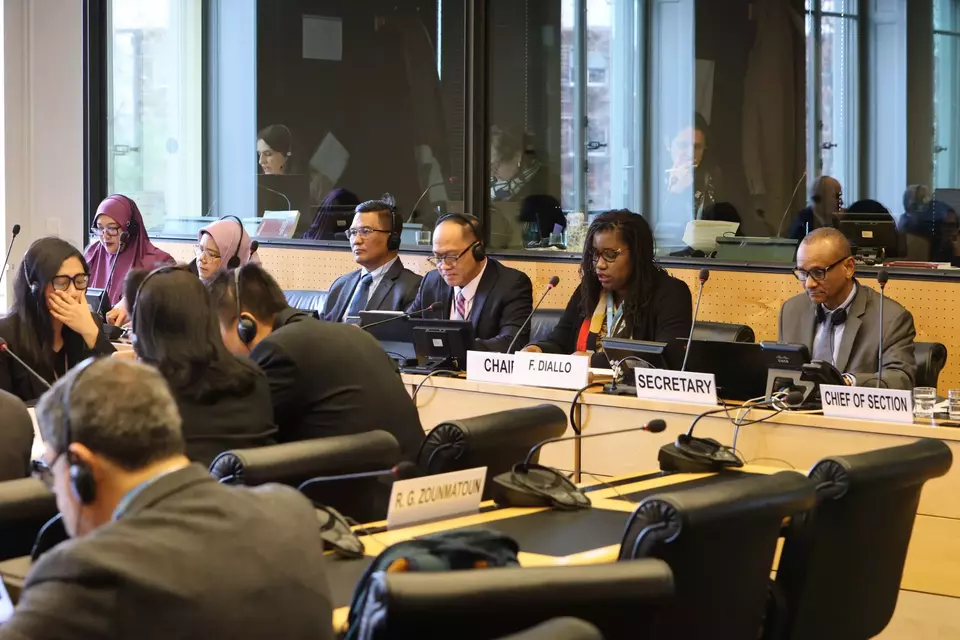
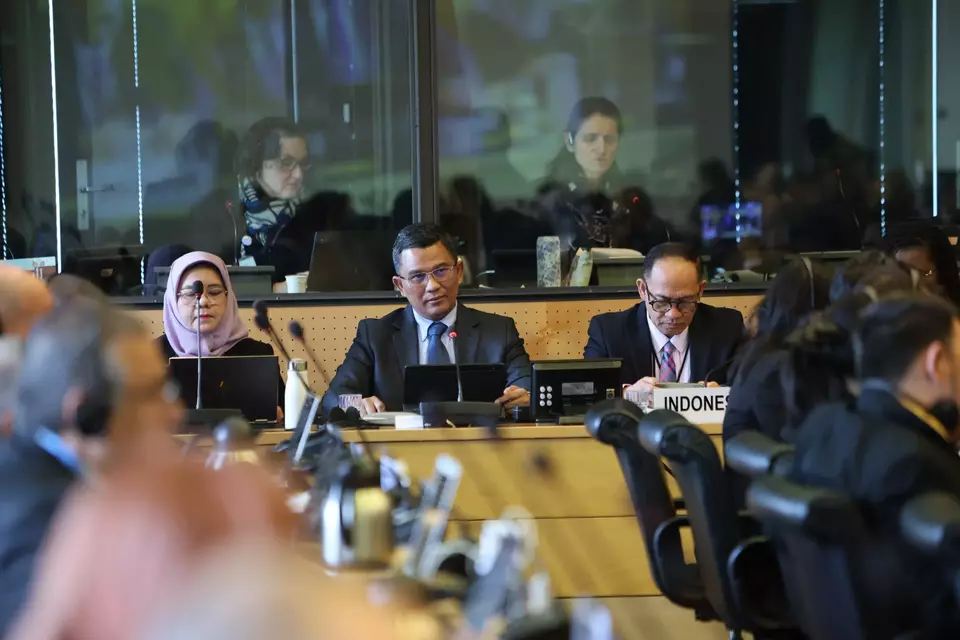
Jakarta. Indonesia recently presented what it had done to protect its migrant workers in a dialogue with the Geneva-based UN Committee on the Rights of Migrant Workers.
Rinardi, the director general for protection at the Migrant Workers' Protection Ministry, led Indonesia's delegation. He told the forum that Indonesia had aligned its national policies with the principles of the Convention.
"Indonesia has made significant progress in strengthening the migrant worker protection framework. Law No. 18 of 2017 on Migrant Workers is a major milestone. It regulates protection from pre-departure to reintegration [of our workers] upon return," Rinardi said.
Indonesia is also currently ramping up its recruitment supervision through an integrated system in a bid to ensure the safety of migrant workers.
"With this system, we have prevented 5,913 people from departing the country via unofficial channels throughout 2025. This is part of our efforts to ensure safe, orderly, and regular migration," he said.
Rinardi said that Indonesia had also imposed sanction on nine recruitment agencies. The government had also the revoked the licenses of two others found to have violated regulations.
"We have recovered more than Rp 2 billion [$119,835] for the state and the victims," he revealed.
Indonesia also warned about a rampant online job frauds that have caught many of its citizens who wish to work abroad. The ministry has repatriated 1,324 victims of human trafficking from Cambodia, Myanmar, and Laos since 2024. Plans are also underway to expand the access for migrant workers' complaint mechanism.
"From 2017 to March 2025, we received more than 20,000 complaints, and 81 percent of them were resolved through various channels, including the national call center and WhatsApp," he said.
Migrant workers returning to Indonesia also receive government support in the form of identity verification, transport, to psychosocial support and housing subsidies. The government also provides schools and community learning centers for the children of migrant workers. For children living in Indonesia while their parents work abroad, support is provided through foster families or social programs with regular supervision.
The Southeast Asian country is also ramping up its protection of women migrant workers.
"We include gender and safety modules in pre-departure training, provide a women-friendly chatbot, and establish a resource center that provides legal and psychosocial assistance for victims of gender-based violence," Rinardi said.
 as a preferred
Related Articles

Government Urges Central Kalimantan to Prepare Workers for Global Job Market
Indonesia urges Central Kalimantan to strengthen worker skills to meet growing demand in overseas labor markets.
Government Stands With Migrant Workers’ Children in Malaysia
Indonesia expands protection for migrant workers’ children in Malaysia through education aid and stronger citizenship and legal support.The Latest

Prabowo Calls Meeting on Forest Fires as Haze Reaches Jakarta, Singapore
Prabowo summons senior officials to discuss forest fires as smoke reaches Jakarta and Malaysia pushes for regional action.
Jakarta Outranks Amsterdam in Global Public Transport Survey
Jakarta climbs two places to 15th in Time Out's 2026 public transport survey, with its governor citing better network integration.
MSCI Concerns, Tighter IDX Trading Rules Send Indonesian Stocks Down 5% by Midday
Indonesian stocks plunge 5% by midday as MSCI concerns weigh on sentiment and the IDX tightens its daily downside limit to 7%.
Jakarta Prepares 367 Health Facilities as Haze Reaches the Capital
Jakarta prepares 367 health facilities to treat potential haze-related illnesses after smoke from Sumatra and Kalimantan crosses the region.
Jakarta Expands Flood Prevention With New Water Storage Ponds
Jakarta opens two East Jakarta water storage ponds as it expands flood prevention efforts through reservoirs and river normalization.Most Popular
